
Korea by Season: Weather, Holidays and When to Go
Plan your Korea trip by season: monthly weather averages, holidays that close shops and fill trains, month-by-month guides, cherry blossoms and autumn leaves.
 Korea Weather by Month: Seoul, Busan and Jeju Averages (2026)Official monthly averages for Seoul, Busan and Jeju from the Korea Meteorological Administration, with what to wear each season and public holidays.
 Korea in October 2026: Autumn Foliage, Holidays and Weather
 Korea in November 2026: Weather, Late Foliage and What to Wear
 Korea Autumn Foliage 2026: When and Where to See the Leaves
 Korea in December 2026: Weather, Christmas and What to Pack
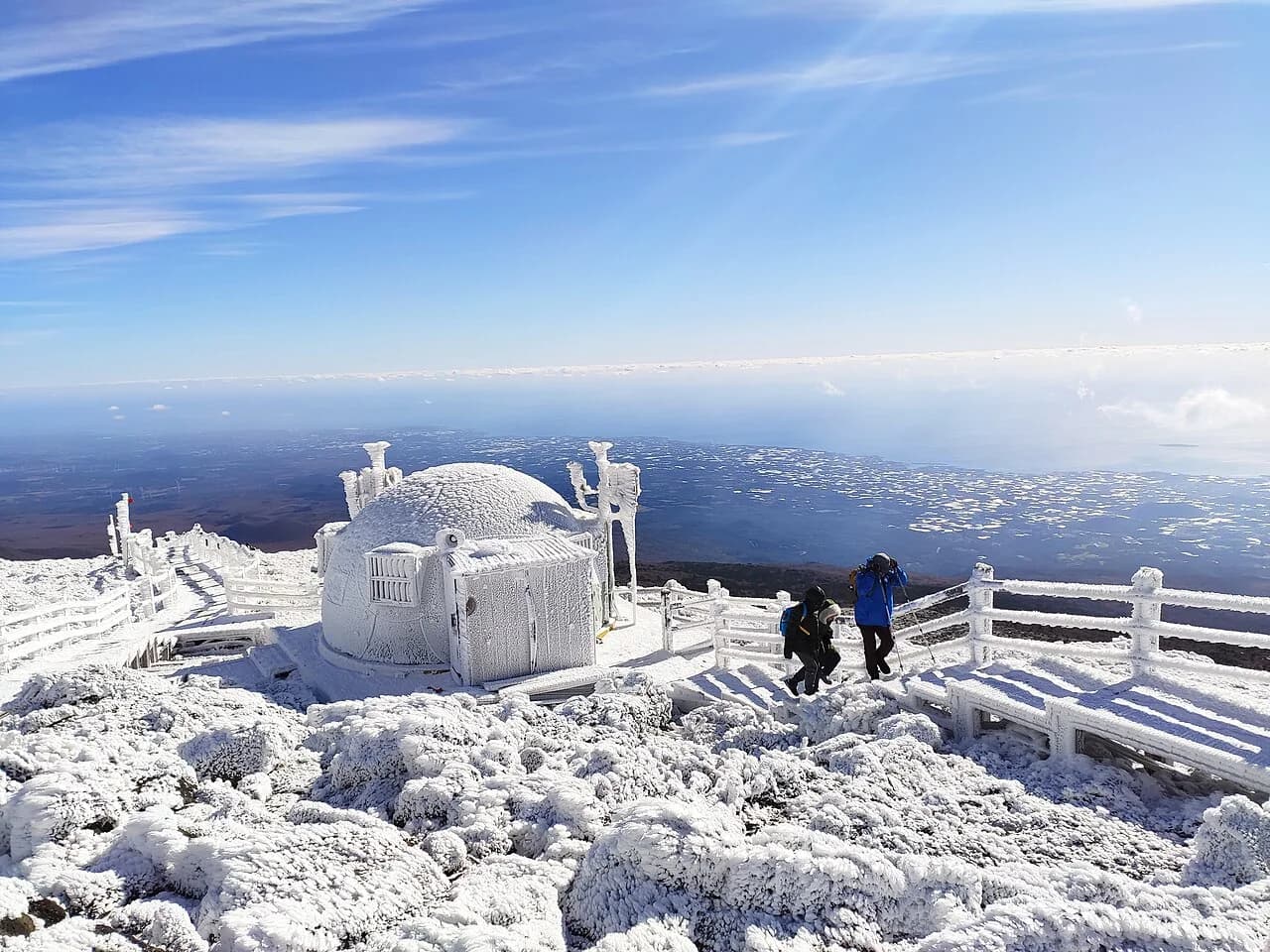 Korea in January 2027: Weather, Ice Festivals and What to Wear
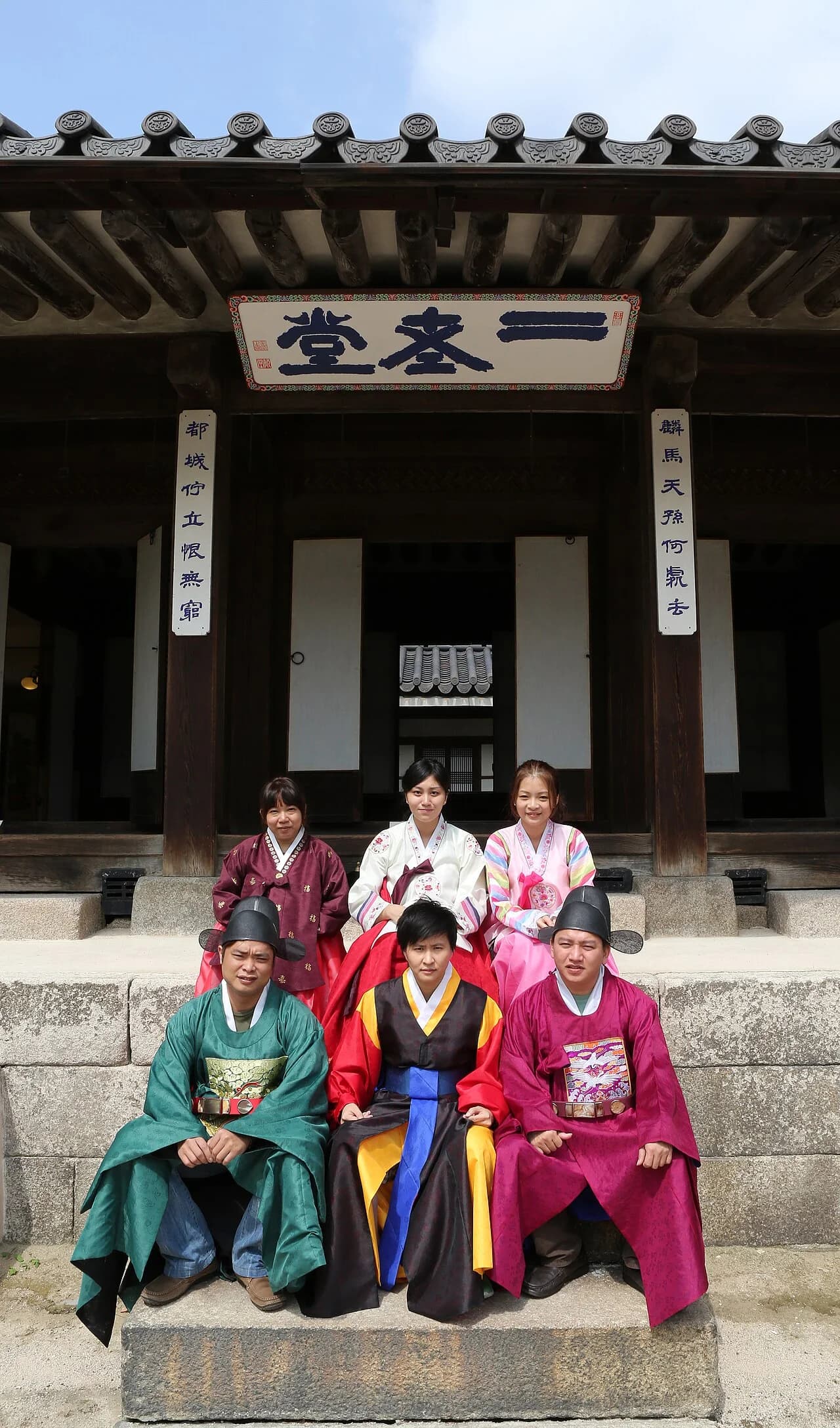 Korea in February 2027: Seollal Dates, Closures and Weather
 Korea in March 2027: Weather, Samiljeol and Early Spring Blooms
 Korea in April 2027: Cherry Blossoms, Weather and What to Pack
 Korea Cherry Blossom Season: When and Where to Go (2027 Plan)
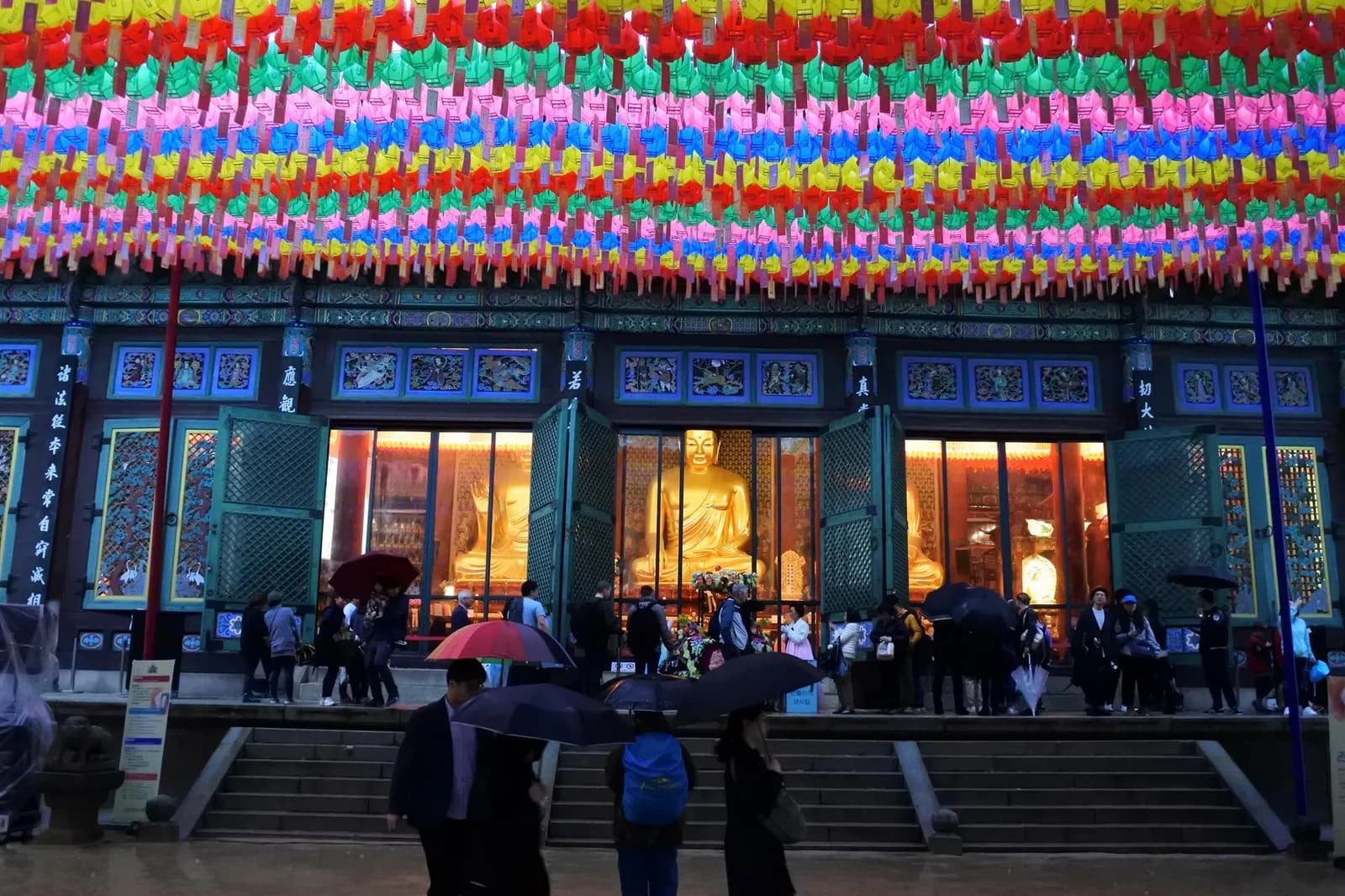 Korea in May 2027: Weather, Holidays and Lotus Lanterns
 Korea in June 2027: Weather, Rainy Season and Holidays
 Korea in July 2027: Rainy Season, Heat and the Mud Festival
 Korea in August 2027: Heat, Typhoons and Liberation Day
 Korea in September 2027: Chuseok, Weather and Typhoons
This hub helps you choose dates and pack for them. It uses the Korea Meteorological Administration's official climate normals for weather and the Korea Astronomy and Space Science Institute's calendar for public holidays. Month guides go further: what to wear, what closes, which festivals have confirmed dates, and how long the days are.
What this section covers
- Weather by month. Average highs, lows and rain for Seoul, Busan and Jeju, from KMA normals for 1991–2020 (KMA).
- Holidays. Dates of 설날SeollalLunar New Year, 추석ChuseokHarvest festival and other public holidays, and what changes on those days.
- Month guides. All 12 months are covered, plus guides to autumn foliage and the cherry blossom season.
- Crowds and prices. The Korea Tourism Organization names July to August and December to January as peak seasons, when flights cost more (VisitKorea).
The three tasks to do first
- Check the weather for your month. Compare the average high and low, not just the average, and pack layers.
- Check holidays during your dates. Seollal 2027 runs from Saturday 6 February to Tuesday 9 February, including the substitute holiday (KASI). Trains and roads are busy before and after. See Korea in February.
- Read the month guide. October and November cover autumn leaves and festivals, December covers Christmas and year-end, January covers the coldest weeks and ice festivals, February covers Seollal closures, March and April cover early spring and cherry blossoms, and May, June, July, August and September cover holidays, the rainy season, heat, typhoons and Chuseok.
The seasons in brief
- Spring (March to May): cool mornings, mild afternoons, more rain in May.
- Summer (June to August): hot and humid. The rainy season, 장마jangmaRainy season, normally reaches Seoul around 25 June (KMA).
- Autumn (September to November): clear and dry; coats by November in Seoul.
- Winter (December to February): cold and dry. Seoul's average low is below freezing in all three months.
Winter days are short. On 1 January 2027 the sun rises in Seoul at 07:47 and sets at 17:24 (KASI). Plan outdoor sights for the middle of the day and keep museums, markets and cafés for the evening.
Start here
- Open weather by month and note the range for your dates.
- Check the holiday table on the same page.
- Read the guide for your month.
- If you plan to travel between cities on a holiday, read KTX and trains and book early.
Related guides
Korea Weather by Month: Seoul, Busan and Jeju Averages (2026)
Official monthly averages for Seoul, Busan and Jeju from the Korea Meteorological Administration, with what to wear each season and public holidays.
Korea in December 2026: Weather, Christmas and What to Pack
December in Korea: official average temperatures for Seoul, Busan and Jeju, what to wear, Christmas and New Year closures, daylight hours and crowds.
Korea in February 2027: Seollal Dates, Closures and Weather
February in Korea: Seollal 2027 runs 6–9 February with a substitute holiday. What closes, how travel is affected, official weather averages and daylight.