

The 5-Day Shape: Clustering Neighborhoods to Cut Travel Time
The itinerary below is built on one rule: group stops by neighborhood, then move through each day mostly on foot, saving the subway for the trip between clusters. Following a map app's "optimized" route between individually plotted attractions instead often means crisscrossing the city and riding the subway five or six times in a single day — technically efficient point to point, exhausting in practice.
Five days breaks down as: one day for the historic palace core, one for youth culture and central shopping, one for Gangnam's modern shopping and a beauty appointment, one for a day trip outside the city, and one for last-minute errands before your flight. Treat the day order below as a template to reshuffle around your actual arrival day and flight time, not a fixed sequence.
Day 1: Gyeongbokgung, Bukchon, and Seochon on Foot
Start at Gyeongbokgung Palace, reachable via Gyeongbokgung Station on Line 3, using Exit 5 for the most direct approach to the main gate. Budget at least two hours if you want to see the palace grounds properly, and check the last admission time before you go — it's earlier than the closing time.
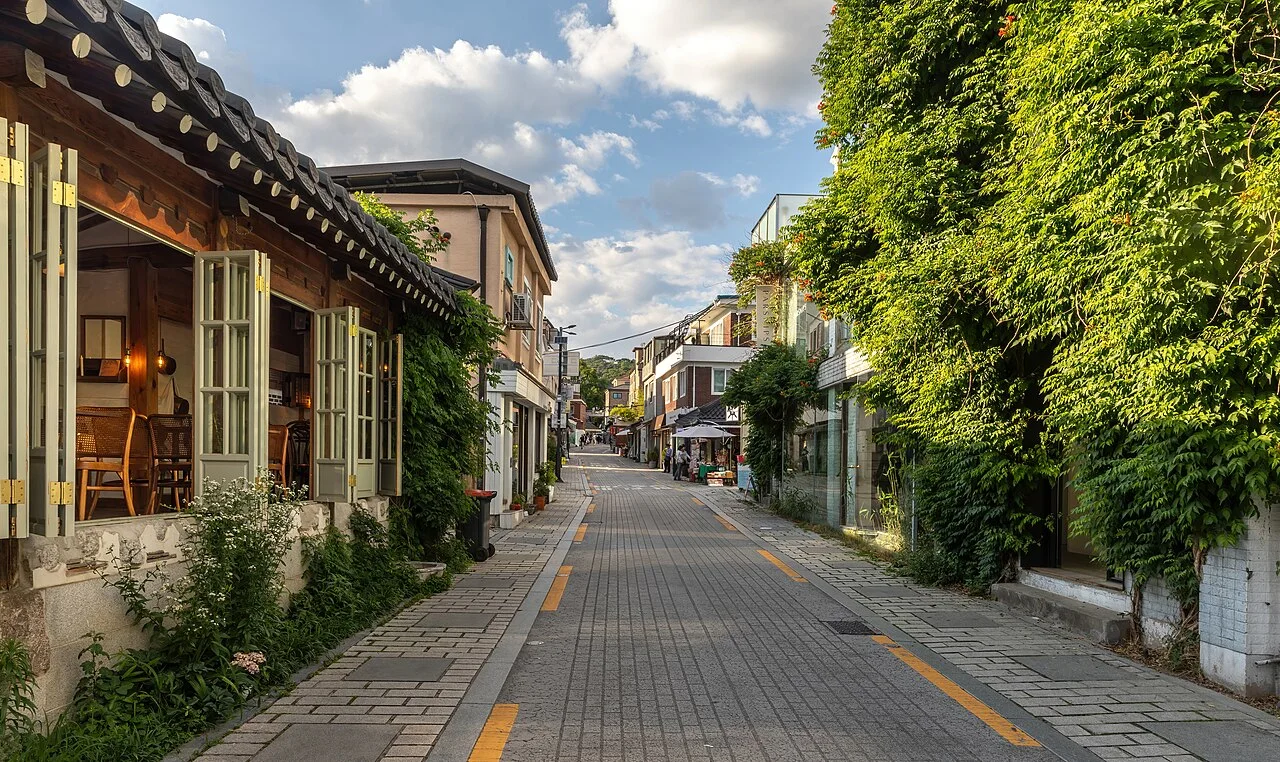
From the palace, Bukchon Hanok Village and Seochon sit within comfortable walking distance on opposite sides — Bukchon's hanok-lined slopes to the east, Seochon's quieter alleys and cafes to the west. Pick one as your main focus and treat the other as a shorter add-on rather than trying to fully cover both; they're both hilly, walking-heavy neighborhoods that add up faster than they look on a map. If the palace has a changing-of-the-guard ceremony scheduled during your visit, timing your arrival around it is worth the small planning effort.
Day 2: Hongdae and Yeonnam, Then Myeongdong
Spend the morning in Hongdae and neighboring Yeonnam-dong — street art, indie shops, and a younger, more casual pace than yesterday's palace grounds. Yeonnam-dong in particular rewards slow wandering over a checklist of specific stops.
Myeongdong, your afternoon and evening stop, isn't a short walk from Hongdae despite how the map might suggest otherwise — there's no direct line connecting them, so budget a proper subway transfer, not a stroll. Myeongdong's shopping streets get genuinely crowded by early evening, especially on weekends, so if you're aiming for a specific store or a sit-down dinner reservation, arriving before peak evening crowds build is worth the earlier start.
Day 3: Gangnam — Shopping Around a Beauty Appointment
If a skincare consultation, beauty treatment, or clinic visit is anywhere on your agenda, this is the day to build it around. Lock in the appointment time first, then fill the hours before and after with Gangnam's shopping streets, particularly around Sinsa's Garosu-gil — most of what you'll want to see and browse in this district is walkable without needing the subway again once you've arrived.
Sequencing matters here specifically because appointment times are fixed and shopping isn't — treat the consultation as the day's anchor point and let browsing stretch or shrink around it, rather than squeezing a fixed appointment into whatever time is left after an open-ended shopping loop.
Day 4: A Day Trip Outside the City
A day trip works as a change of pace roughly at the itinerary's midpoint, but only if the math works: add up the full round-trip travel time before committing, since some popular day-trip destinations from Seoul run 3-4 hours or more round trip once you include the connecting transit on both ends, not just the main journey.
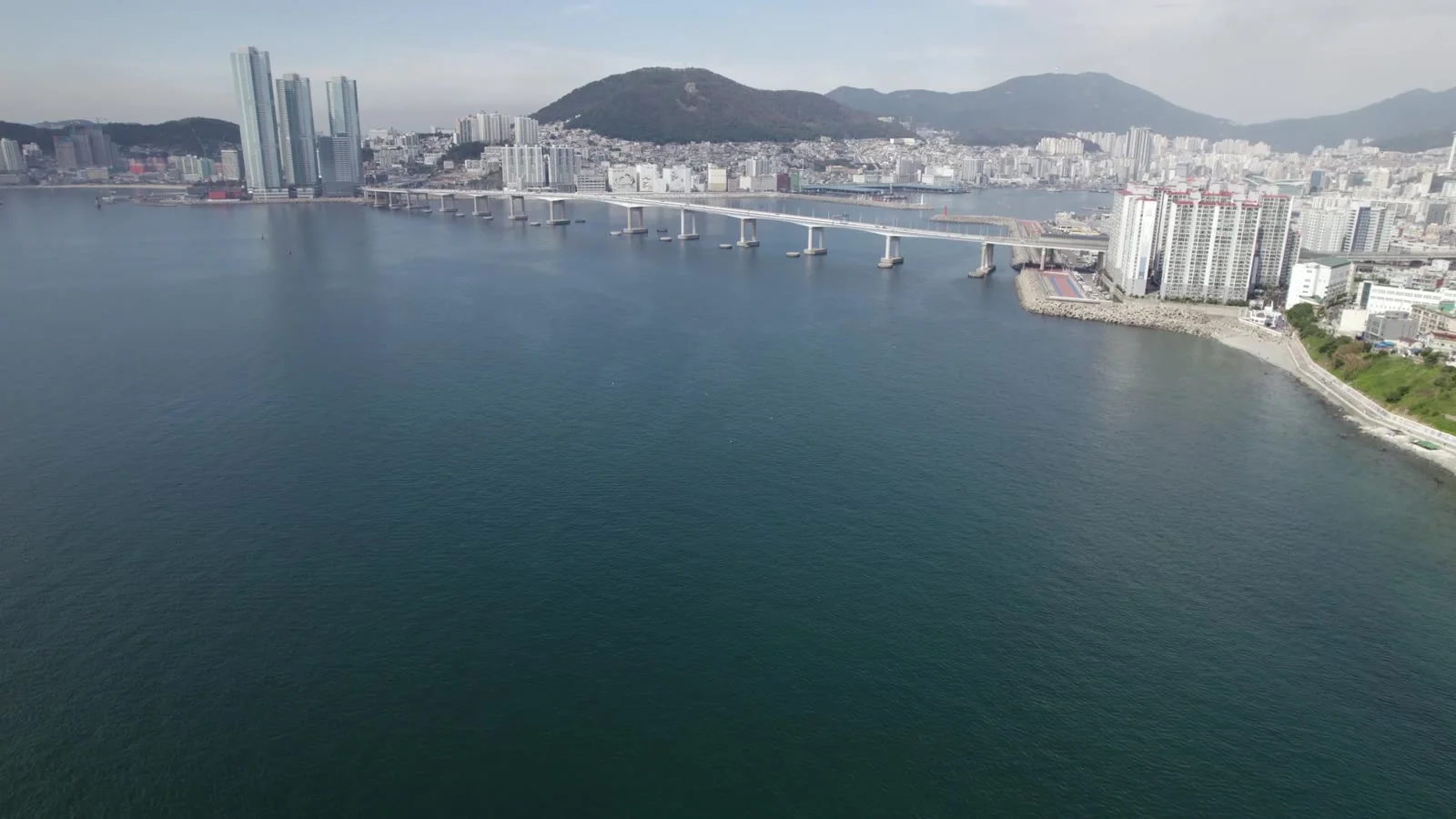
Work backward from your hotel's practical return time — factoring in the last train or bus back toward the city — rather than forward from your morning departure. A day trip that gets you home well after dark with an early flight the next morning isn't worth the fatigue; one that gets you back with time to spare for a relaxed dinner is a genuinely good use of the day.
Day 5: Last-Minute Shopping and the Airport Countdown
Work backward from your flight's departure time: subtract airport transit time, then subtract a buffer for security and check-in, and whatever's left is your actual shopping and errand window — not the other way around.
Tax-refund kiosks and immediate tax-refund stores are worth targeting in this window if you haven't used them yet, since some require processing before you check in luggage, not after. If you're checking out of your hotel with hours still to spare before your flight, a same-day luggage delivery service or a station locker (covered in the Seoul orientation guide) keeps your hands free for this last push instead of dragging a suitcase through department stores.
The Day-of-Week Trap: Palaces on Tuesday, Museums on Monday
This is the single most common date-planning mistake in Seoul itineraries, and it happens because visitors round both closures to "Monday" from habit: Gyeongbokgung and most of Seoul's royal palaces close on Tuesdays. The National Museum of Korea and most major museums close on Mondays. These are two different days, not the same rule stated twice.
If your Day 1 above happens to land on a Tuesday, swap it with a museum-heavy day instead, and move the palace visit to a day that isn't Tuesday. Public holidays occasionally shift these schedules further, so confirm the specific closure calendar for your travel dates on the official palace site rather than assuming the standard weekly pattern always holds.
Rainy-Day Backup Plans
Seoul's outdoor-heavy days — the palace grounds, hanok neighborhoods, day trips — don't hold up well in sustained rain, and taxi wait times noticeably stretch on wet days as demand spikes citywide.
Keep one flexible day in your plan — ideally Day 4's day trip, which is the easiest to postpone — and swap in an indoor alternative if rain hits: a museum, a department store, an indoor market, or a jjimjilbang session. On a rainy day, default to subway over taxi or walking wherever the route allows; it's less affected by both traffic and weather than the alternatives.
Daily Budget Range
| Category | Typical range (per person/day, as of July 2026) | What it covers |
|---|---|---|
| Transit | ₩3,000–9,000 | Subway and bus fares for a full day of neighborhood-hopping |
| Meals | ₩20,000–45,000 | Breakfast, lunch, dinner at a mix of casual and mid-range restaurants |
| Entrance fees | ₩3,000–10,000 | Palace admission (₩3,000 at Gyeongbokgung); many major museums are free |
| Optional | Varies widely | Shopping, a beauty treatment or clinic consultation, cafe stops |
Add the first three rows together and a full day of transit, meals, and entrance fees runs roughly ₩25,000–65,000 per person — the low end assumes a mostly-free museum day and simple meals, the high end assumes a paid palace visit and two mid-range restaurant meals. Individual entrance fees look small enough to ignore, but layered across five days of palaces, museums, and the odd paid attraction, they add up to a real line item — budget for them rather than treating each one as negligible. Coffee and snack stops are the other quiet budget creep: modest individually, but a daily habit across five days becomes a noticeable total by the end of the trip. Confirm current transit fares and entrance fees before you travel, since both are adjusted periodically.
Cutting 5 Days to 3: What to Drop First
If your trip shrinks to three days, cut in this order:
- The day trip — it carries the highest travel-time cost relative to time actually spent there, making it the easiest cut with the least lost experience
- One full day, rather than shaving an hour off every remaining day — an itinerary trimmed evenly across all days tends to feel rushed everywhere, while dropping one full day keeps the rest at a comfortable pace
- Keep the palace day and one Gangnam day as the two anchors, since they cover the widest range of what most first-time visitors want from Seoul in the least travel time
What stays until the very last cut: the Gyeongbokgung/Bukchon cluster and at least a half-day in Gangnam. Everything else — Hongdae, the day trip, extended shopping time — flexes around whatever days you actually have.