
Before You Book: Three Things to Settle First
Korean intercity booking sites present you with more decisions upfront than most rail systems abroad, so settle these three before you start clicking through screens:
- Which station does your route depart from — Seoul Station, Yongsan, or Suseo aren't interchangeable, and guessing wrong is the single most common mistake on this page.
- What date, time, and direction — one-way or round trip, and whether you're flexible on departure time if your first choice sells out.
- Will your card actually go through — some international cards process fine on Korail's website but get declined inside the mobile app for reasons that aren't always clear.
Screenshot your booking confirmation the moment it comes through, including the station name. It's the fastest way to settle any confusion on travel morning, when you're moving fast and don't want to be re-reading a confirmation email for the third time.
Booking Through the Korail App or Website
Korail's English-language site and app both support passport-based account creation — no Korean resident registration number required, unlike some other Korean booking platforms. After signing up, searching a route works like most rail booking systems: pick your date, time window, and origin/destination, then choose from the departures shown.
Payment is where the app occasionally stumbles with foreign cards. If a payment attempt fails without a clear reason, don't assume the card itself is the problem — retry the same booking on the desktop website before giving up or switching cards. It's a known enough quirk that it's worth one extra attempt before you conclude your card doesn't work at all.
Different Trains, Different Stations: Seoul, Yongsan, and Suseo
Korea runs more than one train operator and more than one downtown station, and this is where visitors relying on "Seoul Station" as a catch-all term go wrong.
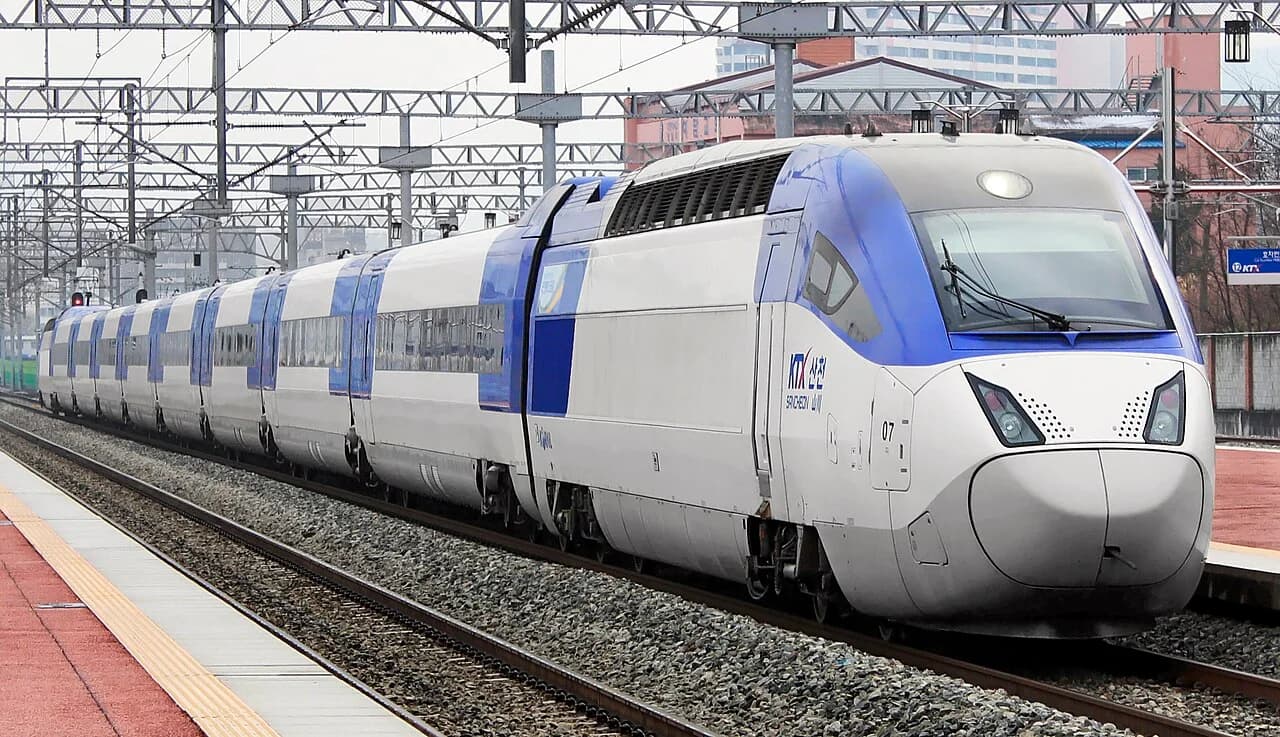
- Seoul Station — the main hub for many Gyeongbu-line KTX departures
- Yongsan Station — serves specific routes, including some Honam-line services
- Suseo Station — the departure point for SRT, a separate high-speed operator running on similar routes
The two stations sit far enough apart that confusing them isn't a five-minute fix — it can mean 20 to 30 minutes of additional subway transfer time, enough to miss your train entirely if you left with a tight buffer. The booking confirmation always states the correct station; the habit that prevents a bad morning is rereading it the night before, not assuming from memory.
KTX vs. Express Bus: When Each One Wins
Both networks connect Korea's major cities, and the right choice depends on more than the train being faster point to point.
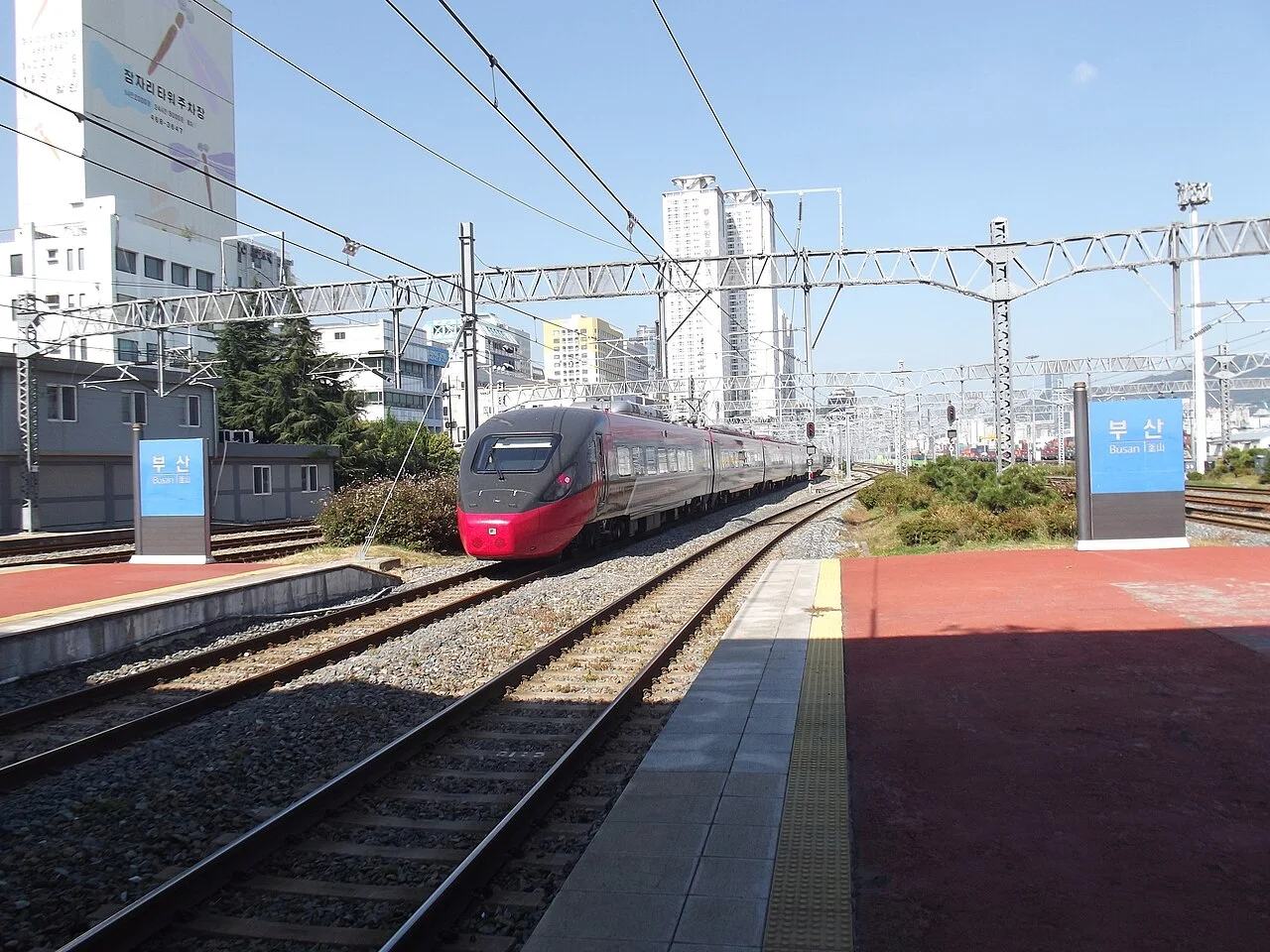
KTX generally wins on raw speed and seat comfort for long routes like Seoul to Busan: as of July 2026, the fastest nonstop service covers that route in around 2 hours 15 minutes for a ₩59,800 economy fare, with first class and the Suite cabin priced higher. Express buses run more frequently throughout the day and their terminals are sometimes genuinely closer to a city's actual center than the KTX station serving the same city — meaning a bus trip can occasionally beat rail on total door-to-door time once you add the taxi or subway ride from the train station to your final stop. Compare total journey time including that last leg, not just the vehicle's advertised travel time, before assuming rail automatically wins.
Riding Several Times? When the Korail Pass Pays Off
The Korail Pass is sold exclusively to foreign passport holders and comes in consecutive-day and flexible-day formats. It only becomes financially worthwhile once your planned number of intercity trips crosses a certain threshold — for a single round trip between two cities, individual tickets are usually the cheaper and simpler choice.
The detail that catches pass holders off guard: holding a valid pass doesn't automatically guarantee a seat. Some trains, especially at popular times, still require a separate seat reservation on top of the pass itself. Assuming the pass alone lets you board any train and sit anywhere can leave you standing for a multi-hour ride during a busy travel window.
Holiday and Weekend Sellouts, and When to Book
Reservations generally open about a month before departure, and that opening moment matters enormously around Seollal (Lunar New Year) and Chuseok (Korean Thanksgiving), when popular time slots on major routes can sell out within minutes of going live.
If your travel dates land anywhere near a national holiday, treat the booking-window opening date as an appointment, not a someday task. Outside of holidays, weekend evening departures on popular routes still sell faster than weekday mid-mornings, so book a few days ahead rather than the morning of if you have a specific time in mind. When your first-choice time is gone, most booking platforms show a waitlist or standing-ticket option — worth checking before assuming the day is a total loss.
Finding Your Platform, Car, and Seat at the Station
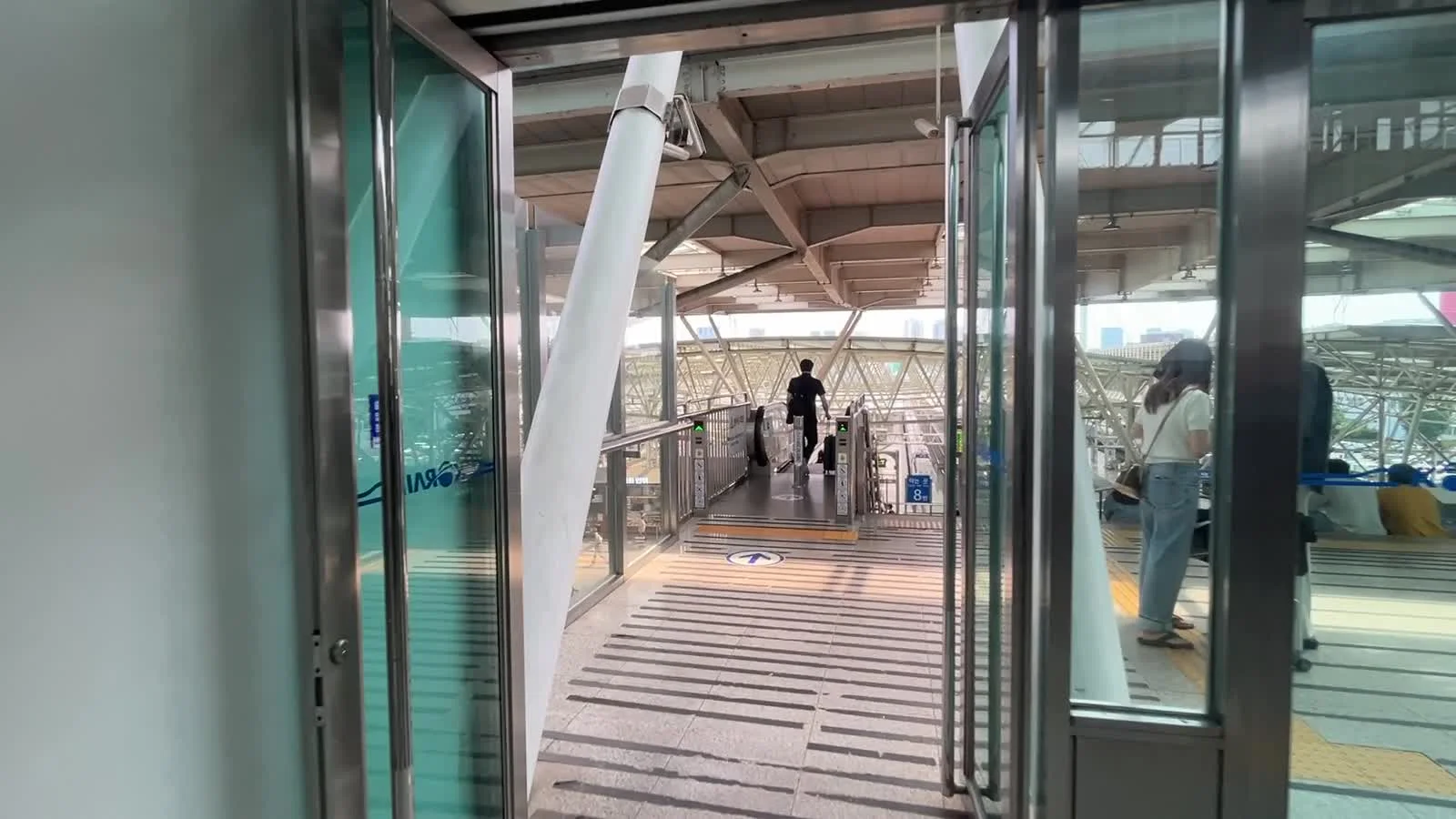
Departure boards list your platform and scheduled time, and inside the platform itself, floor markings indicate roughly where each numbered car will stop once the train pulls in — useful information, because not every car stops at the same section of a long platform.
Checking your ticket's car number against the floor markings before the train arrives means you're standing close to your actual door when it opens, instead of jogging down the platform after the train has already stopped. Large luggage has a designated storage area in some cars, or space beside your seat in others — if you're traveling with an oversized bag, this is worth confirming when you book rather than discovering on board.
Refunds, Change Fees, and Why Jeju Has No Trains
Refund and change fees scale with how close to departure you cancel: canceling well ahead of time typically costs little to nothing, while canceling close to or after your scheduled departure carries a steadily increasing fee. If your plans are still uncertain, check the specific fee tiers before booking a heavily discounted non-refundable fare.
And one search that will never return a useful result: Jeju Island has no train service, either connecting it to the mainland or running within the island itself. If a booking site shows zero rail results for a Jeju route, that's not a glitch — flights and ferries are genuinely the only ways to get there.