
The Decision Rule: Luggage, Arrival Time, Hotel Location
Fare comparisons alone are misleading here, because the cheapest ticket on paper isn't always the fastest option once you add the walk from the platform or bus stop to your actual hotel door. Three questions settle it faster than a price chart:
- How much luggage are you carrying, and how heavy? More or bigger bags push you toward options with no transfer.
- What time do you land? Anything close to midnight changes the entire answer.
- How close is your hotel to a limousine stop or to Seoul Station specifically? AREX's express service only reaches Seoul Station — everywhere else needs a second leg.
A pattern worth knowing before you compare numbers: the limousine bus often looks like the pricier option on a fare chart, but if your hotel sits a five-minute walk from its stop, it can beat AREX once you add the time (and effort, with a rolling suitcase) of a subway transfer from Seoul Station to your actual neighborhood.
AREX Express vs. All-Stop Train vs. Limousine Bus, Side by Side
| AREX Express | AREX All-Stop | Limousine Bus | |
|---|---|---|---|
| Stops | Nonstop to Seoul Station | Multiple stations en route | Multiple hotel-area stops, route-dependent |
| Best for | Hotels near/reachable from Seoul Station | Budget travelers near an intermediate station | Hotels near a specific bus stop, heavier luggage |
| Transfer needed? | Only if your hotel isn't near Seoul Station | Often, depending on your stop | Usually none if your stop is close |
| Fare/schedule (as of July 2026) | ~₩13,000 adult (reduced for children/seniors), ~43 min from T1 (51 min from T2) | ₩5,350 adult from T2, ~67 min | ₩5,000–15,000, ~60–80 min depending on traffic |
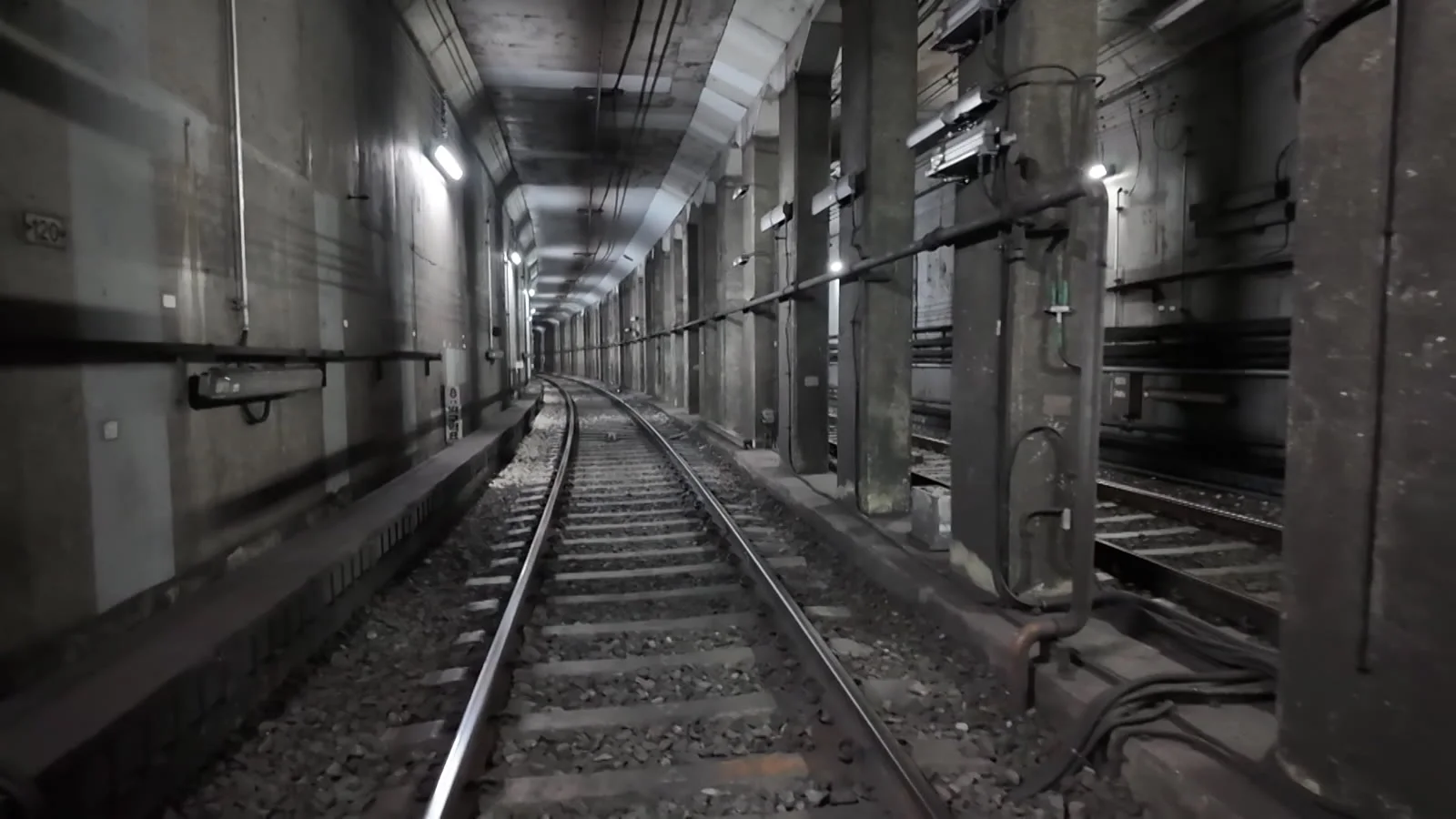
The detail that catches people out: AREX's express service stops at exactly one place in the city — Seoul Station. If your hotel isn't within easy reach of it, you're adding a subway leg regardless of how fast the train itself was. The all-stop AREX train serves more neighborhoods directly but takes longer end to end, so it wins mainly for travelers headed near one of its intermediate stops without a heavy suitcase.
Terminal 1 vs. Terminal 2, and Not Missing the Shuttle
Incheon operates two passenger terminals, and which one your flight uses depends entirely on the airline — it's printed on your ticket and boarding pass, not something you can guess from the airline's home country. A free shuttle bus connects the two terminals and runs continuously, but the ride itself takes real time, and AREX and limousine bus platforms are positioned differently at each terminal.
Screenshot the terminal listed on your ticket before you land. Travelers who assume "Incheon is Incheon" and head for the wrong terminal's transport counter routinely lose 20 minutes or more just on the shuttle round trip — time that matters most exactly when you're trying to catch a specific train or the last bus of the night.
Landing Late at Night: Your Options After the Last Train
Immigration and baggage claim eat more time than people plan for, and a flight that lands what feels like "still evening" can put you at the transport counters well past both AREX and limousine buses' last runs, which cluster around midnight.
Two things to plan around specifically:
- Night bus routes run on a reduced schedule with longer waits between departures compared to daytime service
- Taxi late-night surcharges climb in tiers after 10 p.m. — the steepest is 40% between 11 p.m. and 2 a.m., with 20% in the hour before and the two hours after — stacked on top of a daytime fare into central Seoul that already runs roughly ₩55,000–100,000 depending on your exact destination and route (as of July 2026; tolls and rates are worth confirming before you travel)
If your flight lands past 11 p.m., it's worth deciding on a taxi before you land rather than sprinting for a train you might not make. Chasing the last AREX departure through immigration and baggage claim is a stressful bet; booking a taxi from the start is the calmer one.
If Your Luggage Is Heavy, Routes to Avoid
Some subway transfer points have the elevator tucked at one end of a long platform, on the opposite side from where most passengers naturally walk — manageable empty-handed, considerably less fun wheeling a 23kg suitcase.
Routes with zero transfers — AREX express direct to Seoul Station, a limousine bus stop close to your hotel, or a taxi — are the safer bet with heavy or multiple bags. The all-stop AREX line, while cheaper, is the one most likely to require a mid-journey change, which is exactly where large luggage becomes a real burden rather than a minor inconvenience.
Landing at Gimpo Instead? Here's What Changes
Not every flight lands at Incheon. Some domestic connections and a number of shorter international routes use Gimpo International Airport, which sits considerably closer to central Seoul. Everything written above about AREX and Incheon's limousine network applies specifically to Incheon — check your ticket's arrival airport code before assuming the same transport plan carries over.
From Gimpo, the subway and airport rail link into the city tend to beat waiting for a limousine bus, simply because the distance itself is shorter. If your itinerary includes a domestic flight arriving separately from your international one, confirm which airport each leg uses so you're not researching Incheon transit for a Gimpo arrival.