
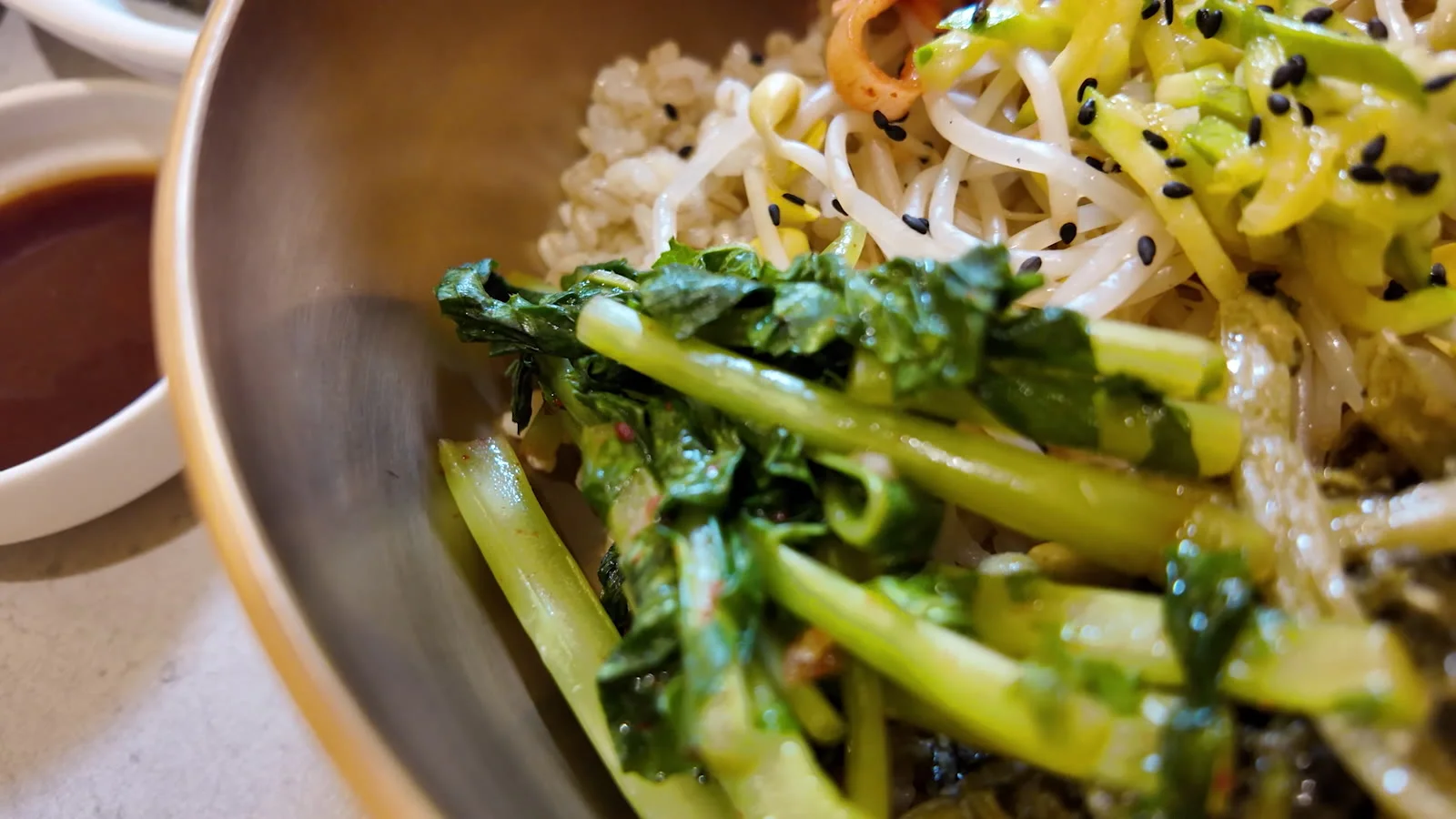
Getting Seated
At the entrance, state how many people are in your group, or hold up that many fingers if you'd rather not rely on speaking — staff will point you to a table or seat you directly. Some smaller, casual restaurants skip this step entirely and expect you to simply take any open table yourself.
Whether you sit on a chair or on the floor depends on the restaurant's layout — many traditional Korean restaurants mix regular tables with a raised, shoes-off floor-seating section, and it's not always obvious which is which until you're standing at the entrance looking for a cue from other diners already seated.
Calling a Server: "Jeogiyo" and the Table Bell
This is the detail that catches most first-time visitors off guard: making eye contact and waiting doesn't reliably work in Korean restaurants. The expected move is calling out, and the word that does it is "jeogiyo" (저기요) — said clearly, at a normal restaurant volume, toward the kitchen or serving area.
Many restaurants, especially newer ones, mount a small button on the table instead — press it once, and a light or chime alerts staff at the counter. Either method gets a faster response than sitting quietly and hoping someone notices you're ready to order.
Water, Utensils, and Small Plates Are Often Self-Serve
If nobody's brought water to your table within a minute or two, that's usually not a service delay — it's a self-serve setup. Many restaurants have a water cooler or pitcher station, along with chopsticks, spoons, and small plates, near the entrance or against a side wall.
Rather than waiting at the table assuming someone forgot you, take a quick look around the room. Napkins, wet wipes, and sometimes disposable aprons (useful for anything grilled or sauced) are often at that same self-serve station.
Banchan Is Free, and Refills Are Too
The small side dishes that arrive at the start of your meal — kimchi, seasoned vegetables, whatever the day's rotation happens to be — are included in the price of your main dish, not billed separately.
Running low on a banchan you like isn't the end of it — refills are normal and expected, and free. Point at the empty dish when a server passes, or ask directly. Some restaurants set up a self-serve banchan bar instead, where you refill your own plate without needing to ask anyone at all.
Ordering When the Menu Has No English
Photo menus solve most of this on their own — point at the picture, hold up fingers for quantity, done. When there's no photo menu, a translation app's camera feature pointed at the printed text usually gets you close enough to order with confidence.
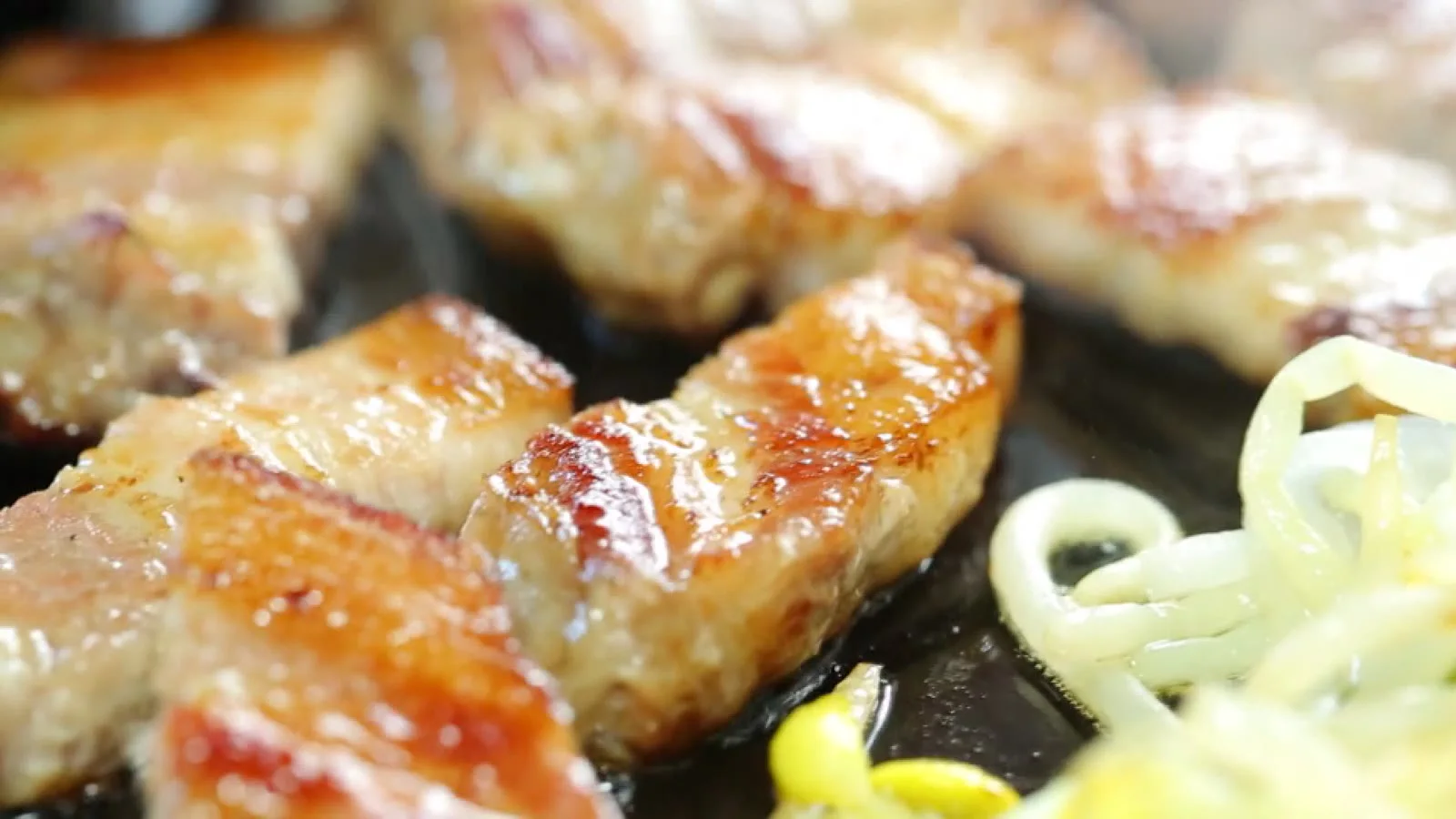
The other method, genuinely common and not considered rude: if a nearby table is eating something that looks good, point at it and say "this, please" (or simply point and smile — staff are used to this). It often works faster than translating an entire menu.
Dining Solo? Watch for Two-Person Minimums
Certain dishes — many stews, hot pots, and grilled-meat orders in particular — are priced and portioned assuming two or more diners, and some restaurants simply won't take a single-portion order for them. This isn't a judgment on solo diners; it's a function of how the dish is prepared and served.
If you're eating alone and have your heart set on one of these dishes, check the menu for a solo-friendly indicator or ask before you sit down. Areas near business districts and university neighborhoods tend to have more restaurants explicitly set up for solo diners, since eating alone is common there too.
Grilling Your Own Meat: Scissors and Tongs
At many Korean BBQ restaurants, you — or occasionally a server — grill the meat directly at your table. Once it's cooked through, the standard way to portion it isn't a knife: kitchen scissors, sitting right there on the table, cut the meat into bite-sized pieces.
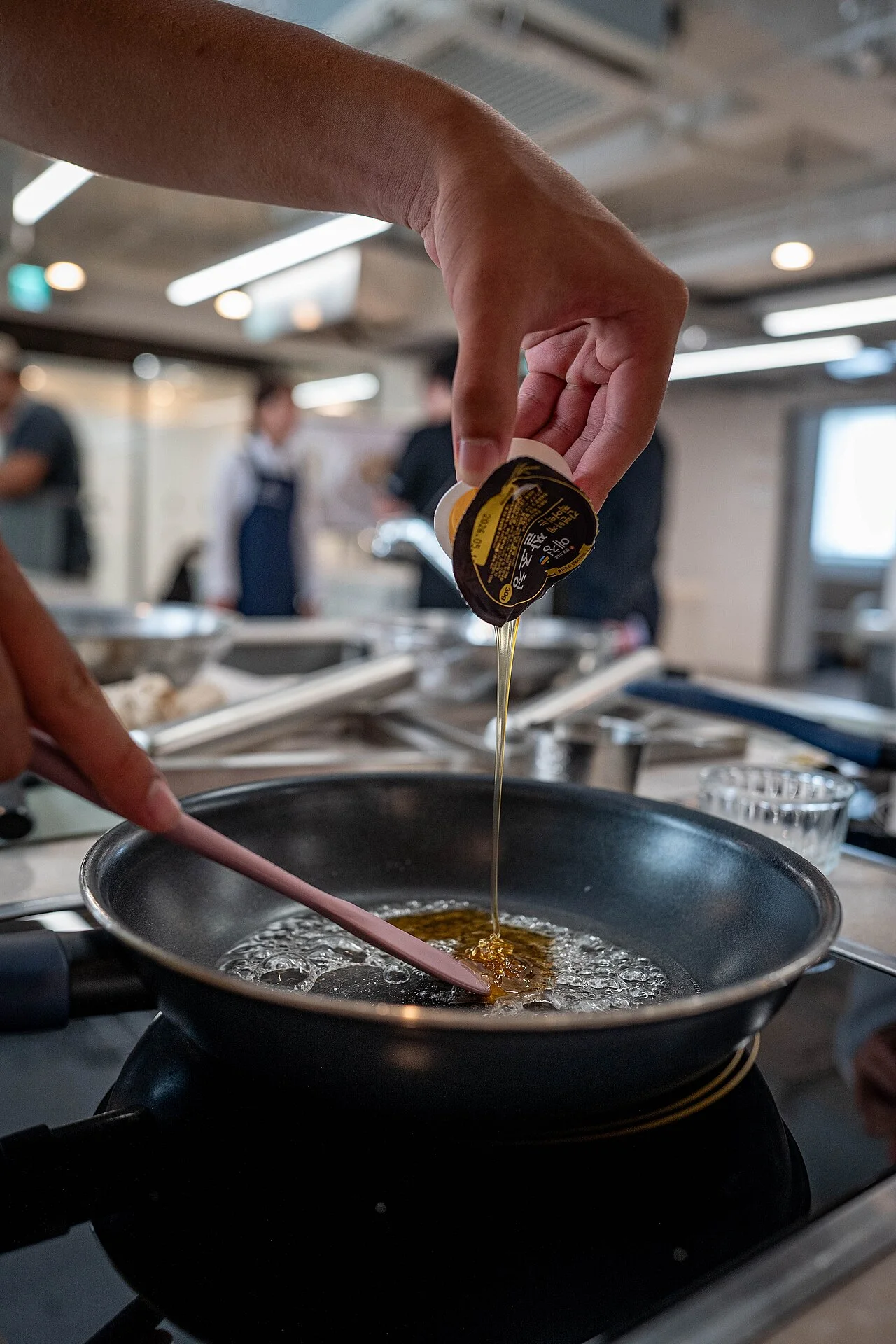
Tongs handle flipping and moving pieces on the grill; scissors handle the cutting once it's done. If you're unsure whether a piece is fully cooked, servers are generally happy to check or take over the grilling themselves — a quick "help, please" gesture is understood widely enough that the language barrier rarely matters here.
Paying at the Counter, Not the Table
When you're finished, don't wait at the table expecting a bill to arrive — walk to the register near the entrance and pay there. This is standard across nearly all Korean restaurants, from casual spots to sit-down dinner places, and it's the single most common point of confusion for visitors used to a server bringing the check.
Card and cash are both typically accepted at the counter, though very small or older establishments occasionally run cash-only. There's no tip line to fill in and no percentage to calculate — the listed price is the price.
Vegetarian, Halal, and Allergy Requests: What Works and What Doesn't
Saying "vegetarian" alone often isn't enough — many broths, sauces, and seasonings are built on a meat or seafood base even when the main visible ingredients look plant-based. Being specific gets better results: "no meat, no meat broth" communicates more than "vegetarian" does on its own.
Halal-certified restaurants exist but aren't common outside a few specific neighborhoods, so search ahead rather than expecting to find one easily on the street. For allergies, naming the specific ingredient (shellfish, peanuts, egg) rather than a general category gets a clearer answer from kitchen staff, and it's worth writing the ingredient down or showing it translated on your phone if the allergy is serious enough that a misunderstanding would matter.