
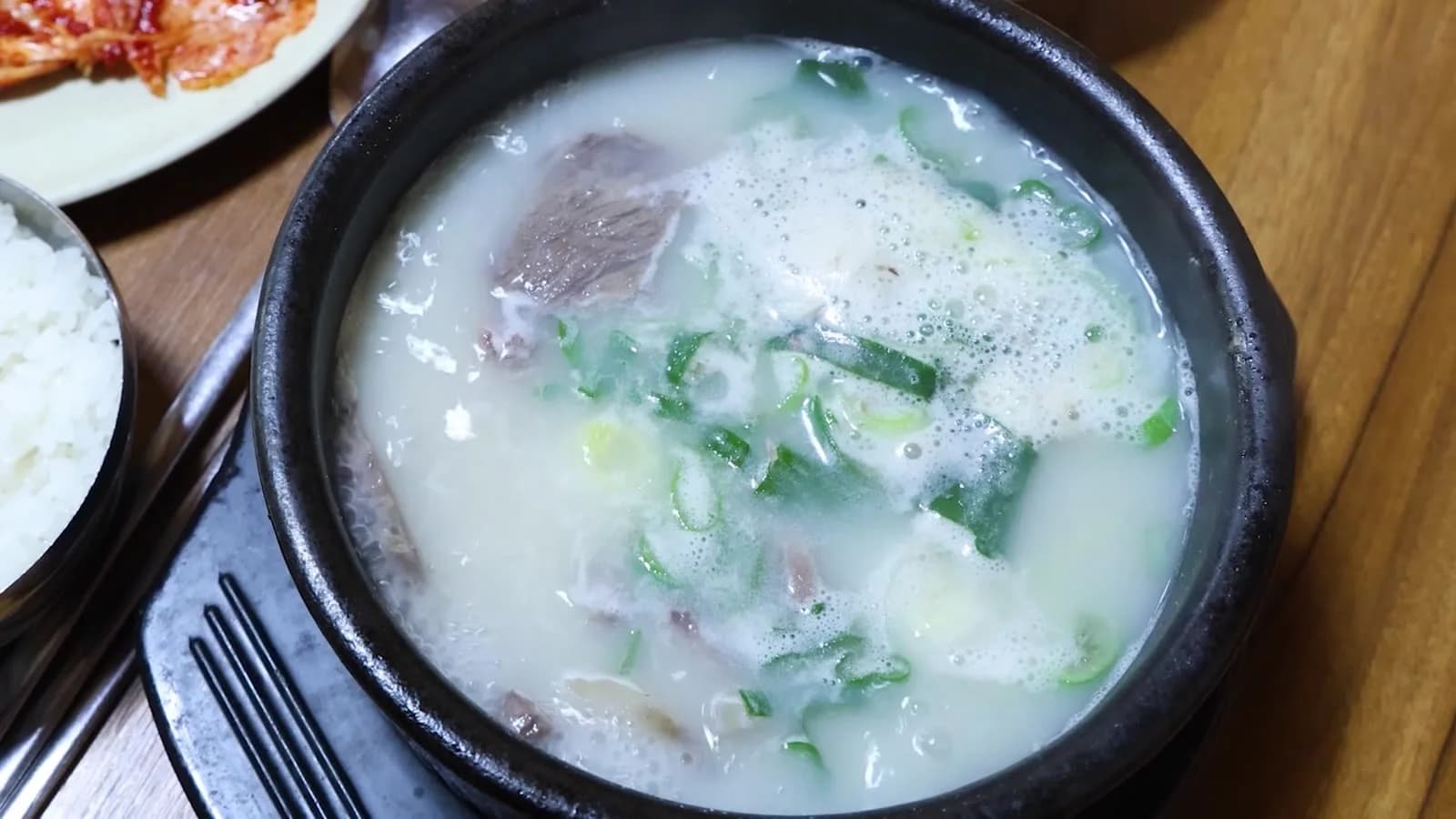
How This List Was Chosen: Always Open, Cheap, Easy Alone
This isn't a "best food" list — it's a "how to actually use the store" list, built around three filters: open around the clock within a short walk of almost anywhere in a city, inexpensive relative to a sit-down meal, and easy to eat solo without feeling like you're missing a set-menu experience. The food itself is genuinely good. What trips visitors up is the unwritten sequence of using the store, not the menu.
How the Chains Differ: GS25, CU, 7-Eleven, Emart24
Korea's four major convenience store chains overlap heavily but aren't identical. Each runs its own private-label lunchbox, ramyeon, and dessert lines, so a specific item you loved at one chain might not exist at another two blocks away.
| Chain | Known for |
|---|---|
| GS25 | Broad private-label snack and dessert range, frequent collaboration items |
| CU | Strong dosirak (lunchbox) lineup, celebrity or media tie-in products |
| 7-Eleven | Wide store footprint, consistent format near transit stations |
| Emart24 | Often larger stores with a broader grocery-style selection |
If you're chasing a specific viral snack or lunchbox you saw online, check which chain actually carries it before wandering into the nearest store expecting to find it — it may only be at one of the four.
Dosirak (Lunchboxes): Price and What's Inside
A dosirak is a packaged meal — rice, a protein, and a few vegetable or pickled sides in one tray — sold in the refrigerated section, not the ambient shelves. As of July 2026, a standard dosirak runs roughly ₩4,000–6,000, with seasonal or collaboration boxes — a celebrity-branded lineup, a media tie-in — commonly priced above that range; check the shelf price at the store rather than relying on an old number.
Because it's stored cold, a dosirak is meant to be microwaved, not eaten straight from the fridge. Skipping that step isn't a taste preference — it genuinely changes the texture of the rice from what it's designed to be.
Pay First, Then Cook: The Self-Serve Station in Order
The sequence that isn't written anywhere in English but matters a lot: checkout happens before you touch the microwave or hot-water dispenser, not after. Grab your item, pay at the register, then walk over to the self-serve station and prepare it yourself.
Trying to heat something before paying is one of the few things that reliably draws a polite but firm correction from staff. Once you've paid, using the equipment is genuinely self-service — no need to ask permission each time — but do clear away your own container and wipe down the counter for whoever's next.
Cup Noodles: Getting Hot Water Right
Cup noodles have their own dedicated hot-water dispenser, separate from the microwave, usually mounted right at the self-serve counter. Fill to the marked line inside the cup, close the lid, and wait the time printed on the packaging — a few minutes, typically.
The mistake worth avoiding specifically: do not put a styrofoam cup noodle container in the microwave. The material isn't built for microwave heat and can warp or release substances you don't want anywhere near your food. The hot-water dispenser exists precisely so you never need the microwave for this category of product.
Reading 1+1 and 2+1 Deals Correctly
Shelf tags marked 1+1 (buy one, get one free) or 2+1 (buy two, get one free) are common, but the fine print usually restricts the deal to the identical product — same flavor, same size — not just "any two drinks" or "any two snacks" from a general category.
Register totals apply these deals automatically when the system recognizes matching items, but double-check the tag's wording before you build your basket around a discount that turns out not to apply. Promotional periods also have end dates, so a deal you saw yesterday isn't guaranteed to still be live today.
More Than Food: Transit Top-Ups, ATMs, Parcels
Convenience stores function as small utility hubs well beyond snacks and drinks. You can typically top up a T-money transit card at the counter, and many branches host an ATM inside or just outside the store. Parcel drop-off through a delivery partner is common too, along with grab-and-go essentials like umbrellas, phone chargers, and basic toiletries.
If it starts raining unexpectedly and you didn't pack an umbrella, a convenience store is very often the fastest fix within walking distance — cheaper and faster than searching for a dedicated shop.
After You Eat: Seating and Sorting Your Trash
Not every location has seating — some offer a small counter or a couple of outdoor stools, others are strictly grab-and-go. If eating on-site matters to your plan, glance for a seating area before you commit to buying something that needs to be eaten right away.
Trash bins near the exit or self-serve station are usually split into separate categories — plastic, general waste, and sometimes liquids poured down a separate drain for cups. Taking a moment to sort your own trash into the right slot, rather than dumping everything into whichever bin is closest, is a small courtesy that keeps staff from having to re-sort it later.