

The Short Version: Cards Work Almost Everywhere, Except Where They Don't
Korea earned its "cash-optional" reputation honestly — big retailers, convenience stores, and most restaurants take foreign Visa and Mastercard without a second look. That reputation then leads visitors to leave cash behind entirely, which is where the trouble starts.
The exceptions are consistent enough to plan around: traditional markets, street food carts, and a share of unmanned kiosks still run on cash or domestically issued cards only. None of that is really about tourists — it's simply that small vendors and older machines were never wired for international card networks. The mistake isn't believing Korea is card-friendly. It's assuming card-friendly means card-only.
Where Foreign Cards Actually Get Declined
Three categories cause almost every "why won't this work" moment:
- Traditional market stalls and street vendors — many run on cash or a card reader that only recognizes domestic bank cards
- Some unmanned kiosks — instant noodle bars, small ice cream machines, and similar self-service setups
- Transit card top-up machines and certain coin lockers or laundromats
The trap inside that second category: an unmanned kiosk can have a perfectly bilingual English screen and still reject your foreign card at the payment step. The interface language and the payment processing are unrelated systems — a kiosk translating its menu into English tells you nothing about whether it can actually charge a Visa issued outside Korea.
Finding an ATM That Accepts Your Foreign Card
Not every ATM in Korea takes foreign cards, so look specifically for a Visa/Plus, Mastercard/Cirrus, or UnionPay logo on the machine itself before inserting your card. Convenience-store ATMs (inside GS25, CU, and similar chains) tend to be the most consistently foreign-card-friendly option, and many run 24 hours, which ordinary bank branch ATMs typically don't after hours.
Two limits apply on top of whatever the machine displays: a per-withdrawal cap and a daily cap, both set by your home bank rather than the Korean ATM. If you're planning a large cash withdrawal for a specific purchase, check your own bank's limits before you land rather than discovering them mid-transaction. Machines that operate late at night sometimes tack on an additional service fee outside standard hours, so a withdrawal at 2 p.m. and the same withdrawal at 2 a.m. from the same machine can cost slightly different amounts.
How Much Cash to Actually Carry
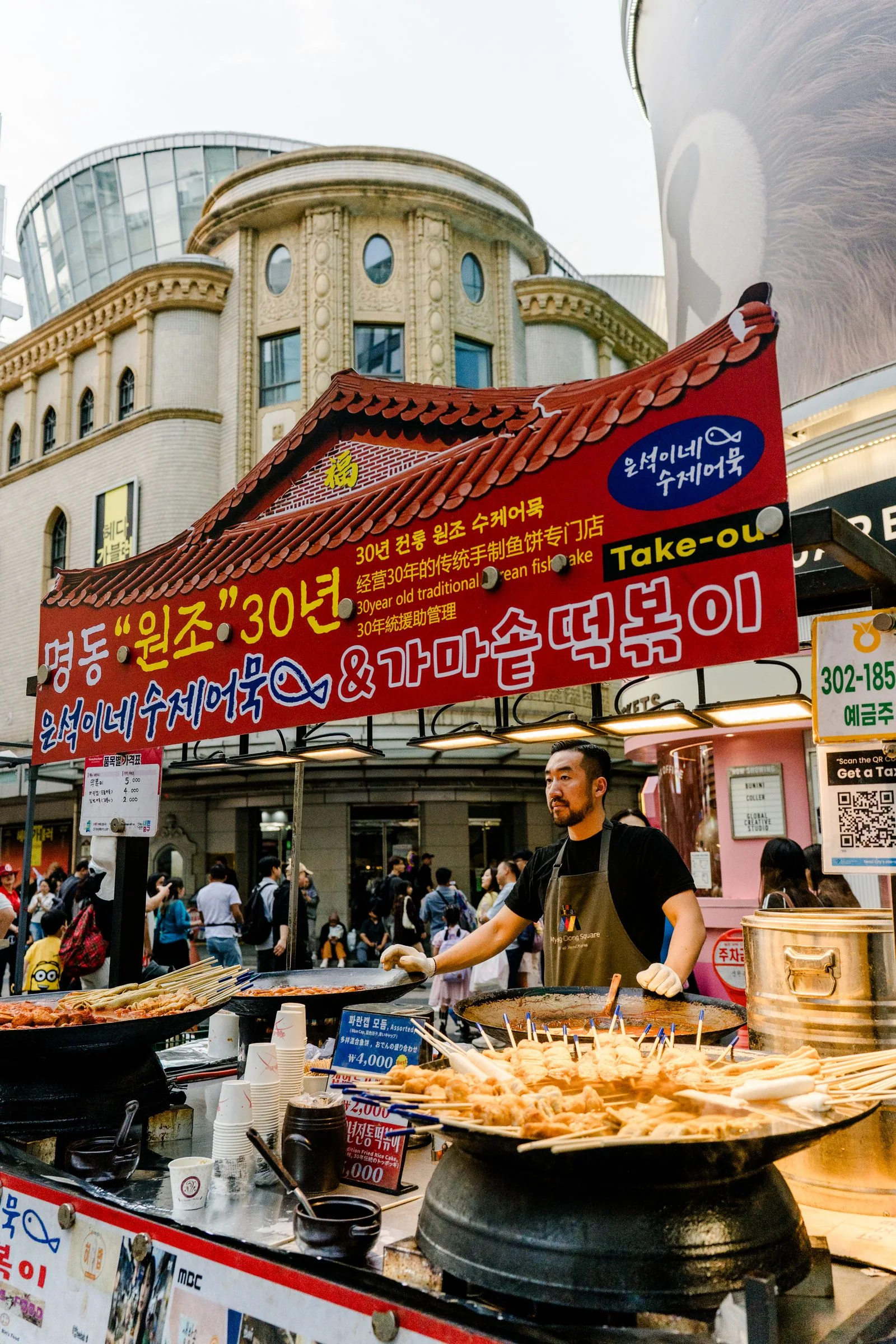
There's no single correct number, since it depends on how much market shopping and street food is on your itinerary, but a workable buffer is enough small cash for a full day of market meals, snacks, and a transit top-up — refreshed every couple of days rather than carried as one large sum.
Denomination mix matters more than total amount:
| Note | Typical use |
|---|---|
| ₩1,000 | Small transit top-ups, street snacks |
| ₩5,000 | Market meals, taxi short rides |
| ₩10,000 | General daily spending |
| ₩50,000 | Larger purchases only |
A ₩50,000 note is the one most likely to get you a flat refusal at a market stall or food cart — the vendor often doesn't have that much change on hand early in the day. Break large notes at a convenience store purchase before you head into a market, not after a stall owner has already waved you off.
Why You Must Choose Korean Won on the DCC Screen
Dynamic Currency Conversion (DCC) is the pop-up some card terminals show, offering to charge you in your home currency instead of Korean won. It's framed as a convenience — "see the price in dollars/euros/pounds right now" — but the exchange rate applied is set by the merchant's payment processor, not your card network, and it's reliably worse than what your own bank would give you on the same transaction.
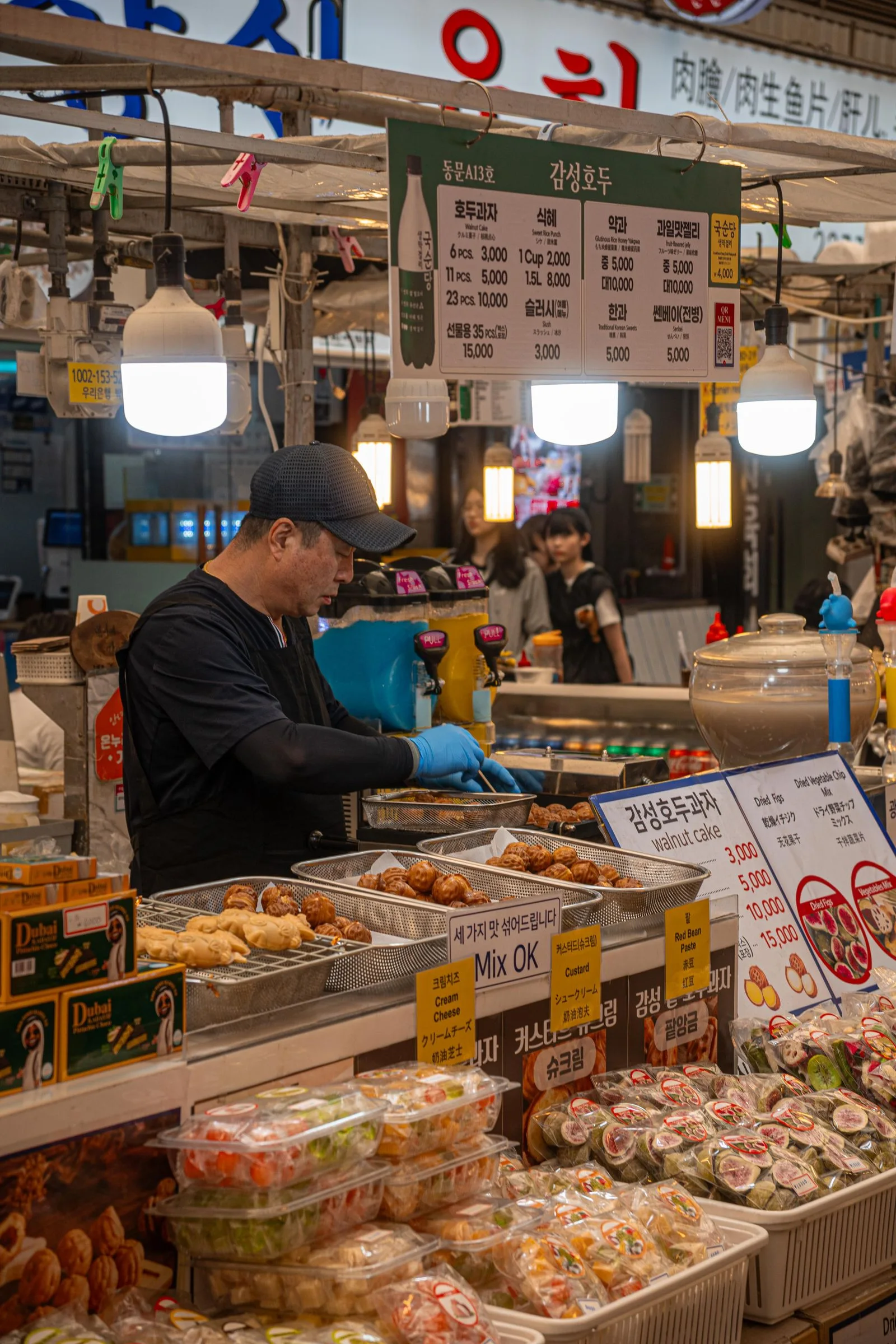
The screen sometimes flashes past this choice quickly, defaulting to your home currency unless you actively select otherwise. Get in the habit of glancing at the terminal before signing or tapping: if you see a currency toggle, choose KRW, every time, regardless of what currency your card was issued in.
Why Your Card Statement Doesn't Match the Receipt
Your paper receipt in Korea always shows the won amount you were actually charged at that register. Your card statement, once it posts, typically shows a different number — because your bank converts that won amount to your home currency using its own exchange rate on the transaction date, then adds a foreign transaction fee on top (commonly in the range of 1–3%, though the exact rate depends entirely on your card issuer).
That gap is normal, not an error. If the difference looks larger than a standard conversion-plus-fee would explain, check whether a DCC prompt slipped through unnoticed at checkout — that's the most common cause of a statement total that looks unexpectedly high. Confirming your own card's foreign transaction fee before you travel means the number on your statement won't come as a surprise later.