
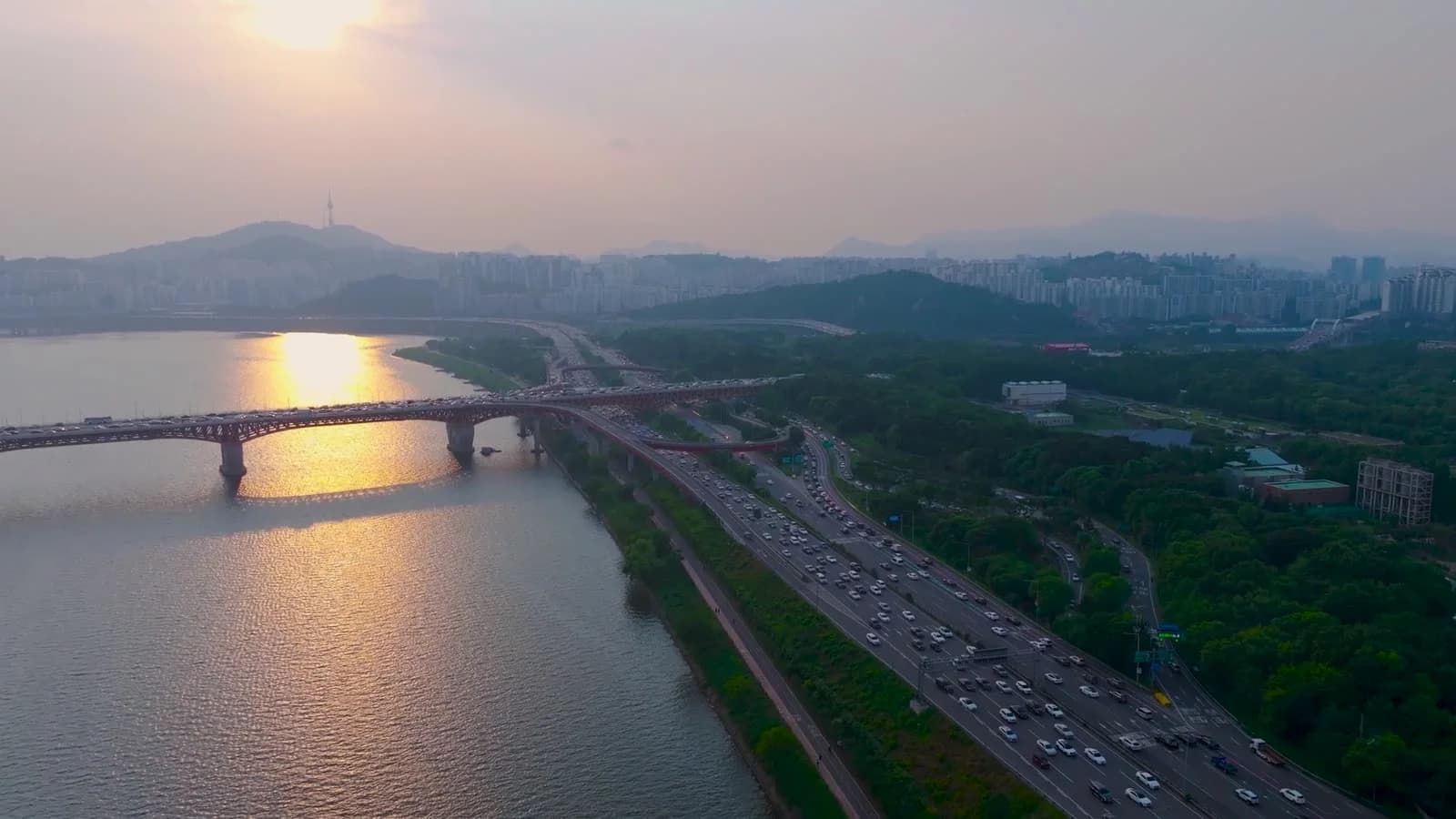
How Seoul Is Divided: Gangbuk and Gangnam
The Han River cuts Seoul into two halves with genuinely different personalities, and understanding that split does more to orient a first-time visitor than any list of individual attractions.
Gangbuk, north of the river, holds most of the historic core: the royal palaces, Jongno's traditional alleys, Myeongdong's shopping streets, and Hongdae's youth and indie culture scene. Gangnam, south of the river, is newer and built around wide boulevards, department stores, corporate towers, and — relevant if a clinic visit is part of your trip — Seoul's densest concentration of dermatology and aesthetic clinics, centered on the Sinsa and Apgujeong area.
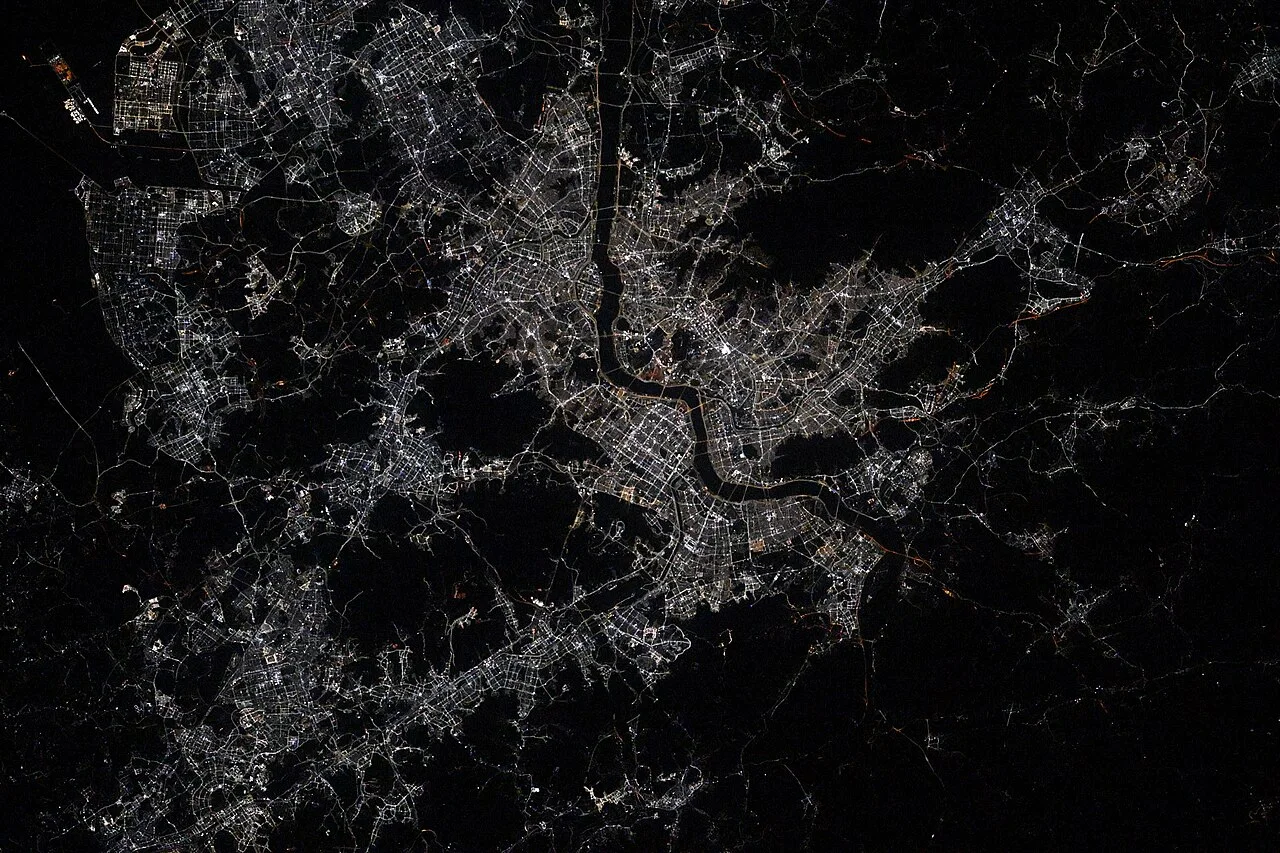
The two halves aren't a quick hop apart. Crossing the river by subway typically takes long enough that treating "Seoul" as one compact zone you can bounce around freely leads to itineraries that lose entire afternoons to transit. Most first-time visitors do better picking a primary half and spending focused time there before crossing to the other.
Where to Base Yourself: Judge by Subway Access
Skip the "close to attractions" framing that hotel listings lean on — attractions are spread across the whole city, so almost every hotel claims proximity to something. The metric that actually predicts a smooth trip is how many subway lines serve your nearest station, and how far that station is from your door.
A hotel five minutes from a station served by three lines gives you fast, low-transfer access to most of the city. A hotel that's technically closer to a different station served by only one line can leave you making an extra transfer on every single trip out. Check both distance and line count before booking, not distance alone.
Airport access is the other factor worth weighing by neighborhood: areas with a direct AREX or subway connection to Incheon save you a transfer on both the day you land and the day you fly out — a small thing multiplied by two exhausted travel days.
Rough nightly rates vary considerably by neighborhood, season, and hotel category — confirm current pricing on a booking platform for your specific dates rather than relying on a fixed number, since Seoul hotel pricing shifts with both season and citywide events.
What's Realistic in 3, 5, or 7 Days
| Length | Realistic scope |
|---|---|
| 3 days | One half of the city (Gangbuk or Gangnam) done at a comfortable pace |
| 5 days | Both halves, plus one day trip outside the city |
| 7 days | Both halves, plus room for an overnight trip to a nearby city |
The mistake that wears people out fastest is trying to fit a 5-day scope into 3 days — jumping between Gangbuk and Gangnam multiple times, chasing a checklist instead of a neighborhood. Limiting yourself to one or two neighborhoods per day, rather than optimizing a route across the whole map, is consistently what makes a short trip feel relaxed instead of rushed.
Getting a Feel for the City's Scale
Seoul is considerably larger than it looks on a phone screen zoomed to fit your itinerary. Two points that look close together on a map can sit on different subway lines with no direct connection, turning a "nearby" trip into a 30-40 minute ride once you add a transfer.
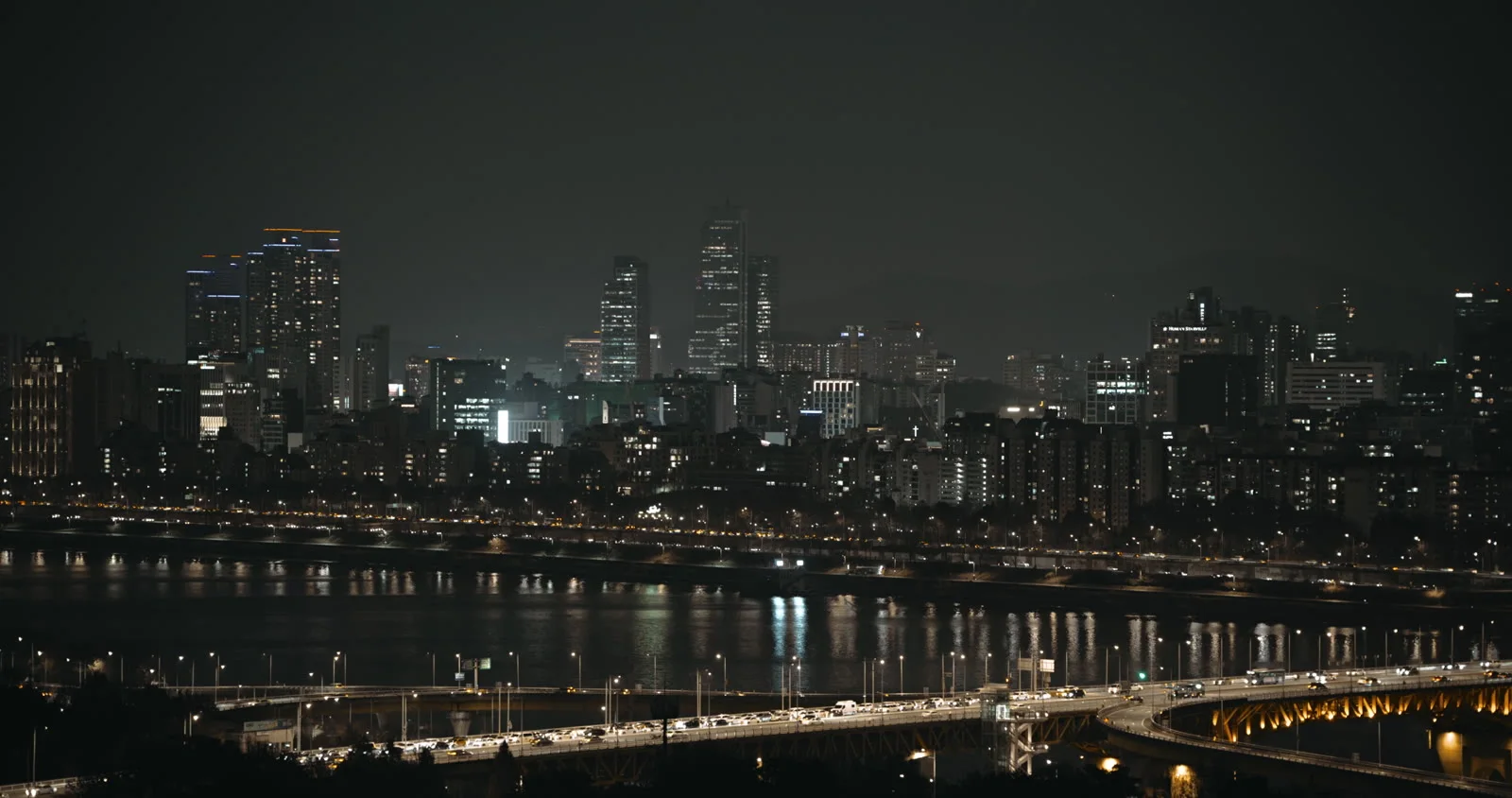
The rule of thumb worth internalizing: a single subway transfer roughly doubles your felt travel time compared to straight-line map distance. Two stops on the same line might take five minutes; two stops that require changing lines can take twenty, once you factor in walking to the new platform and waiting for the next train. When you're mapping out a day, count transfers, not kilometers.
Handling Luggage Before Check-In and After Checkout
Arriving well before your check-in time, or having a flight that leaves long after checkout, is a common scheduling gap — and Seoul has two practical fixes for it.
Most subway stations have coin-operated or app-based luggage lockers, sized for anything from a day bag to a large suitcase. Separately, same-day luggage delivery services will pick up your bags from your hotel and deliver them to the airport (or vice versa), letting you spend your last day sightseeing without dragging a suitcase through it.
If your hotel's front desk won't hold bags before your official check-in — some don't, especially smaller guesthouses — the nearest station locker is usually faster than negotiating with staff or losing sightseeing time waiting around the lobby.
If You Miss the Last Train: Nighttime Options
Subway last trains run roughly around midnight, but the exact time depends on the line and direction — there's no single citywide cutoff, so check your specific line rather than assuming "around midnight" covers your route home.
Once the subway stops, night buses run a reduced network on certain routes through the early morning hours, and taxis remain available with a late-night surcharge applied during a fixed overnight window. If your evening plans are in a different neighborhood from your hotel, check your line's last train before you commit to that late dinner reservation — it's a lot cheaper to leave twenty minutes earlier than to discover the platform gate already closed.
Where the Beauty and Clinic District Overlaps With Sightseeing
If a skincare consultation, aesthetic treatment, or clinic visit is anywhere on your trip's agenda, it's worth knowing this in advance: Seoul's dermatology and aesthetic clinic district clusters heavily around Sinsa and Apgujeong in Gangnam, and that stretch sits directly alongside one of the city's major shopping corridors.
That overlap is genuinely convenient for scheduling: a consultation booked for the early afternoon leaves the rest of the day free for browsing nearby stores and cafes, all within walking distance, rather than requiring a separate cross-city trip on a different day. If a clinic visit is part of your plans, factoring Gangnam into at least part of your stay — rather than basing entirely in Gangbuk and commuting in for a single appointment — tends to make the logistics considerably easier.