
Free, and Easier to Find Than You'd Expect
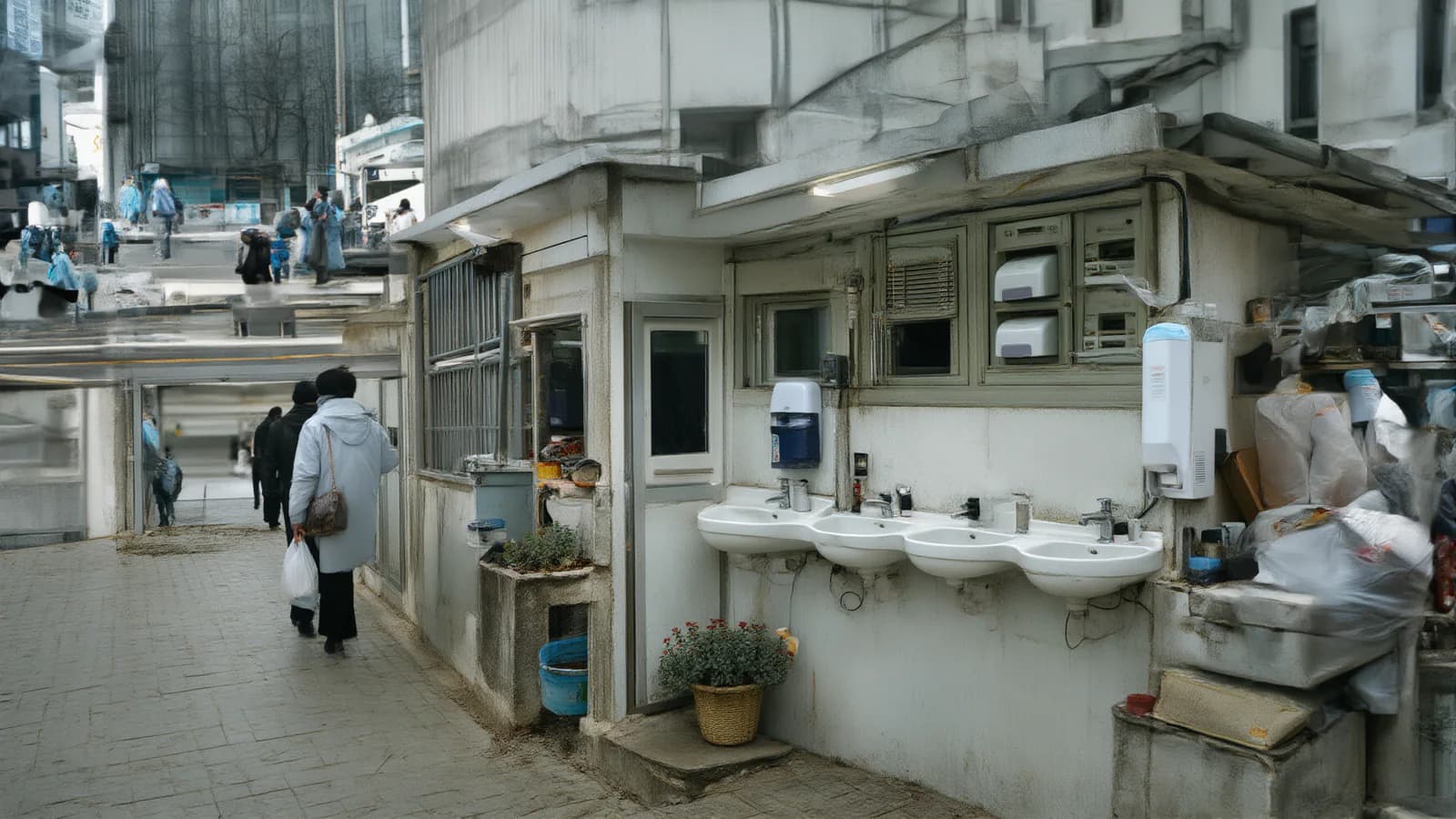
Public toilets in Korea are, overwhelmingly, free. Subway stations, department stores, government buildings, and large public facilities all carry them, usually marked with the Hangul sign 화장실 (hwajangsil) alongside the standard male and female icons. You don't need to read Hangul beyond that one word — once you can spot it on a wall or a directory board, a subway station gets you the rest of the way without much trouble.
The bar for "easy to find" is genuinely low here. Between a nearby subway concourse and a department store lobby, most city visits keep you within a short walk of a free option all day.
Should You Flush the Toilet Paper?
This one changes building to building, and the reason is plumbing, not custom. Older buildings with narrower pipes post a sign asking you to put used paper in the small bin beside the toilet instead of flushing it, since the pipes clog easily. No sign posted means you can flush as normal.
Look for the sign before you sit down, not after — it's usually taped to the stall door or the wall directly above the bin, and it's often in English as well as Korean at busier tourist locations. When you don't see one anywhere in the stall, treat the toilet as flush-as-usual.
Why the Stall Might Have No Paper At All
A layout that trips people up more than the flushing question: the stall itself sometimes has no toilet paper holder at all, or an empty one. Instead, a shared dispenser sits just outside the stalls, near the sinks or by the entrance, and you're expected to tear off what you need before going in.
Realizing this only after you've already sat down is the exact moment it becomes a problem. Get in the habit of checking the dispenser at the door on your way past, even when you don't think you'll need it yet — and keep a small packet of tissues in your bag as backup for the buildings that skip the dispenser too.
Subway Restrooms: Before or After You Tag In
Station restrooms aren't all in the same spot relative to the ticket gates. Many are placed on the free side specifically so anyone can use them without paying a fare, but a number of stations — often smaller or older ones — put the restroom on the paid side instead, reachable only after you've tagged your card.
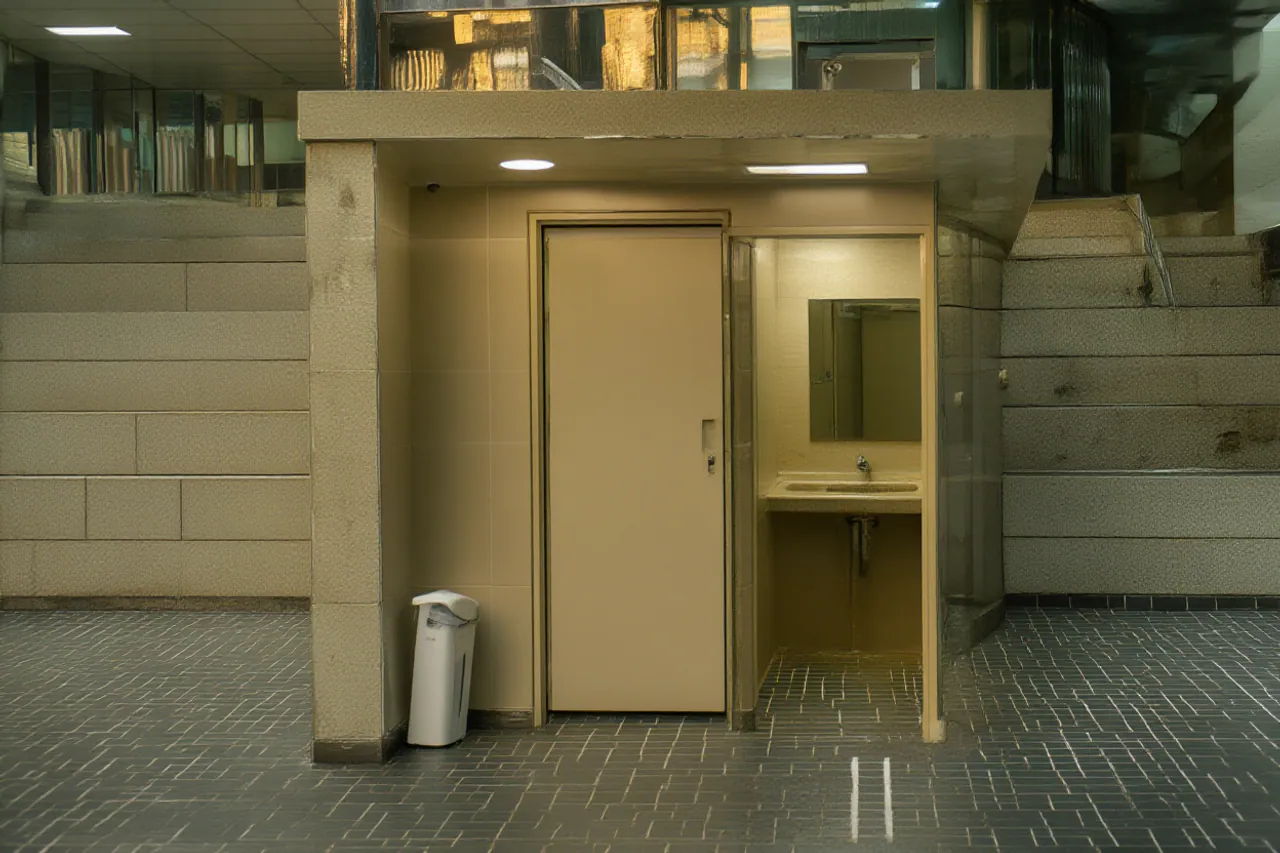
If you're not actually taking the subway and you spot the restroom sign pointing past the gates, don't guess — ask the station attendant at the gate line. Most will wave you through briefly for exactly this reason rather than have you tag in and out for a fare you don't need.
Sit-Down or Squat: Reading the Door Before You Open It
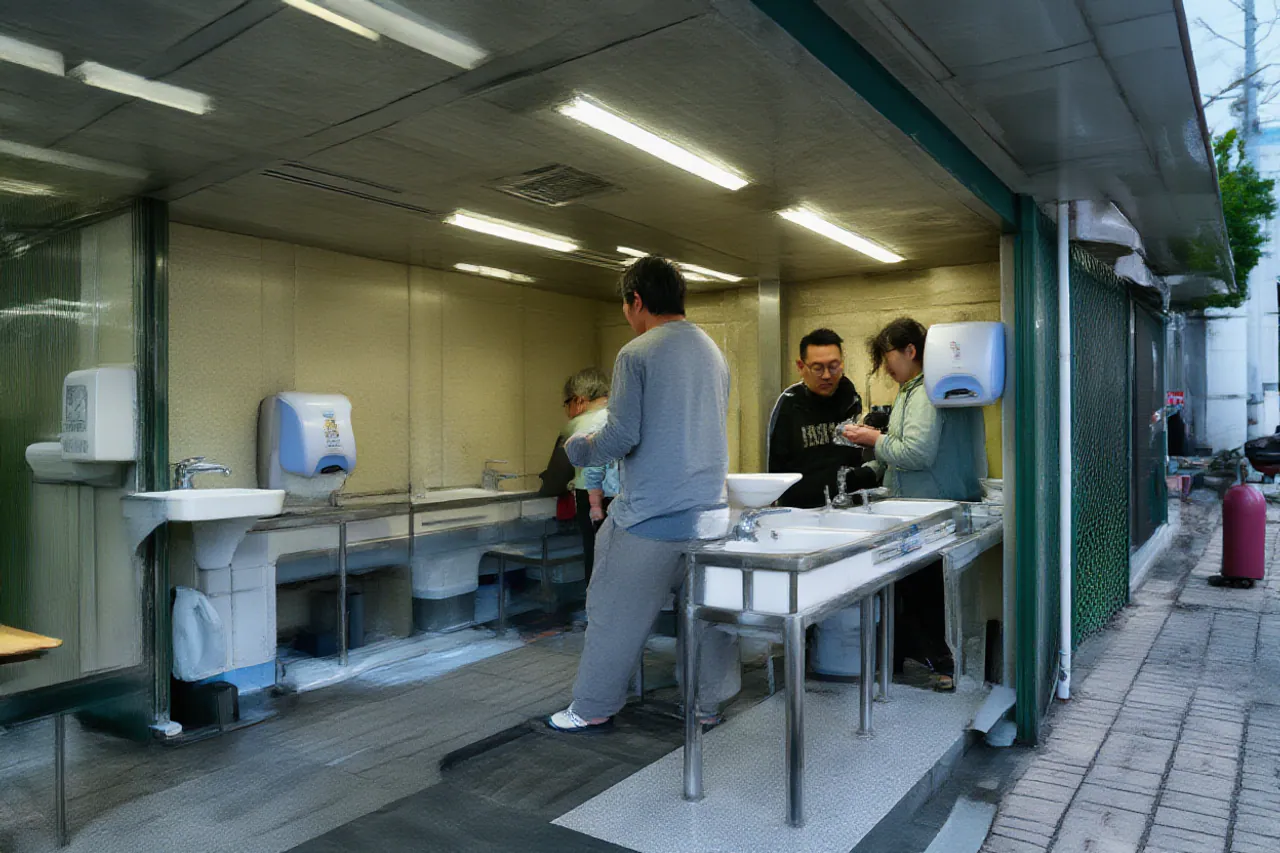
Squat toilets — a porcelain basin set into the floor rather than a raised seat — still appear in a portion of Korean public restrooms, usually mixed into the same row as regular sit-down stalls rather than replacing them entirely. Older buildings, some rest areas, and certain traditional-style venues are where you're most likely to run into one.
The useful habit is checking the door before you commit: stalls with a squat toilet typically carry a small icon showing the basin shape, distinct from the regular toilet icon on the door next to it. A quick glance at the icon saves you from opening the door mid-rush and having to pick a different stall.
Reading the Signage: Gender Icons, Floor Maps, and the Bidet Panel
Beyond the male and female icons, most larger buildings post a directory near the elevators or stairwell showing which floor has restroom access — worth a glance if the nearest door you find is locked or under cleaning. Separate accessible stalls and family restrooms, marked with a wheelchair icon or a parent-and-child icon, are common in malls, stations, and newer public buildings, usually as one dedicated stall rather than a full separate room.
Sit-down toilets frequently come with a bidet control panel mounted on the wall or the seat itself, and the button layout genuinely varies by manufacturer. The one shortcut worth remembering: the red button is almost always stop. If a jet of water catches you off guard, hit red first and sort out the rest afterward.
Locked Doors at Cafés and Convenience Stores: Check Your Receipt
Small cafés and convenience stores frequently keep their restroom locked with a numeric keypad, and the code isn't posted anywhere on the wall — it's printed on your receipt, and it typically changes with each transaction or each day. Ask staff if you can't find it, but check the slip first; it saves the trip back to the counter.
The mistake that actually happens: tossing the receipt in a nearby bin right after paying, then reaching the restroom door with no code and no idea where you left the paper. Hold onto it until you're done, or take a photo of it if you're going to want your hands free.
The Coin Myth: Paid Toilets Are the Exception, Not the Rule
Some travelers arrive expecting to need coins on hand for restrooms the way a few European cities require. In Korea, that's mostly not the case. Paid facilities exist at a handful of specific tourist attractions and at highway rest stops along intercity routes, but inside cities, the restrooms you'll actually use — stations, malls, public buildings — are free.
If a fee does apply somewhere, it's usually a small, clearly posted amount at the entrance rather than a citywide norm, and confirming ahead through the official tourism sites below is the safer move than assuming either way.