

A home LED mask sold at Olive Young and the LED array built into a clinic's treatment table both work on the same basic principle — light at a specific wavelength aimed at skin — and that surface similarity is exactly why the two get treated as interchangeable. They aren't, and the gap between them is regulatory as much as it is practical.
The one-line rule: maintenance goal is home-use, structural change is a clinic
Here's the distinction stated plainly: a home device is generally built and licensed for maintaining or lightly touching up how skin looks, not for producing a structural or lasting change to it. A clinic device is operated by trained staff at a higher regulated output aimed at a measurable structural effect, under a category of regulation a home consumer product doesn't fall under.
This split, not the price tag or how sleek the packaging looks, is what actually separates the two categories. A home LED mask and a clinic's LED-array treatment table share a mechanism, but the clinic version is licensed to run at an intensity aimed at changing tissue — the home version is designed to maintain a result someone already has, not create one from a lower baseline.
Comparison table: output, licensing, operator, session time, cost, and upkeep
Output and intensity. Home devices run at a lower regulated output; clinic devices run at a higher regulated output, tested and licensed for that range. Licensing category. A home device is regulated as consumer electronics or, if certified, a lower-risk medical device class; a clinic device sits under stricter medical-device licensing tied to professional use. Who operates it. Home devices are self-operated, on your own skin and schedule; clinic devices are operated by trained clinic staff. Session time. A home device session is typically short — a few minutes, used daily or a few times a week; a clinic session is scheduled less often but generally runs longer per visit. Typical cost. A home device is a one-time purchase with a comparatively low per-use cost over time; a clinic session is priced per visit, generally higher per single session. Upkeep. A home device needs personal maintenance — cleaning, the occasional replacement part; a clinic device is maintained and calibrated by the clinic as part of its own operations.
A home device box sometimes lists a "power" specification that sounds impressive next to a clinic machine's spec sheet, but the two numbers aren't tested on the same scale or under the same regulatory standard — a bigger number on a home box doesn't translate to clinic-equivalent strength.
What each home device type actually claims: LED, microcurrent, RF, ultrasound
LED devices are light-based and marketed for calming or brightening skin's appearance with regular, ongoing use rather than a one-time visible change. 미세전류 (microcurrent) devices apply a low-level electrical current, marketed for a temporary toning or lifting sensation rather than a lasting structural lift — a genuinely different mechanism from the clinic-grade equipment sometimes displayed on the same store shelf under a similar-sounding name.
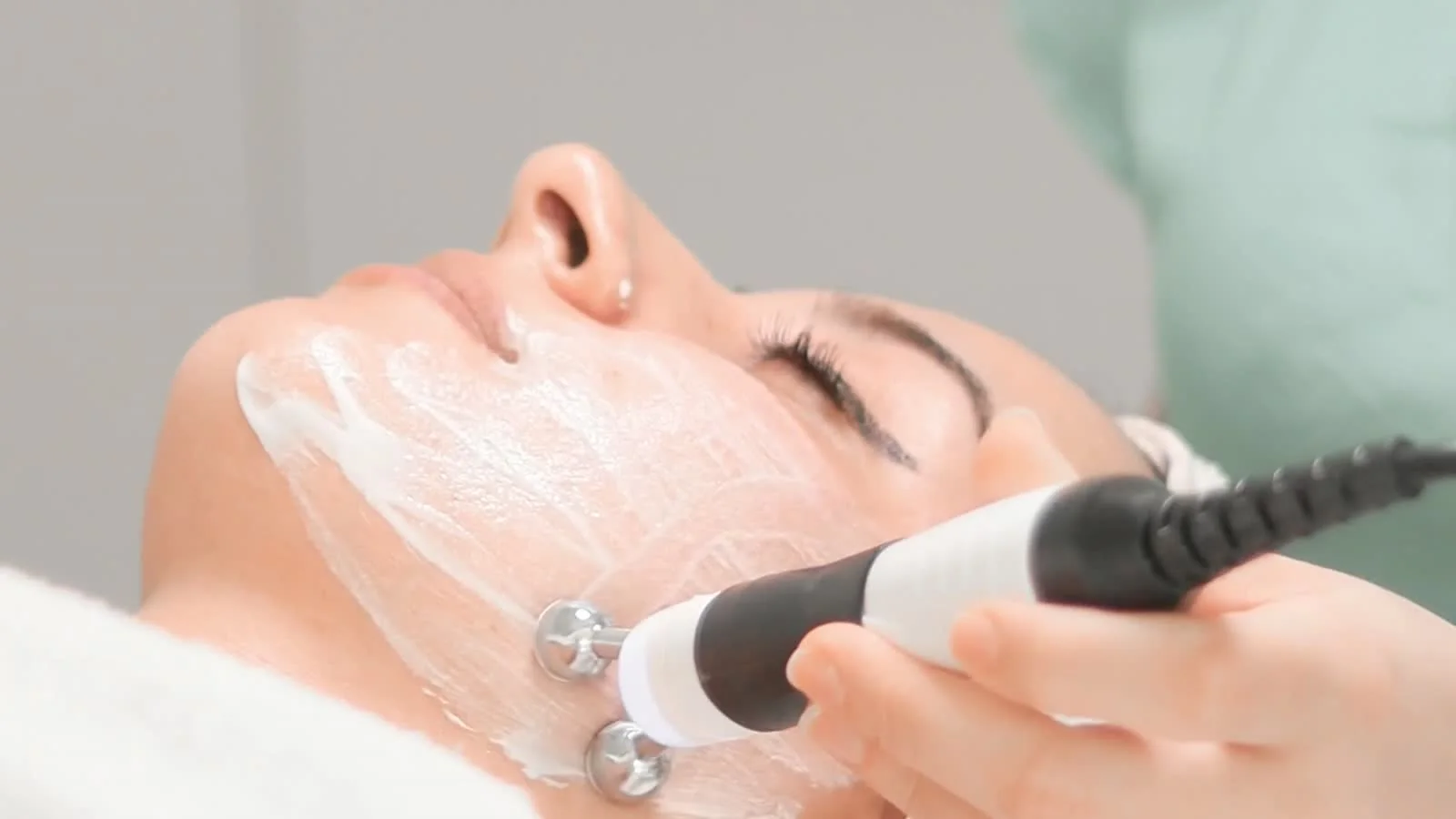
RF (radiofrequency) and ultrasound home devices are marketed for firming with regular use, and both borrow their technology name directly from the higher-output clinic versions of the same equipment. Sharing a name with a clinic technology doesn't mean sharing its output or its regulatory classification — the home version is a separate, lower-intensity product built for a different kind of routine.
Checking whether a product is a registered medical device or just a consumer gadget
A genuine medical device (의료기기) in Korea requires MFDS registration, and a device that has gone through that process carries a specific certification mark or registration number somewhere on the box or product page. A product labeled only as a "beauty device" or sold as general consumer electronics hasn't gone through that same regulatory review, regardless of how the marketing describes it.
Language borrowing clinic terminology — "clinical-grade," "medical-level," or a technology name shared with a hospital machine — doesn't by itself indicate medical device status. Checking for the actual registration mark or number is the only way to confirm it, not reading the product description more closely.
Voltage, plugs, and warranty: using a 220V Korean device back home
Korea runs on a 220V electrical standard with round two-pin plugs, commonly called Type C or Type F. A device bought in Korea generally needs a plug adapter to physically connect anywhere with a different plug shape, and depending on whether the device auto-switches voltage internally, it may also need a separate voltage converter to run safely on a different electrical standard.
Manufacturer warranty and authorized service are typically limited to Korea, with no guaranteed repair or replacement support once the device leaves the country. Check the specific device's voltage compatibility and warranty terms before buying if either matters to you, since neither is standard across every brand or model.
When buying one in Korea makes sense, and current price ranges
Buying in Korea tends to make the most sense for a model that isn't sold, or isn't competitively priced, back home — checking that before you buy avoids paying Korea prices for something already sitting on a shelf near you. As of July 2026, a home LED mask commonly runs somewhere around ₩150,000 to ₩450,000 depending on the brand and coverage area, microcurrent devices often fall around ₩100,000 to ₩300,000, and home RF or ultrasound devices tend to run higher, commonly ₩300,000 to ₩800,000 or more. Confirm current pricing at the specific retailer, since these bands shift with new model releases.
Duty-free purchase and in-store instant tax refund can apply to a beauty device the same way they apply to skincare, provided the spend threshold and export conditions are met — worth checking at the register rather than assuming a device automatically qualifies the way cosmetics do.
Red flags: guaranteed-result claims and using a device on freshly treated skin
Marketing claiming guaranteed or permanent results from a home device is a red flag regardless of the category — LED, microcurrent, RF, or ultrasound, none of them are licensed or tested to promise a specific, lasting outcome for an individual user. A device claiming to replace a clinic procedure entirely is overstating what a lower-output, self-operated tool is built to do.
Using any home device on skin that recently had a clinic laser, peel, or injectable should be cleared with the treating doctor first, not decided from the device's own home-use instructions alone — those instructions are written for typical use, not for skin still recovering from a separate procedure. When in doubt about timing, ask the doctor who performed the clinic treatment before reaching for a home device on the same area.