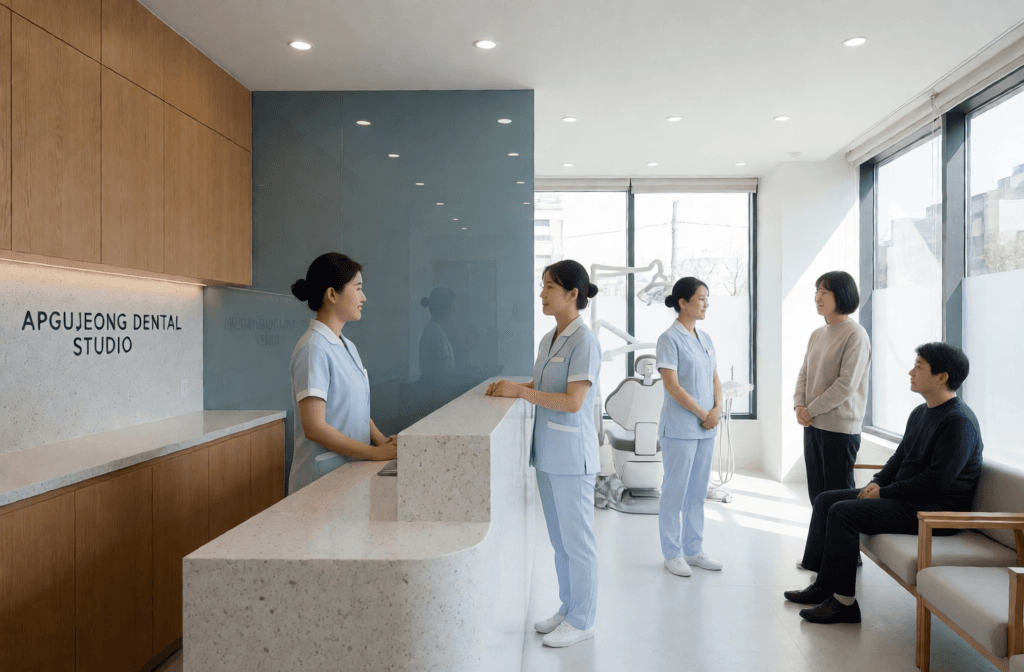
"Skin booster" and "laser toning" get used almost interchangeably in casual conversation, which becomes a problem the moment you're deciding what to actually book. One is delivered by needle; the other by a machine passed over your skin — and that difference shapes almost everything else in this article.
What skin boosters and laser toning actually are, and how they differ
Skin boosters are injected substances delivered under the skin at multiple points across the treated area. Common categories include hyaluronic-acid-based and PDRN (polynucleotide) injectables, each with its own approved use — ask which category applies to the specific product proposed for you. Laser toning, by contrast, is an energy-based device passed repeatedly over the skin's surface with no injection involved.
These are two different delivery methods aimed at overlapping concerns — texture, tone, hydration — not two names for the same procedure, even though clinics sometimes market them in the same breath. Neither method is categorically "better" than the other; each works through a different mechanism, and a clinic may offer one, the other, or both depending on what's being addressed. Suitability for your specific skin and goals is a consultation question, not something a general article can answer.
Who is and isn't a typical candidate
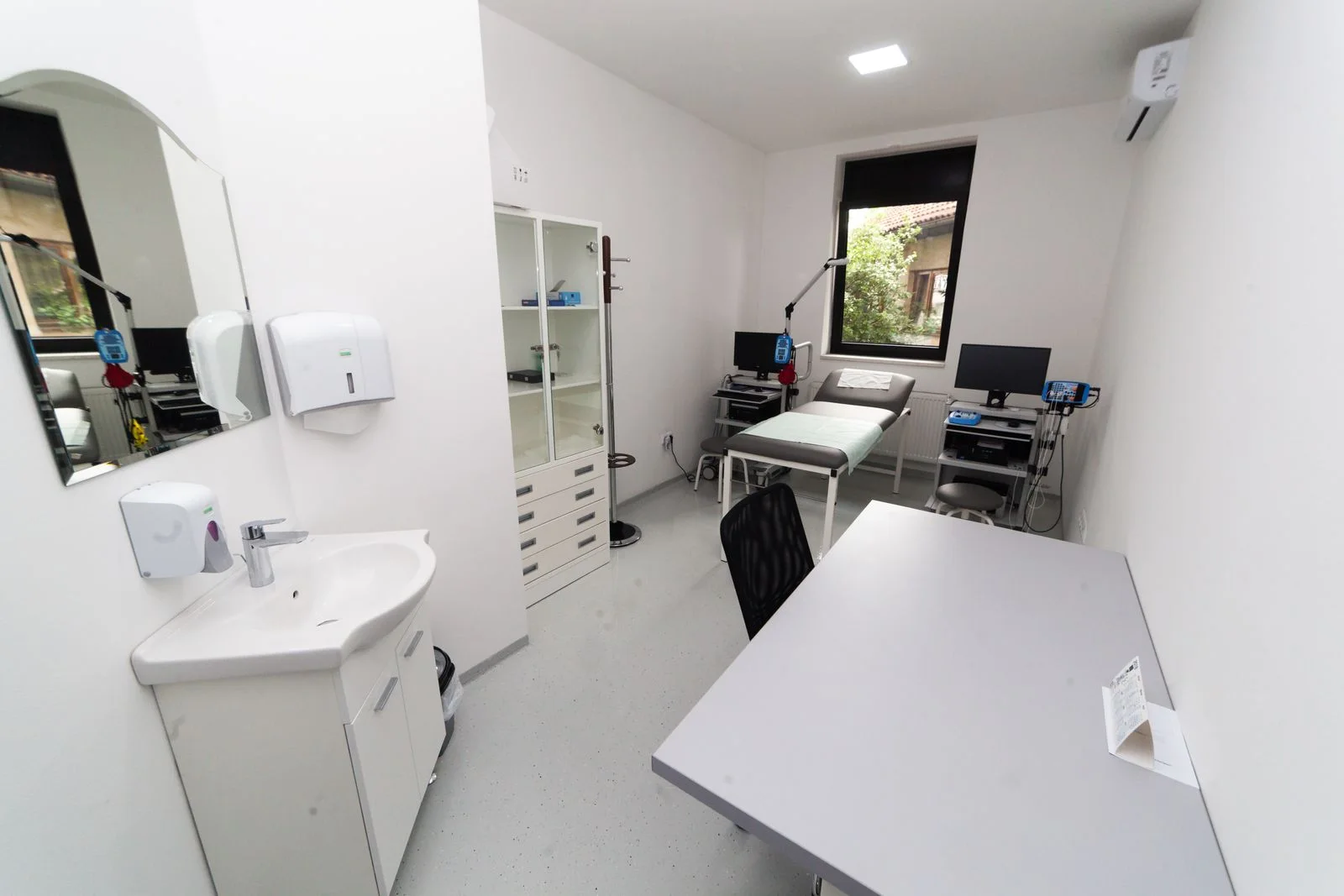
A short list of factors is worth disclosing to the doctor rather than self-screening at home: pregnancy, active skin inflammation or infection, certain medications such as blood thinners, and any other procedure performed recently in the same area. None of these automatically rules a person out — they're what the clinic weighs at consultation to decide whether, and how, to proceed.
If you've had a filler or another injectable in the treated area recently, ask specifically how much time should pass before a skin booster or laser session. That's a spacing question for the doctor to answer based on what was used and where, not something to estimate on your own from a general rule.
What happens during one session
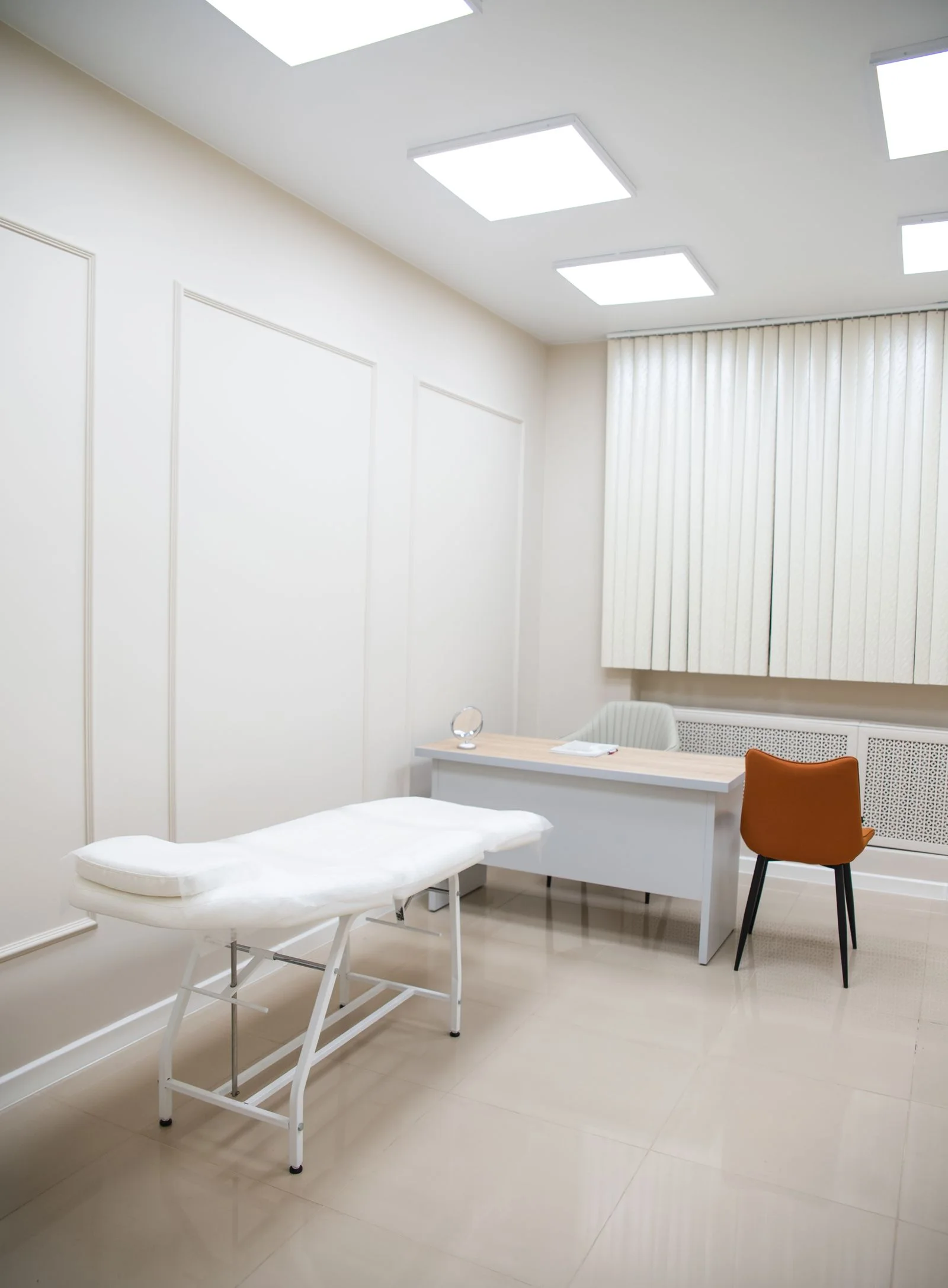
A typical session involves numbing cream, if used, applied with a short wait time for it to take effect, followed by the injection or laser pass itself, and immediate aftercare instructions given on-site before you leave. Laser toning is usually delivered as multiple passes over the treatment area rather than a single sweep. Session duration is best treated as a range rather than a fixed number, since it depends on the area treated and the specific device.
The numbing-cream wait time is easy to overlook when planning your day — if you were told the treatment itself takes thirty minutes, the actual time in the clinic, numbing included, can run noticeably longer. Ask specifically whether numbing cream is included in the session price or billed as a separate item, since clinics differ on this.
How many sessions, and how far apart
Both approaches are typically done as a series rather than a single visit, with the interval between sessions set by the clinic based on the specific product or device being used. The visible change usually builds gradually, as the skin responds and remodels over multiple sessions and weeks, rather than appearing immediately after the first one — a realistic expectation worth setting before you start, not after one session leaves you underwhelmed.
If you're planning multiple sessions within one Korea trip, that spacing needs to be built into your visit schedule in advance, since the interval between sessions isn't something a clinic will compress just to fit a shorter stay.
What to expect right after — and why it varies by person
Redness, small injection marks, or mild swelling are possible immediate reactions to either method. How long these last and how noticeable they are varies by individual, and the treating doctor is the one to confirm what's typical for your specific case — no fixed number of days applies universally.
Ask what aftercare products or restrictions apply for the following days, particularly around sun exposure and makeup, since whether you can cover the area cosmetically that same afternoon depends on the specific procedure and area treated. If you have a photographed event or a formal occasion later that day, raise this before you book the appointment time, not after you've already arrived.
Questions to ask before you commit to a package
Ask what specific product or device model is being used, and whether it carries the relevant device or drug approval — this article won't name a specific brand as "the standard" without a verifiable source, and a clinic presenting only one option as the sole real choice is worth questioning further. Ask who actually administers the injection or operates the laser: the doctor personally, or delegated staff. Laser treatment performed in a medical clinic is a medical procedure in Korea, distinct from the non-medical esthetic services covered in where cosmetics stop and medical treatment starts.
Ask about refund or carry-over terms before paying for a multi-session package, specifically what happens to unused sessions if you leave Korea before completing them. This question is easy to skip at a first consultation and expensive to have skipped if your trip runs shorter than planned.
Cost ranges and how session packages are usually structured
As of July 2026, a single skin booster or laser toning session in Korea is commonly discussed in a range of roughly ₩150,000–₩400,000, and a multi-session package — often three to five sessions — in a range of roughly ₩500,000–₩1,200,000. Treat both as planning brackets only, not a quote, and confirm the actual figure through the clinic's own itemized quote before you commit to anything.
Per-session pricing and multi-session package pricing are often different per-unit prices, so ask the clinic to show both figures side by side; that's the only reliable way to see how much the per-session cost actually drops inside a package. Fitting multiple sessions into one trip affects your total visit length — see how many days to stay in Korea for how that factors into flight planning, rather than repeating that calculation here.
Sources
- Ministry of Food and Drug Safety (MFDS, English)
- Medical Korea (KTO/KHIDI) — official medical tourism portal
- HIRA — Health Insurance Review & Assessment Service (English)
This article describes the general procedure, not a personal recommendation to have it done — suitability is a consultation question for the treating doctor. Once you've settled on a clinic and package, booking a Korean clinic walks through the reservation and deposit steps. Reviewed 28 July 2026.