

Two storefronts, two menus that both use the word "skin," and two entirely different sets of rules governing what the person behind the counter is allowed to do to you. The distinction isn't about how upscale either one looks.
The one-line rule: if it breaks skin or uses a prescription, it's medical
Here's the rule stated up front: a device that penetrates skin, an injection, or a prescription drug is medical practice, restricted to licensed medical personnel. Surface-level cleansing, massage, and topical product application, by contrast, can legally be offered by a non-medical esthetician.
This one distinction, not the price charged or how clinical the setting looks, is what actually separates the two. A surface-level device marketed as a "laser treatment" at a spa and a skin-resurfacing laser at a clinic can share a brand name in advertising and even sit in similarly styled rooms. The deciding fact is what the device actually does to skin, not which marketing category it's filed under.
This matters more in Korea than the general idea might suggest, because the two industries sit physically close together. Gangnam and other beauty-heavy districts mix esthetic salons, dermatology clinics, and plastic surgery centers on the same blocks, sometimes the same buildings, all advertising skin-related services in similar visual language. Proximity and shared vocabulary make the legal line easy to lose track of unless you're actively checking for it.
Comparison table: who can do what, under which rule
Provider type and license. An esthetic salon operates under general business or public-health licensing. A medical clinic operates under medical-practice licensing, issued specifically to physicians and the staff working under their supervision.
Permitted actions. A salon can cleanse, exfoliate at a surface level, massage, and apply topical products. A clinic can additionally inject, prescribe, and use devices that penetrate or resurface skin.
Equipment allowed. A salon's equipment stays at the skin's surface — steamers, extraction tools, LED panels, ultrasonic cleansing devices. A clinic's equipment can include lasers that resurface or penetrate, needles, and prescription-grade topical treatments.
Aftercare responsibility. A salon's aftercare is typically a product recommendation and general advice. A clinic's aftercare is a physician's responsibility, including monitoring for complications a topical product would never need to account for.
Typical cost structure. A salon session or package is usually priced flat per visit or per bundle. A medical procedure's cost structure more often separates a consultation fee from the procedure itself, itemized per treatment.
Put simply: an esthetician's license covers surface treatments only, while procedures that break skin or use prescription substances require a medical license regardless of where they're offered or how the room is decorated.
None of these five rows depend on how the business describes itself in advertising. A salon can call a facial "clinical-grade" and a clinic can keep its waiting room looking exactly like a spa; the license type behind the counter, not the marketing vocabulary in front of it, is what actually governs which of these rows applies.
Why the signage and the storefront don't tell you which one you're in
Words like "clinic," "center," or "skin" in a storefront name aren't reserved exclusively for actual medical facilities in the way some visitors assume. A shop can legally call itself a "skin management center" with no medical license on staff at all, and the English word "clinic" in signage isn't a protected medical term the way it might be assumed to be.
The way to actually confirm which one you're in is to ask directly whether a licensed physician performs the procedure, and to look for displayed medical business registration rather than relying on the shop's English-language branding or how polished its interior looks.
A genuine medical clinic in Korea is required to display its business registration and the names of its licensed practitioners somewhere on the premises, usually near the reception desk. It's a reasonable, low-friction thing to glance at while checking in, and a legitimate clinic won't treat the question as unusual or intrusive.
Which side your concern belongs on
Cosmetic-appropriate concerns include occasional dryness, dullness, temporary congestion, or simply wanting a relaxing treatment with no specific problem to solve. These are reasonable reasons to book an esthetic session and expect a genuinely useful result from one.
Medical-appropriate concerns include recurring acne, changing pigmentation, scarring, or anything that would require a device breaking skin to address. "It keeps coming back even though I changed my routine" is the specific kind of sentence that should point toward a clinic consultation instead of another esthetic package aimed at the same unresolved issue.
There's a useful middle test for anything that doesn't obviously sort into either category: has a topical, surface-level approach already been tried, consistently, without improvement? A concern that persists despite a reasonable product-based effort is a stronger candidate for a medical opinion than one you haven't actually attempted to address with skincare yet.
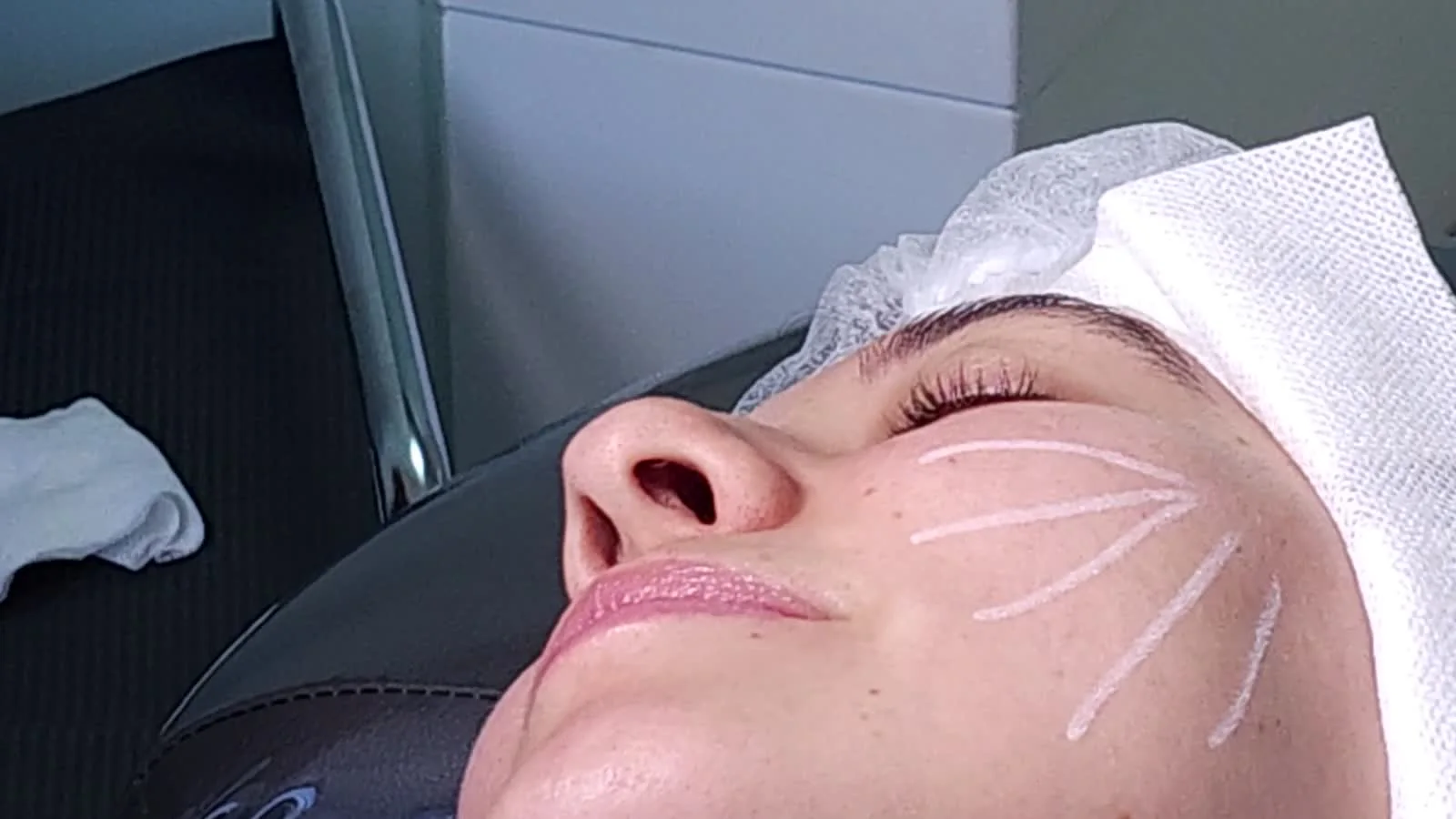
What to bring if you're moving from cosmetic to medical
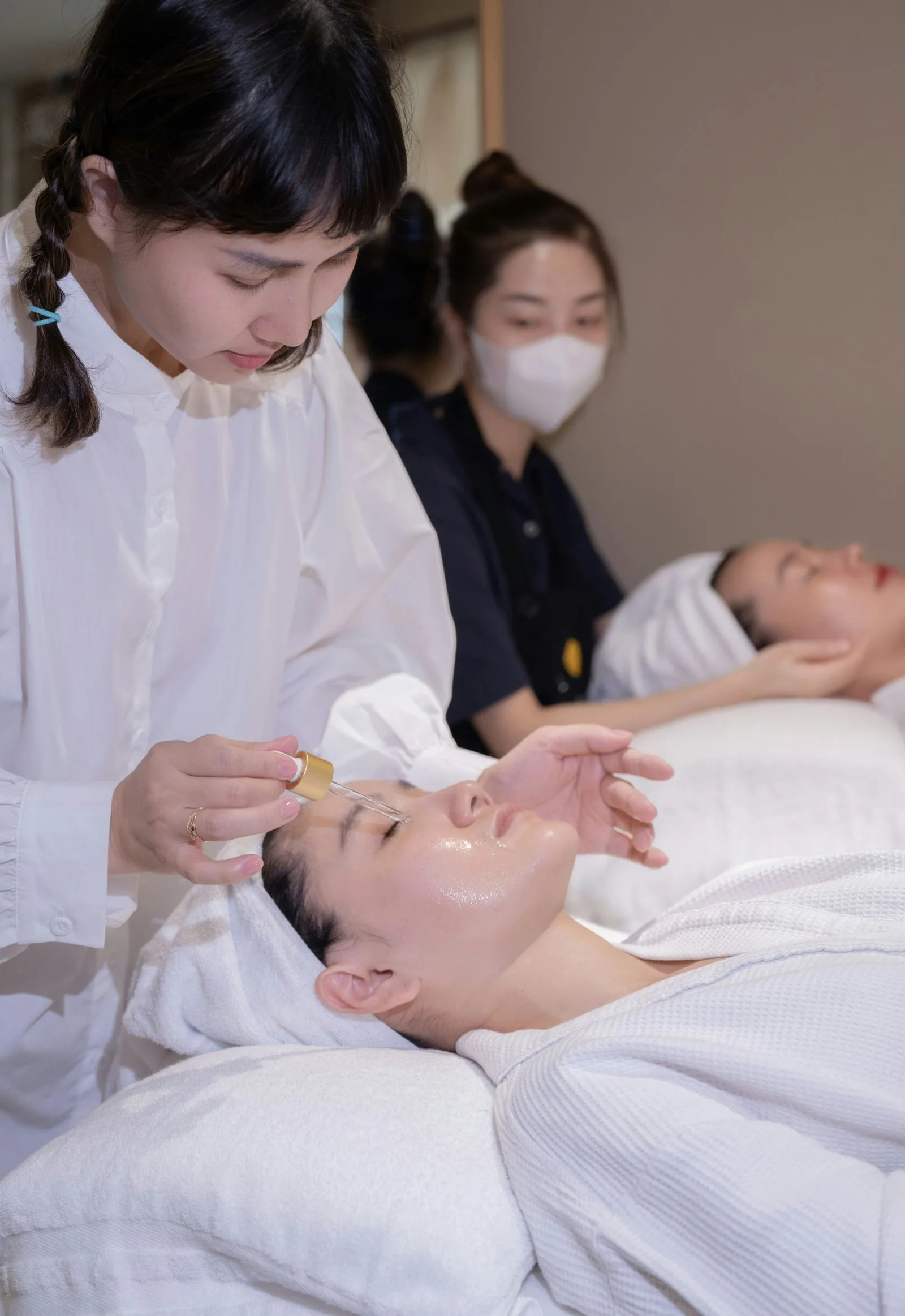
Bring your current product and ingredient list, since what you're already applying can interact with what a clinic might recommend or perform. A doctor planning a procedure benefits from knowing exactly what's already on your skin, not a general description of "my usual routine."
Bring a medication list and allergy history, and disclose any recent esthetic treatments even if they feel unrelated or minor. A recent chemical exfoliation at a salon can matter to a doctor planning a laser session days later, so mention it rather than assuming it's too small a detail to bring up.
None of this needs to be a formal document. A photo of your product shelf, a note-app list of medications, or simply a clear verbal account at intake all work, as long as the information actually reaches the clinician before a decision is made about what procedure fits your skin that day.
Language that should make you slow down on either side
Guaranteed-result phrasing is a signal to slow down regardless of which side of the line you're on — cosmetic or medical, no legitimate provider can promise a specific outcome for your individual skin. Comparisons implying a cosmetic product or service equals a medical outcome deserve the same skepticism.
"Just as good as," "same results as," or a before/after photo used to sell a cosmetic package are the exact phrases that blur this line on purpose. Pressure to decide on a medical procedure during the same visit as the initial consultation is another signal worth pausing on, since a reputable clinic generally doesn't need same-day pressure to make its case.
A useful habit on either side is asking what specifically produced a before/after result shown to you — the product being sold, a professional treatment performed alongside it, lighting, or makeup applied for the "after" shot. A provider willing to answer that plainly is a different kind of provider than one who changes the subject.
How package and membership language differs between the two
A cosmetic package or membership is typically a set of prepaid sessions sold under salon terms, with cancellation and refund logic set by that business's own policy. A medical treatment course works differently: informed consent is obtained per session, not just once at the start of a bundle.
The word "package" isn't used the same way on both sides of this line. A prepaid cosmetic membership and a multi-session medical treatment plan both get called a "package" in casual conversation, but only the medical version legally requires fresh, session-by-session consent rather than a single signature covering everything purchased upfront.
That difference has a practical upside for anyone booking a medical treatment course: it's normal, not rude, to ask questions again at each visit even if you already asked them at the first one. Consent that has to be renewed session by session exists specifically so a change in your condition, or a change of mind, has somewhere to go before the next procedure happens.