

The machine looks clinical enough — a chin rest, a bright light, a printout full of percentages. What it's actually doing is closer to a fitting room mirror than a diagnostic tool, and knowing which one you're dealing with changes how much weight to put on the result.
What a free skin analysis actually is
In one line: it's a camera- or sensor-based measurement used as an in-store consultation tool. It's typically offered inside a retail store or a brand's own space, not inside a medical clinic, and it's built to guide you toward a product, not to examine a health condition.
The device is usually the same consultation tool a brand runs across many of its stores, a sales aid rather than a certified diagnostic instrument. That doesn't make the reading useless — it's just aimed at a different question than the one a dermatologist's exam is built to answer.
Most versions work the same basic way: a few seconds under a specialized camera or against a handheld sensor, followed by a printed or on-screen summary a few minutes later. No skin contact beyond the sensor itself is usually involved, and nothing about the process resembles a medical procedure — no needles, no numbing cream, no consent form to sign.
What the numbers on the printout mean
Typical categories measured include moisture, oil, pore visibility, pigmentation, redness, and elasticity, usually presented as a score or percentage per category. Those scores are relative and comparative to the device's own internal reference range, not a fixed medical unit that means the same thing on every machine.
That has a practical consequence: two different machines at two different counters can score the same face differently on the same day. A "low" moisture reading compares your skin to that specific device's own baseline, so a number that looks alarming at one counter isn't necessarily consistent with what a different machine would show an hour later.
Elasticity and pore-visibility scores tend to draw the most attention on a printout, since they're often illustrated with a magnified close-up image alongside the number. That image is genuinely useful for spotting things like uneven texture or enlarged pores in a specific zone of the face, even while the accompanying score itself stays a relative, device-specific figure rather than an absolute one.
Why this isn't a diagnosis, and who's reading the result
The person explaining your results is typically retail or beauty staff, not a licensed medical professional. The analysis flags product-fit signals — which serum or moisturizer might suit what the scan picked up — rather than identifying a medical skin condition.
A measurement session and a clinical exam are different processes carried out by different people for different purposes. Staff are trained to sell against the printout, which is a different job entirely from a dermatologist reading a clinical exam; the same redness reading might prompt a product recommendation at one counter and no comment at all somewhere else.
None of this means the staff explaining your results are being dishonest. Their role is genuinely to match a scan to a product line, and most are upfront about that if you ask directly what the session is for. The confusion usually comes from the format — a device, a printout, a percentage — borrowing the visual language of a medical check-up without actually being one.
Booking one: walk-in vs. appointment, and what it costs to say no
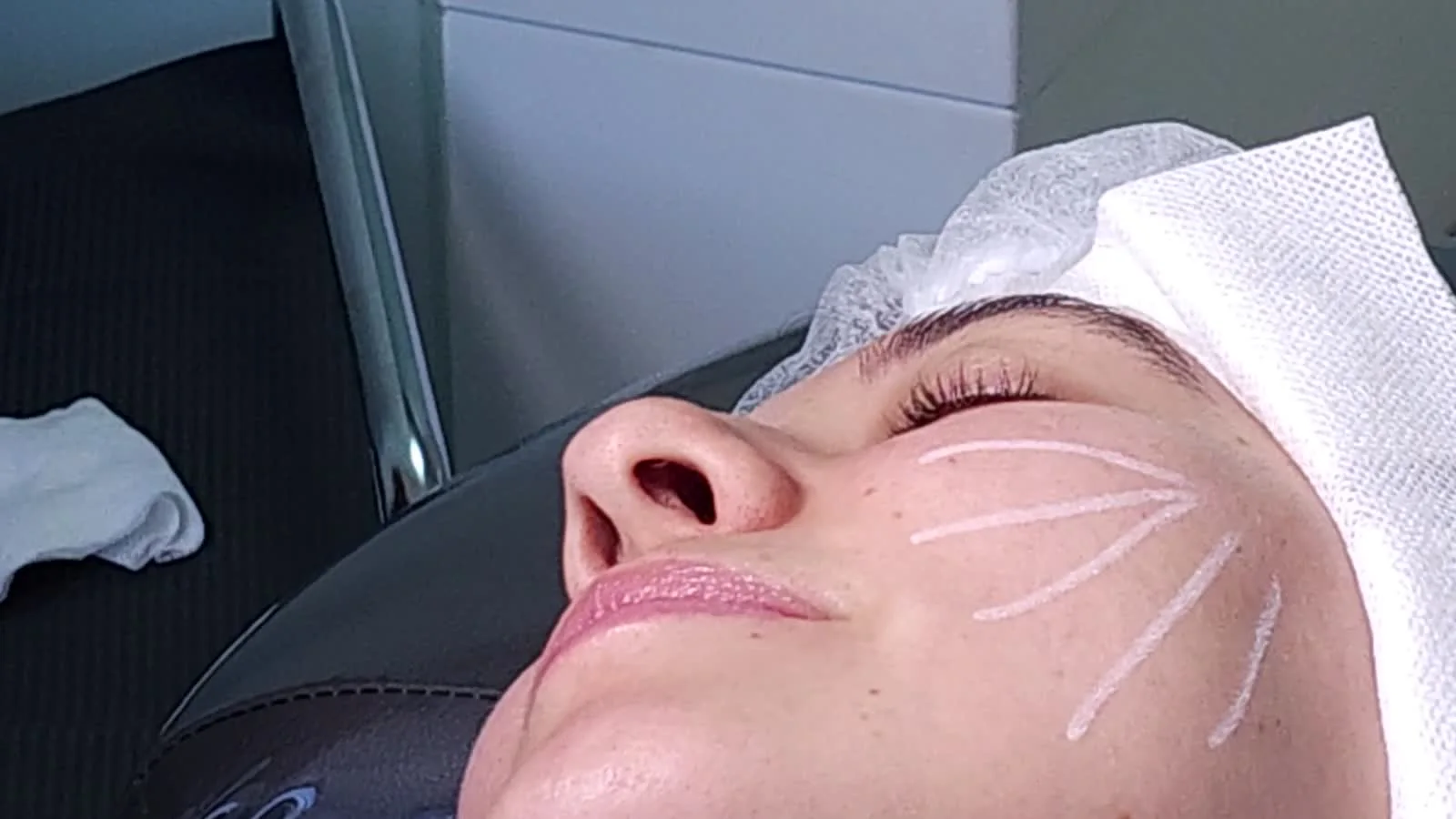
Larger flagship stores and brand spaces often take walk-ins for this kind of scan, while smaller counters or specific brand events may need a reservation. A typical session runs fairly short, often well under half an hour including the consultation that follows the scan itself.
"Free" means no purchase obligation, even if the follow-up pitch feels like it's nudging toward one. Some counters ask for a phone number or an app sign-up before scanning your face — that's a marketing capture step, not a requirement to receive your results, and it's fine to decline it if you'd rather not hand over contact details for a five-minute scan.
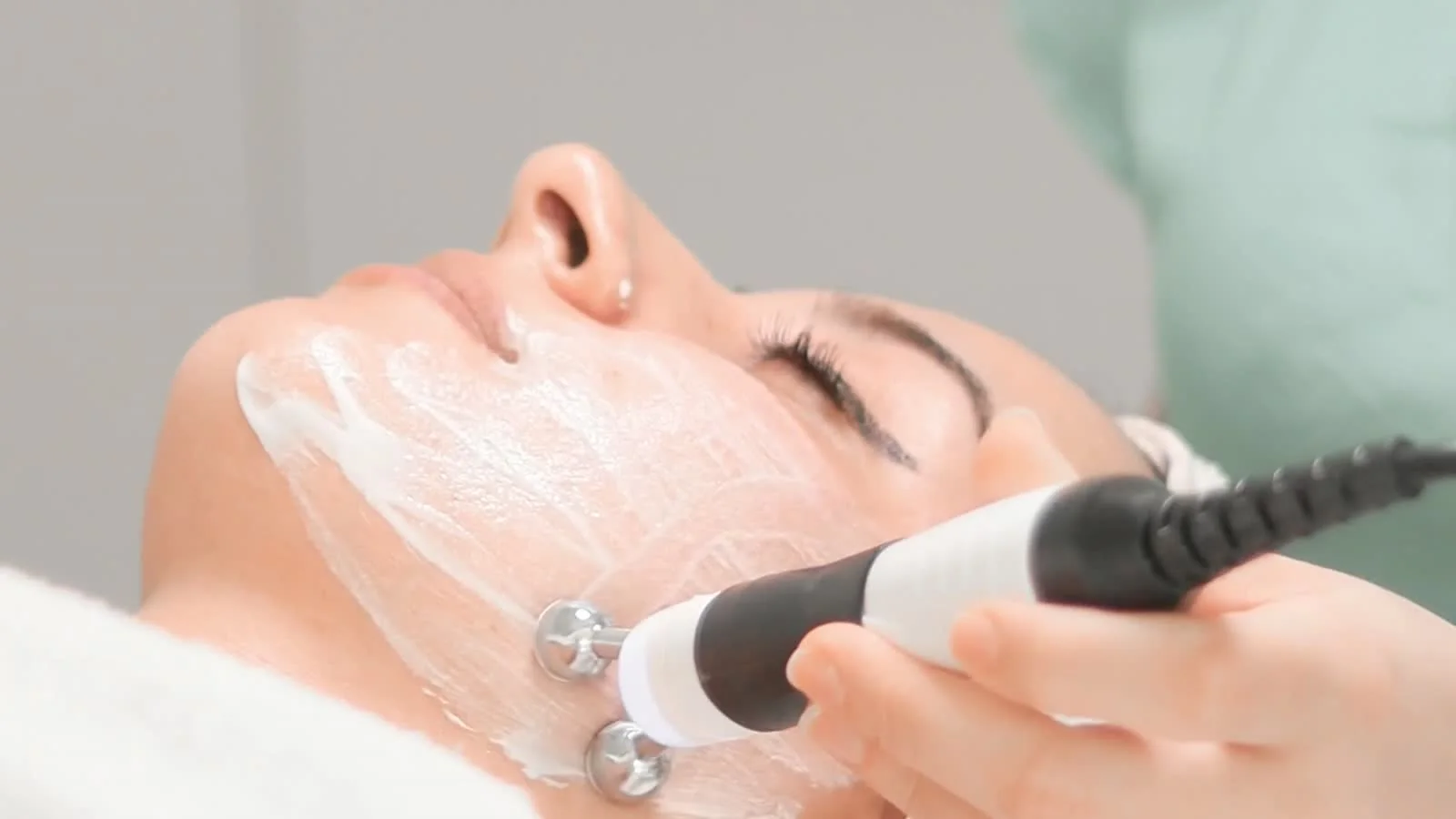
When the same concern needs a clinic instead of a counter
Some signals point toward medical care rather than a product fix: persistent inflammation that doesn't settle, pigmentation that keeps worsening, pain, or a mole or lesion that's visibly changing. These aren't things a store scan is built to evaluate, no matter how detailed the printout looks.
Other concerns reasonably stay in cosmetic territory — general dryness, dullness, or a straightforward question about which product fits your skin type. If a staff member's own advice is "you should see a dermatologist about that," it's worth taking seriously. It's one of the few moments a sales consultation defers to medicine on its own, rather than trying to sell you something for it.
Drawing that line doesn't require guessing on your own. If a scan flags something and you're unsure which side of it falls on, describing the result to a pharmacist or asking directly at the counter whether the reading is something a store product would typically address is a reasonable next step before deciding whether a clinic visit is warranted.
Keeping the result: reprint, comparison, and why the number moves
Ask whether the printout can be kept or photographed before you leave the counter; policies vary by store and it's a fast question to settle upfront. Once you have it, treat the specific numbers as a snapshot rather than a lab result you'd bring to a doctor.
Lighting, time of day, and what you applied to your skin beforehand all move the score. Scanning right after washing your face, or right after a rich moisturizer, swings the "hydration" number on its own, independent of any real change underneath. Re-measuring a week later isn't a fair before-and-after comparison unless those conditions roughly match the first scan.