

Ten steps sounds like a lot until you notice that four of them are optional. What follows explains why the order exists — removal before delivery, thin textures before thick ones — and then compresses the whole sequence into what a hotel bathroom counter can actually hold.
What you actually need before you start a Korean routine
A workable starting set is four bottles: a cleanser, a toner, a moisturizer, and a sunscreen. Serum, essence, and ampoule are additions once you know how your skin responds, not entry requirements. Buying all ten on the first afternoon, before testing a single one, is how a suitcase ends up half full of products that never get used again.
The "10 steps" figure that circulates online counts every possible layer a routine could theoretically include, not a checklist a shopper is expected to clear before breakfast. Treat it as an upper bound built for enthusiasts who already know which actives their skin tolerates, not a starting requirement for a first trip.
Airport security adds its own filter to that decision. A liquid, gel, or cream over 100ml (3.4oz) per container has to travel in checked luggage, and everything carried on has to fit inside one bag under a liter total. A ten-bottle haul bought on day one routinely fails that test on the way home, which is one more reason to start smaller and add only what earns its place over the trip.
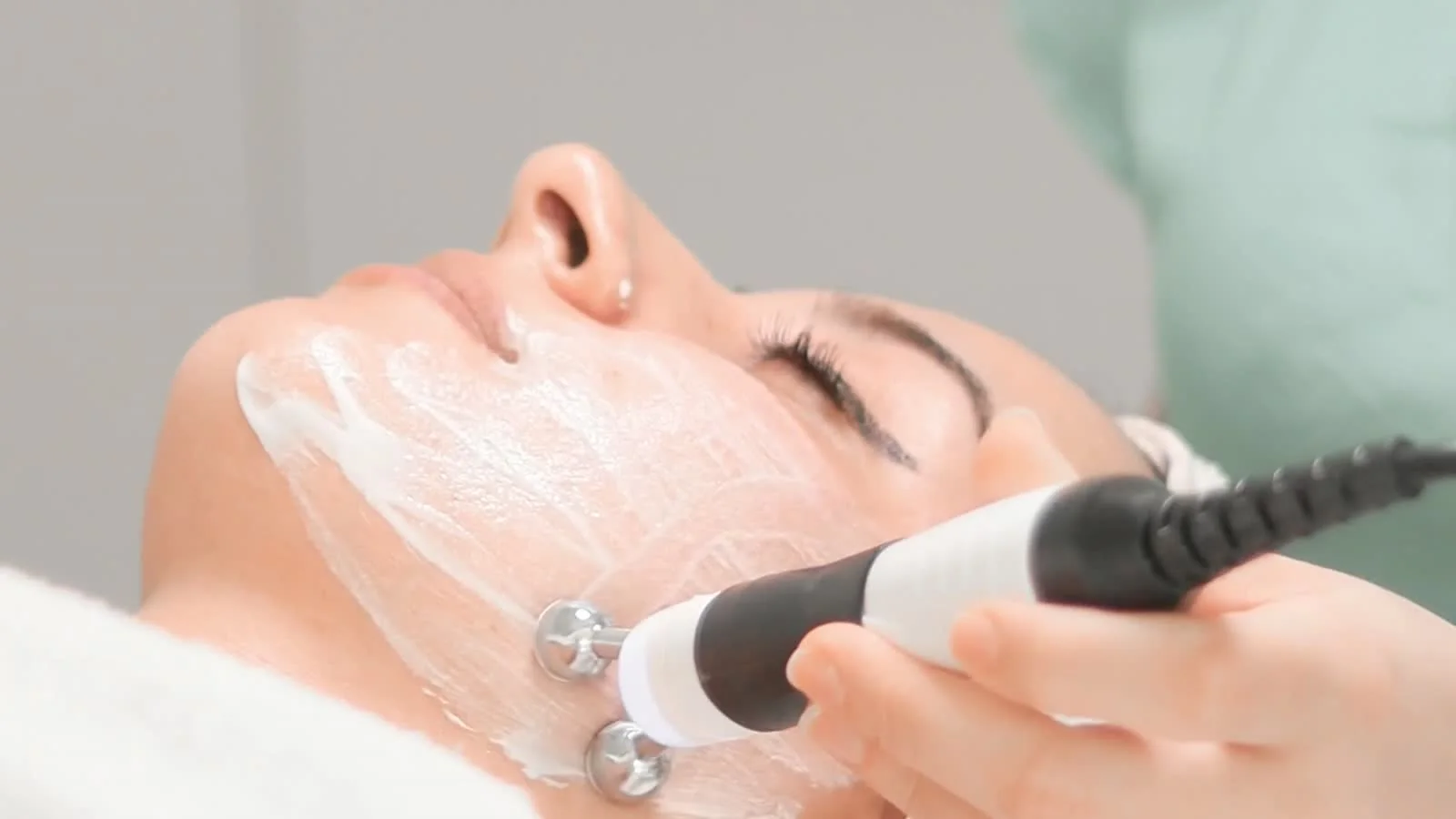
Double cleansing: oil cleanser then foam cleanser, and what each step removes
The two cleansers aren't doing the same job twice. An oil-based cleanser breaks down oil-based residue — sunscreen film, makeup, and the sebum that builds up over a day — because oil dissolves oil more effectively than water alone does. A foam or gel cleanser follows to lift the water-based residue left behind: sweat, dirt, and the emulsified film the oil step leaves on the skin's surface.
The sequence matters because oil-based residue sitting on skin blocks water-based toners and serums from absorbing evenly afterward. Skip the oil step entirely on a day with no makeup and no sunscreen worn; a single gentle cleanser handles that on its own. Visitors who cleanse only once regardless of what they wore sometimes notice a cotton pad still picks up a faint residue the next morning — that's leftover sunscreen the foam step alone didn't fully clear the night before.
The oil step doesn't have to be a runny oil. Balm cleansers and micellar-style waters do the same job in a form that travels a little more easily, since a balm sits solid in a jar until it's worked between warm palms. What matters for the order is the function — an oil-soluble first pass, then a water-soluble second pass — not the exact texture of the product doing it.
Toner, essence, serum, ampoule: what's actually different and what you can skip
Toner is thin and watery, and its job is rebalancing skin and prepping it to accept what comes next. Essence sits a step thinner than serum, carrying light hydration plus a low-strength active. Serum and ampoule run thicker and more concentrated, built around one specific concern such as brightening, hydration, or an uneven texture.
Store staff will often present all four as mandatory, sequential steps. In practice they layer onto two functions, hydration and active delivery, rather than four independent jobs. A beginner can drop essence and ampoule and lose nothing essential, since a toner plus a serum plus a moisturizer already cover both functions the missing two would otherwise handle.
Ampoule is worth naming separately, since the word gets used loosely. It's usually a serum concentrated further still, sold in a smaller bottle and meant for short-term, targeted use rather than as a permanent daily layer. Treat it the way you'd treat a course of anything strong: purposeful for a specific concern, not something to add simply because the shelf display suggested a fifth step.
The step order that trips people up: thin-to-thick, and where sunscreen goes
The general rule is to apply the thinnest texture first and the thickest last, so each layer can absorb before the next one seals it in. Sunscreen breaks that pattern in one specific way: it's the final step of the morning routine, not an early one, because it needs to sit on top of everything rather than get sealed underneath other products.
Some visitors apply sunscreen right after cleansing, treating "protect first" as an instinct worth following early. The result is a sunscreen layer diluted and partly blocked by every serum and moisturizer applied on top of it afterward, protection that looks complete on the label but isn't functioning as intended on skin. Reapply roughly every two hours in direct outdoor sun, and note that the PM routine has no sunscreen step in it at all.
Exfoliation and actives: what not to combine, and how often
An acid toner or a physical scrub belongs in the routine one to three times a week, not daily; daily exfoliation strips more than it treats. The bigger risk is combining two strong actives in a single session — a retinol-type product and an AHA or BHA exfoliant, layered together, is a common way to turn a routine into an irritation.
Patch-test anything new several days before a travel day, not on it. Stacking three "brightening" actives on the first night in a new country, with no history of how skin handles any of them, is one of the more common ways a trip gets disrupted by a reaction with no time built in to recover from it.
A patch test itself doesn't need to be elaborate: a small amount on the inner forearm, left on for the better part of a day, checked for redness, itching, or bumps before the same product goes anywhere near the face. It's a five-minute habit that's easy to skip while packing and genuinely inconvenient to need on day two of a short trip.
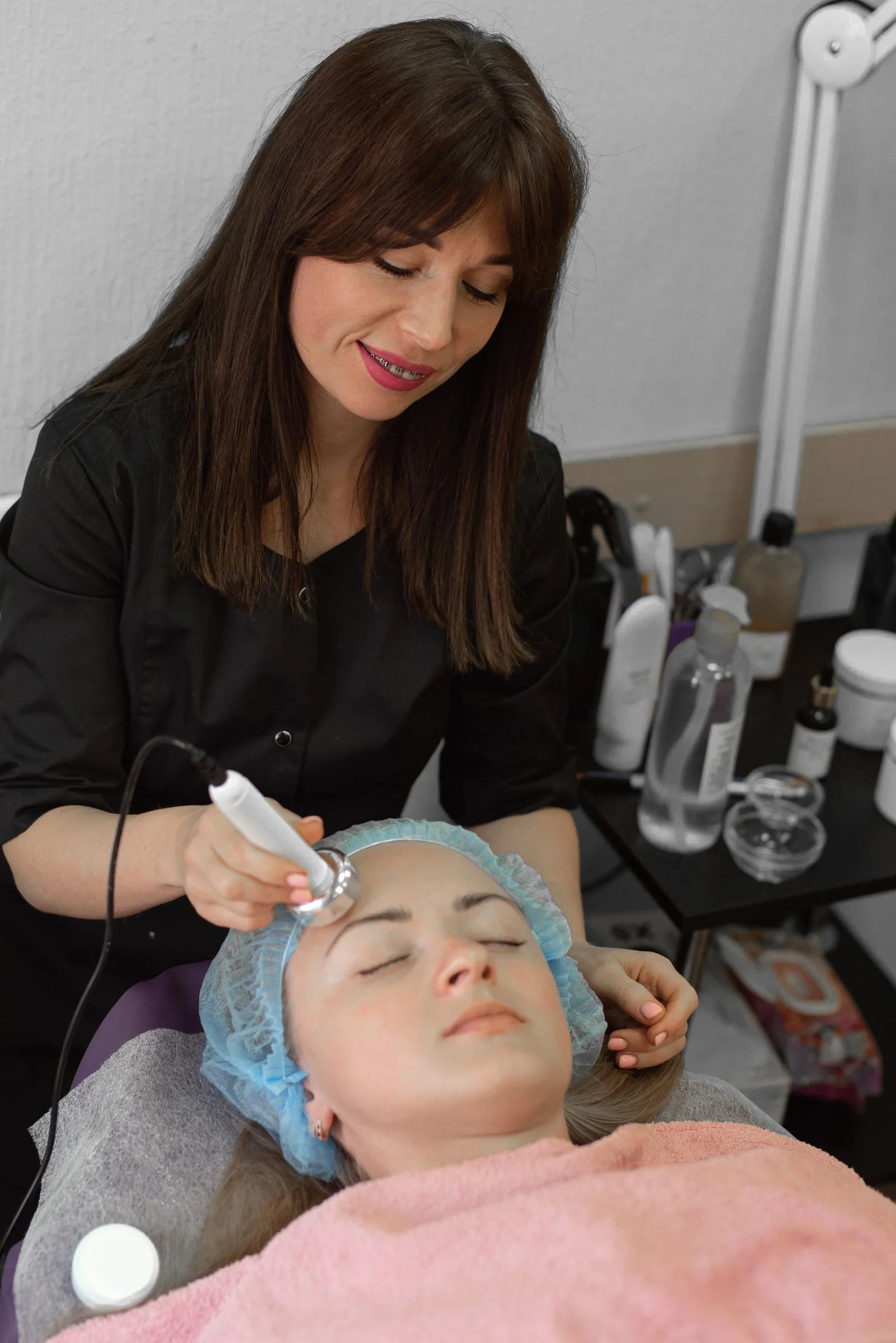
The 4-step version for a hotel room or carry-on bag
Compressed all the way down, the order becomes cleanser, toner, moisturizer, then sunscreen in the morning or a sleeping pack at night. The first things to cut are ampoule and essence, the two most concentrated and most skippable layers. Cleanser and sunscreen are the last things to cut, since one preps skin and the other protects it.
This four-bottle version is what actually clears airport security and fits a bathroom counter with no extra shelf space to spare. Total added time for the full sequence runs about three to five minutes, short enough to manage even on a jet-lagged morning before checkout.
Morning versus night: which steps you drop each time
The morning version stays lighter and always ends in sunscreen; that single requirement doesn't move regardless of how many other steps get cut. The evening version is where exfoliation or a retinol-type active goes, and it never includes a sunscreen step, since there's no UV exposure overnight to protect against.
A sleeping pack or overnight mask is designed to be the last thing on skin before bed and rinsed off in the morning. Layering another product on top of it, a second moisturizer for instance, works against what it's built to do, which is sit undisturbed on skin for several hours.
None of this has to be rebuilt from scratch every day of a trip. Once the order is set, the only daily decision left is which optional layers the day calls for — makeup and sun exposure argue for the full double cleanse that night, a low-key indoor day doesn't. The order stays fixed; only the number of layers moves.