

A breakout that shows up two days into a Korea trip gets blamed on the last new product bought, when the actual cause is usually the routine having too much going on at once. The fix is rarely a fifth item — it's removing the four that are already fighting each other.
What to pack before a breakout: four things worth carrying
A gentle, fragrance-free cleanser that won't strip skin that's already reacting is worth packing regardless of how the trip goes. A calming product built around centella or panthenol earns a spot too, since the job here is soothing, not adding a new active into an already-irritated barrier.
Sunscreen belongs on this list for a specific reason: most acne-relevant actives, from retinol-type products to acid exfoliants, increase how sensitive skin is to sun. Hydrocolloid acne patches round out the set, and it's worth buying a couple of sizes rather than one — a card of patches sold at Olive Young usually mixes several dot sizes together, and the smallest ones are meant for spots just starting to form, not decoration on a bigger patch that's overkill for a small mark.
None of these four need to come from a specific brand. What matters is the function each one serves — remove without stripping, calm without adding a new active, block sun on sensitized skin, and protect a healing spot from friction. A traveler who packs those four functions, whatever the label, is covered for most of what a short-term reaction actually needs.
Why a Korea trip makes skin break out in the first place
Water and humidity shift between a home city and Korea, and skin can respond to that change within days, before a single new product has even been opened. Long-haul cabin air runs at roughly 10-20% humidity, far drier than most skin barriers are used to, and that alone is enough to trigger a reactive breakout before landing.
Layer a shopping trip on top of that and the picture gets more complicated. Buying and trying several new Korean products in the same week, all at once, overloads skin before there's any way to tell which one — if any single one — is actually behind the reaction.
The combination is what makes travel breakouts different from a breakout at home: a dehydrated barrier from the flight, meeting a new water source and a different humidity level, meeting three or four unfamiliar products within the same 48 hours. Any one of those on its own is usually manageable; stacked together in the first days of a trip, they're harder to untangle after the fact.
Simplify first: drop exfoliants and strong actives, then patch
Pause physical and chemical exfoliants — scrubs, AHA and BHA products — the same week skin turns reactive, rather than pushing through with the usual schedule. Don't introduce a new high-strength active, a retinol-type product or a high-percentage acid, on the same day as an exfoliation session; that combination is one of the fastest ways to turn mild irritation into something worse.
A hydrocolloid patch goes on once skin is cleansed and completely dry, applied to an already-forming spot and left in place, ideally overnight. Skip makeup directly over a fresh patch — foundation or concealer pressed onto it breaks the seal before the patch has finished absorbing, undoing part of what it was doing.
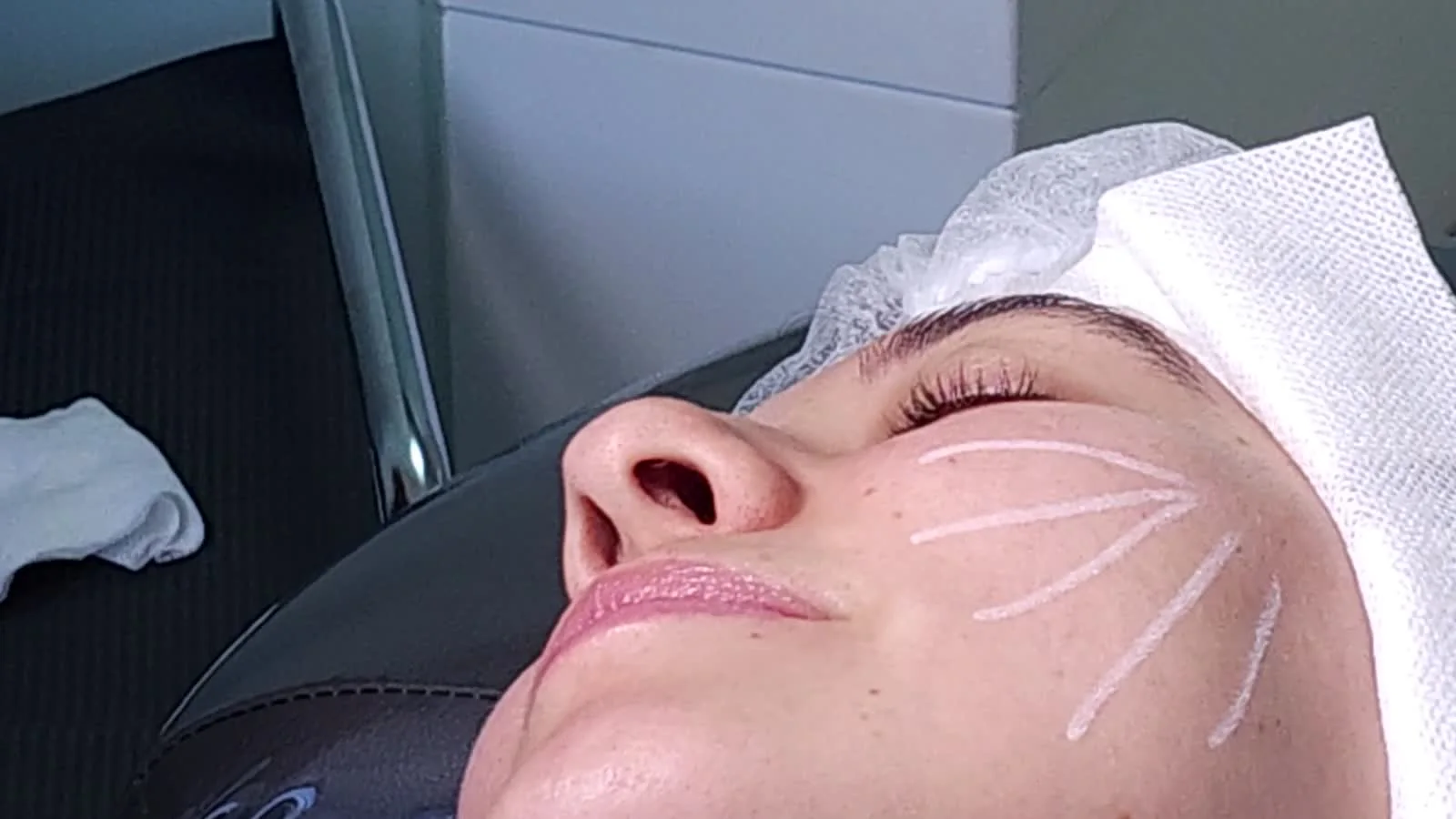
Buying a fresh AHA or BHA toner and a new retinol-labeled serum in the same afternoon at Olive Young, then using both that night, is the single most common way visitors chemically over-exfoliate travel skin within 48 hours of landing.
What Korean anti-acne product labels actually promise
Korean shelves label acne-adjacent products with specific terms worth recognizing: 저자극 (low-irritation), 트러블케어 (trouble-care), and 살리실산 (salicylic acid) on BHA-type products. These are cosmetic-grade formulations sold over the counter, priced and regulated as cosmetics, not as prescription-strength treatments.
"저자극" and "트러블케어" printed on the front of a box are marketing and cosmetic-category language, not proof of a specific drug ingredient or a stated concentration. The ingredient list on the back, not the front-of-pack phrase, is what actually says what's inside — a 살리실산 product still needs its concentration read off that list rather than assumed from the front label. A cosmetic in this category can calm surface irritation and reduce visible redness, but it isn't formulated to treat an infected or cystic breakout.
Where cosmetics stop: ingredients that require a prescription
Prescription-strength retinoids, oral antibiotics, and isotretinoin sit on the other side of a clear line: all three require a doctor's prescription in Korea and aren't sold at Olive Young or over a general pharmacy counter. A pharmacist can point toward an appropriate over-the-counter option, but dispensing any of those three specific treatments without a prescription isn't something a pharmacy is able to do.
That line marks where a cosmetics aisle stops being useful and a clinic visit starts being the actual next step, regardless of how many more "trouble-care" products the same aisle has to offer.
Pharmacy shelf or dermatologist: reading your own warning signs
A breakout that's flat, scattered across the skin, not painful to the touch, and calms down within a few days of a simplified routine and a patch generally falls in pharmacy-shelf range. A spot that's deep or nodular, painful when touched, keeps returning in the exact same location week after week, or leaves any scarring behind sits in dermatologist range instead.
If a pharmacist or store staff member suggests seeing a dermatologist rather than recommending another product, that suggestion is worth taking at face value rather than shopping for a second opinion at the next counter.
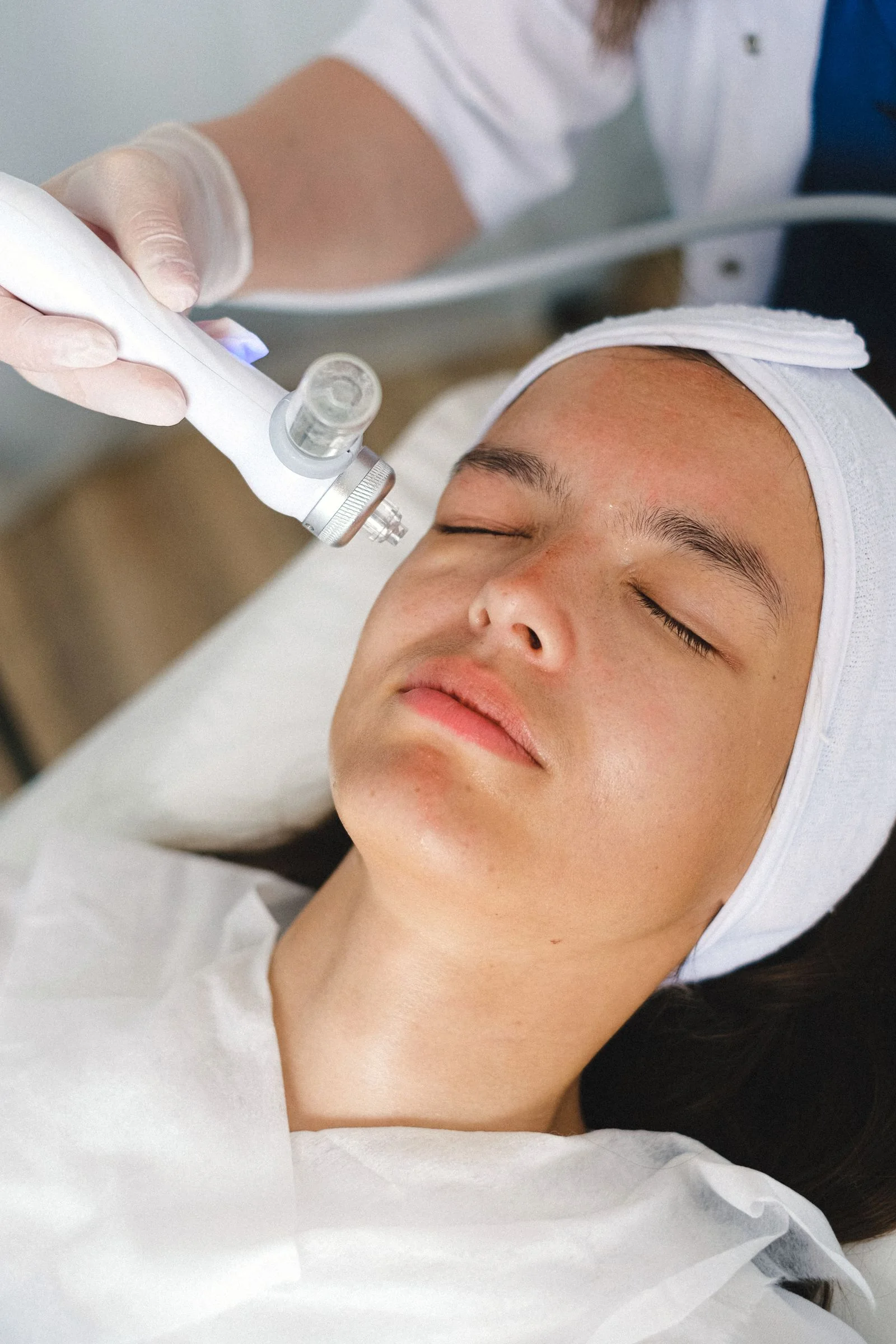
Mid-treatment or on medication? Don't self-adjust your routine
Don't add a new acid, a new retinol-type product, or an at-home device on top of a treatment plan already prescribed back home, no matter how appealing a Korean shelf display makes the new option look. If a cosmetic treatment or a medical procedure happened earlier in the same trip, mention it before changing the routine again rather than treating it as unrelated.
Self-adjusting a regimen a doctor at home already prescribed, based on a recommendation from store shelf signage, risks undoing or interacting with treatment that's already in progress. That's a question for the prescribing or treating doctor, not a decision to make alone in the Olive Young aisle.
What to bring to a dermatology consultation
A current product list, either by name or as a photo of the packaging, tells a dermatologist far more in the first minute than trying to recall ingredient names from memory. A list of medications currently being taken, including anything prescribed before the trip, matters just as much, since interactions are part of what's being assessed.
A dated photo record of how the breakout has changed, even just a few phone photos taken a day or two apart, says more in ten seconds than trying to describe "it got worse around day three" out loud. None of this needs to be formal — a note-app list and a handful of photos are enough to bring, as long as they actually reach the clinician before any decision is made about how to treat it.