
Eating in Korea: Restaurants, Kiosks and Convenience Stores
How eating out works in Korea: ordering at kiosks and tables, paying at the counter, convenience-store meals, cash at markets, and dietary needs.
 Korean Food for First-Timers: 24 Dishes to Try and What's in Them24 Korean dishes explained for first-time visitors: the name on the menu, how spicy it is, whether it has meat or seafood, and how to ask.
 How to Order at a Korean Restaurant: Kiosks, Bells and Paying (2026)
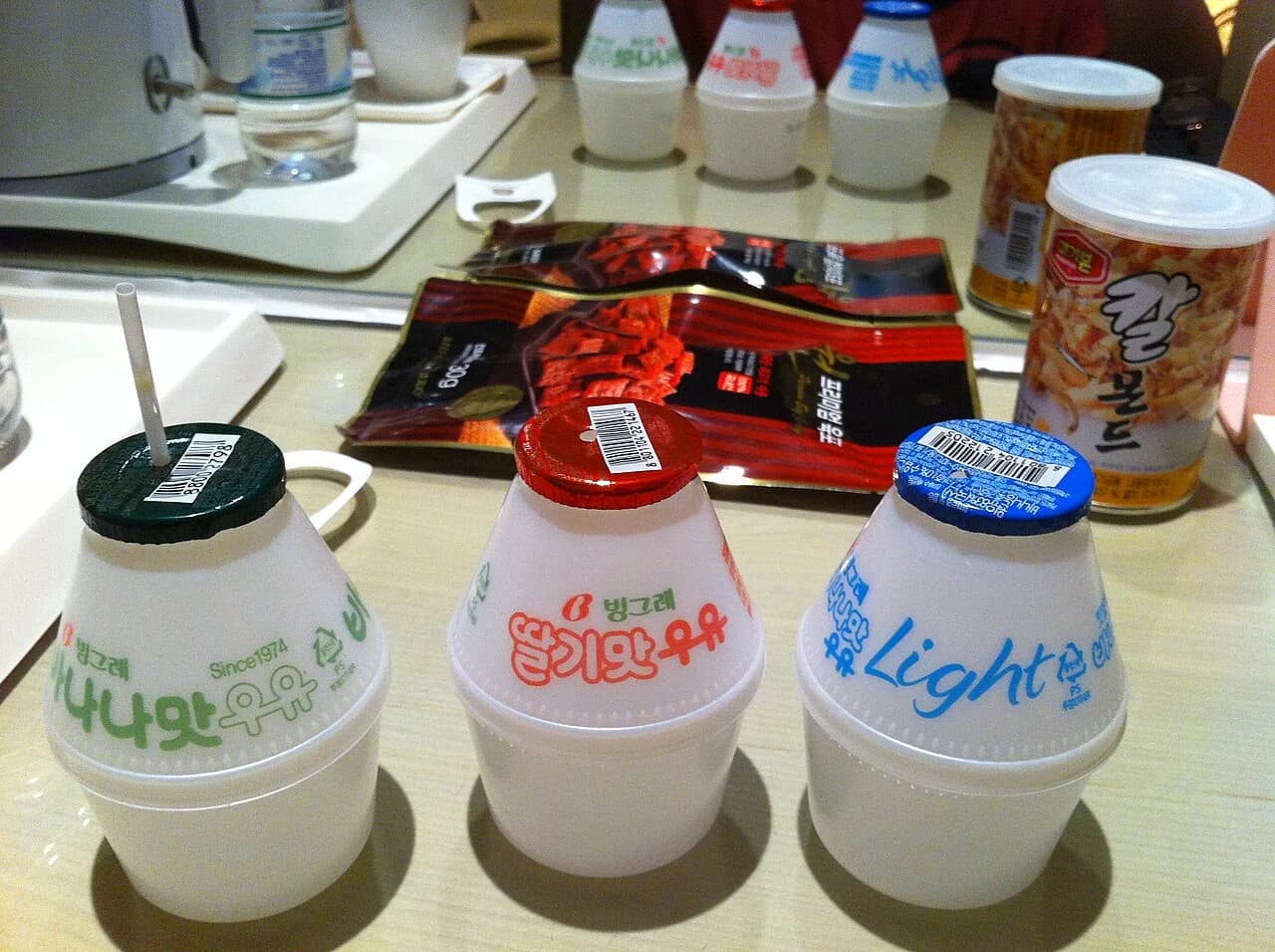 How to Use a Korean Convenience Store: Heating Food, 1+1 Deals (2026)
 Korean Traditional Markets: What to Eat, How to Pay, Manners
This hub covers the practical side of food in Korea: how to order, how to pay, and where to eat cheaply when you are tired or short on time. It does not rank restaurants. It explains the systems you will meet in almost every city.
What this section covers
- Ordering. Kiosks by the door, tablets on the table, and call bells. Each one uses a small set of Korean words, such as 주문하기jumunhagiOrder and 결제gyeoljePay.
- Paying. In table-service restaurants you pay at the counter by the door, not at the table. There is no tip.
- Convenience stores. A 편의점pyeonuijeomConvenience store sells lunchboxes, rice balls and cup noodles, plus a microwave and hot water you use after paying.
- What to eat. Korean dishes to try explains 24 dishes with the Korean names you see on menus, how spicy they are and what is usually in them.
- Markets and street food. Traditional markets and street stalls may take only cash, so carry some won (VisitKorea). Traditional markets covers Gwangjang, Namdaemun, Jagalchi, Dongmun and Jeonju's night market.
- Dietary needs. The Korea Tourism Organization classifies Muslim-friendly restaurants and maps them, with prayer rooms, on its Muslim-friendly travel page. For vegetarian or allergy needs, name the exact ingredient in Korean.
The three tasks to learn first
- Order at a restaurant. Read kiosk buttons such as 매장maejangEat in and 포장pojangTakeaway, use the table bell, find self-service water, and pay at the counter.
- Use a convenience store. Pay first, then heat food yourself. Read 1+1won peulleoseu wonBuy one, get one free tags and top up a transit card at the counter.
- Pay without problems. Most stores accept Visa, Mastercard, JCB, AMEX and UnionPay, and some accept mobile wallets. Keep cash for stalls.
What to expect at the table
Korean restaurants serve a number of small side dishes, 반찬banchanSide dishes, with the main dish (VisitKorea). Water is often self-service; look for 물은 셀프mureun selpeuWater is self-service. Some grilled-meat and stew dishes are sold only for two or more people, which matters if you travel alone.
Table manners are covered in the etiquette guide, including chopsticks, pouring drinks and eating with older people.
Start here
- Before you fly, set up a translation app with a camera mode. See useful apps.
- On your first day, eat at a kiosk restaurant to learn the buttons with no pressure.
- Try a convenience-store lunchbox for a cheap meal.
- Then try a table-service restaurant: call the server, order, and pay at the counter.
- Plan food costs with the budget guide.
Related guides
How to Order at a Korean Restaurant: Kiosks, Bells and Paying (2026)
Read the Korean buttons on restaurant kiosks and table tablets, call staff with the bell, get your own water, and pay at the counter on the way out.
How to Use a Korean Convenience Store: Heating Food, 1+1 Deals (2026)
Pay first, then heat your food. How the microwave and hot-water station work, what 1+1 and 2+1 tags mean, and how to top up T-money at the counter.

Cash, Cards and Mobile Payments in Korea (2026)
Where foreign cards work in Korea, when you still need cash, how to use Global ATMs, why to pay in won, and which mobile wallets work (October 2026).