
How These Events Were Chosen: No Advance Booking, No Complicated Transit
This list skips festivals that need advance registration, a lottery-based ticket, or a long transfer to a rural venue reachable only a few times a day. Everything below is something you can decide to attend the morning of, reach by subway or a short taxi ride, and walk into without a booking confirmation printed out in advance.
That trade-off leaves out some genuinely striking events — a handful of regional light festivals and remote temple ceremonies are worth planning a dedicated trip around — but this page is built for travelers layering a festival onto an existing itinerary, not designing a trip specifically around one hard-to-reach event.
Spring: Cherry Blossom Season and How to Check This Year's Bloom Dates
Cherry blossoms open somewhere in the country most years between late March and mid-April, generally moving from the southern coast north over about two to three weeks. That's a pattern, not a date you can book a flight around — the actual week shifts by roughly one to two weeks from year to year depending on how warm or cold the preceding weeks ran.
Popular viewing spots cluster along riverbanks, palace walls, and university campuses in Seoul, plus several dedicated festival routes further south. Rather than trusting a travel post written two or three years ago, check the Korea Tourism Organization's festival listings for that year's forecast update, usually posted a few weeks before peak bloom once meteorologists have enough data to narrow the window.
Summer: Fireworks and Beach Events Along the Coast
Summer shifts the festival map toward the coast. Cities including Busan, Incheon, and Gangneung run beach openings, evening markets, and firework displays through the season, each on its own city calendar rather than a single national date.
A good sightline for a fireworks show fills in hours before the display starts, not just at dusk — arriving after dinner on a well-known show night often means watching from behind a crowd with a partial view, not the open beachfront you pictured. If a specific fireworks night is a reason for your trip, treat the afternoon before it as part of the plan, not the evening itself.
Autumn: Foliage Peaks That Shift by Region
Autumn foliage behaves like cherry blossoms in reverse: it starts in the mountains and moves toward the coast and lower elevations, and the peak week in one region can land one to two weeks apart from another. A weekend built around "seeing the leaves" without checking a specific area's forecast risks landing between two regions' peaks instead of during either one.
Seoul's parks and mountainside trails typically peak later than areas further south, so if your trip only allows one weekend, decide in advance whether you're chasing color in the capital or planning a specific day trip further out, and check that area's own forecast rather than assuming one national peak week covers the whole country.
Seollal and Chuseok: What Closes, What's Free, and the Traffic
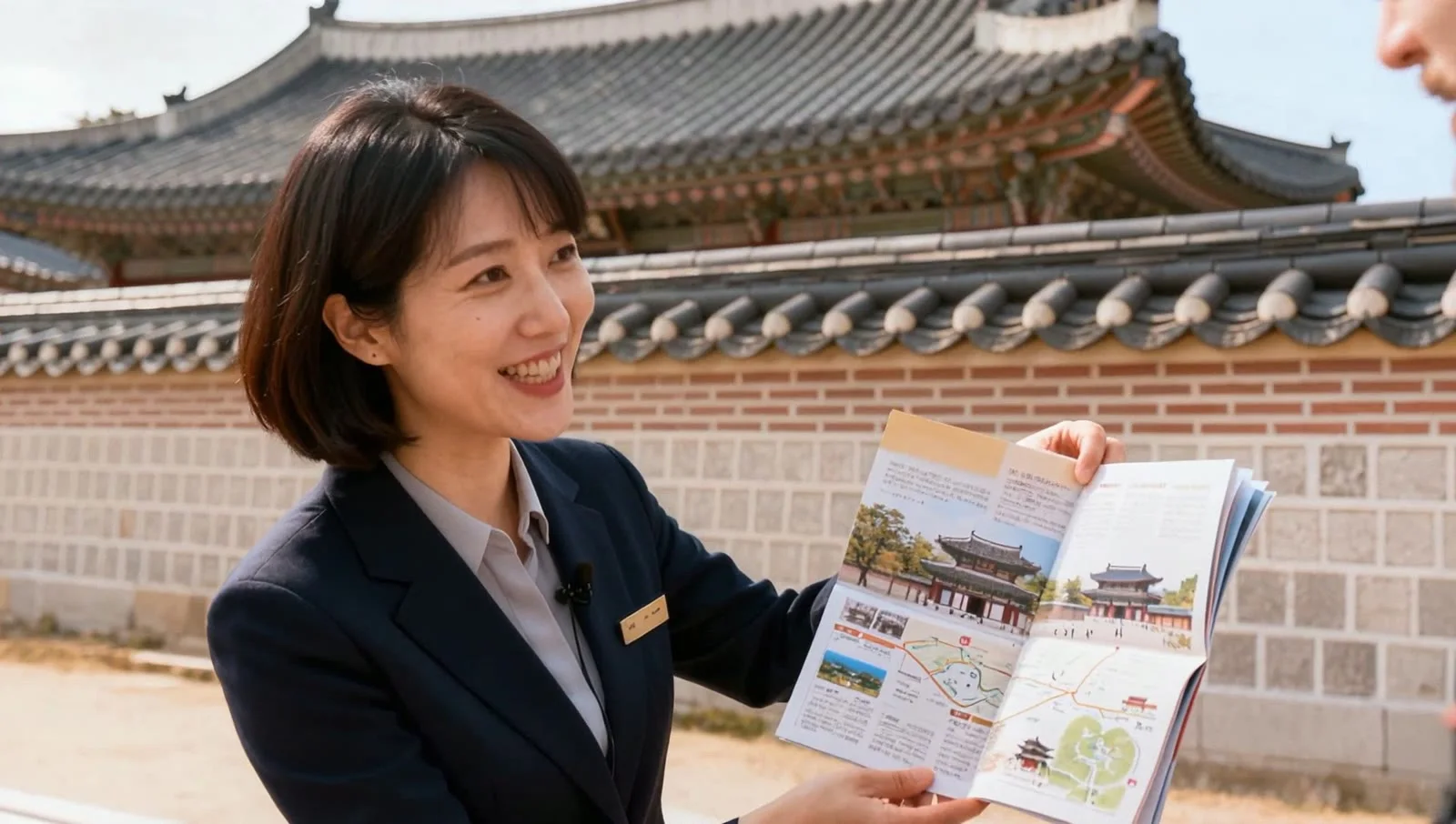
Seollal (Lunar New Year) and Chuseok (harvest festival) are each three-day national holidays, and a meaningful share of small restaurants, markets, and family-run shops close for some or all of it while owners travel to see relatives. Department stores, large chain restaurants, and most palaces and museums generally stay open, so the closures hit specific businesses rather than the whole city.
One detail surprises visitors who assume a holiday automatically means "avoid this week": several royal palaces waive admission on specific days during Seollal and Chuseok as a holiday courtesy. Confirm the exact dates on the palace's own notice before planning around it, since the free days don't necessarily cover the full three-day window.
The clearest downside is road traffic. Large numbers of people travel to their hometowns over these three days, and intercity highways see some of the heaviest congestion of the year — a normally two-hour drive can stretch well beyond that. If your plans include a bus or car trip between cities during either holiday, build in extra time or shift that leg to a different week.
Ticketed Events vs. Walk-Up Participation
Not every festival on the calendar works the same way once you arrive. Large-scale events with a defined stage area, a fireworks show's premium viewing zone, or a popular seasonal light display sometimes require a ticket purchased online in advance, with free public areas open around it.
Assuming "it's a festival, so I can just show up" is the mistake — some of the most photographed events run a general free zone plus a separate, capacity-limited paid section, and the two aren't always obvious from outside. Check the specific event's own page for whether it uses this split before building your evening around getting into a particular spot.
Checking Road Closures and Crowd Levels Before You Go
Streets around a major festival or ceremony commonly close to vehicle traffic for the day, and at the largest events, a nearby subway exit can be temporarily restricted or a station can skip stopping altogether during peak arrival and departure windows.
A same-day check the morning of is worth the two minutes: the event organizer's own page usually posts road and transit notes, and a navigation app will typically reroute around a closure once it's actually in effect rather than showing it in advance. If your plan for the day depends on one specific station exit, keep a backup route in mind before you leave your accommodation.
Timing It to Avoid Crowds and the Accommodation Price Spike
Shifting your visit a few days before or after a widely publicized peak — the first reported full-bloom day, the most crowded festival weekend — usually costs you very little of the actual scenery while cutting the crowd noticeably. Blossoms and foliage don't vanish overnight; the shift from "mostly open" to "past peak" typically spans several days, not one.
Lodging is the other side of this. As of July 2026, hotels and guesthouses near well-known blossom and foliage viewing areas raise their rates and sell out earlier during the two-to-three-week peak stretch than the rest of the year, so booking ahead, or shifting a few days off the widely reported peak date, tends to help with both crowding and price at once.
This list covers festivals and closures, not the day-to-day details that trip up first-timers the most — for those, the travel experiences hub is the wider index. If your dates land near a palace, renting hanbok gets you free admission at several of them. On a hot summer evening waiting for a fireworks show, a jjimjilbang nearby is a legitimate way to cool off between events. Whatever the season, check what to actually pack once your dates are set.