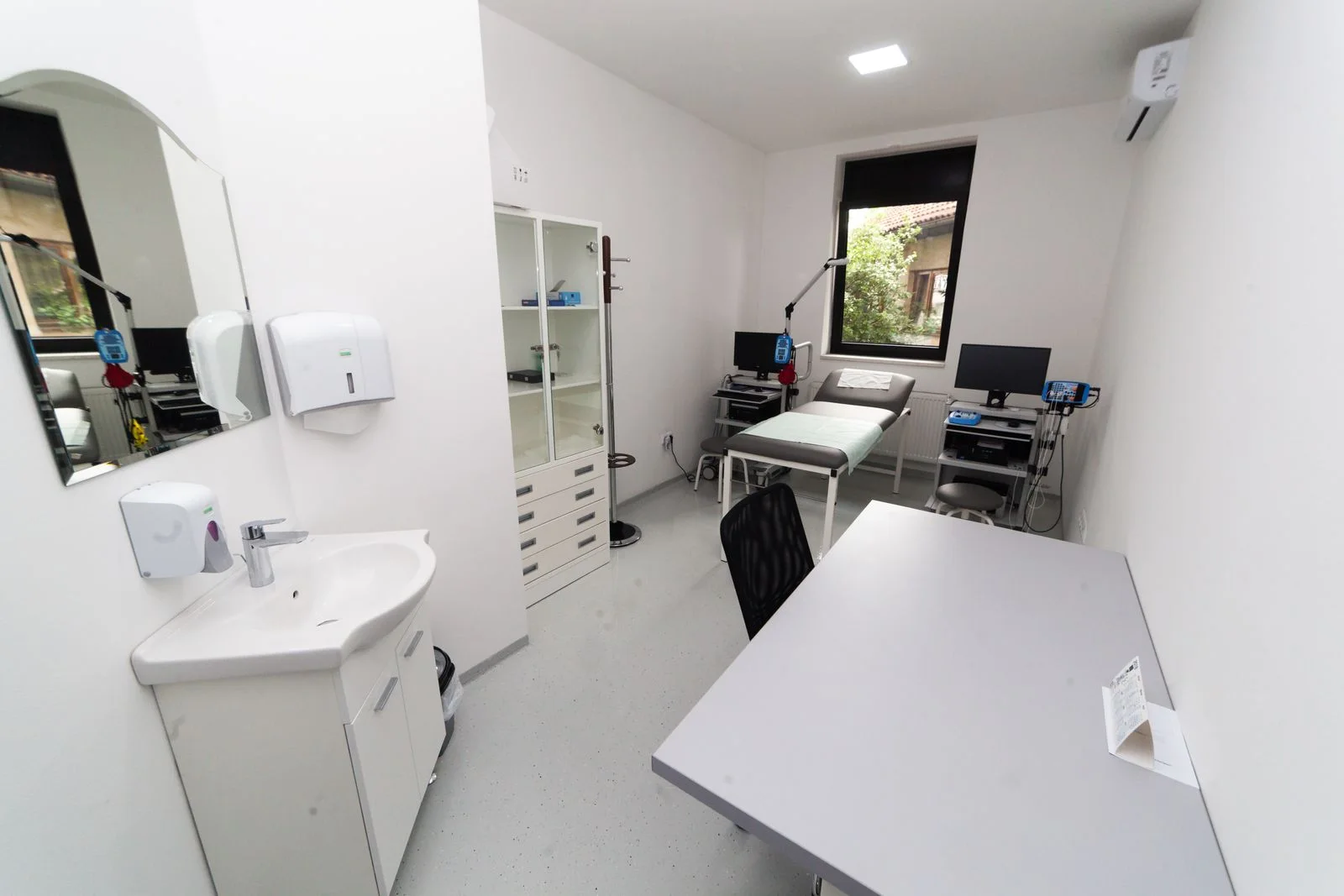
A clinic that looks polished online and a clinic that will actually stand behind its word in writing are not always the same clinic. The checks below sort one from the other before you've committed any money to either.
Why you should verify a Korean clinic before you fly, not after
Once you've left Korea, getting a clinic to respond to a message, correct a record, or process a refund gets slower on every front. Time zones stop overlapping conveniently, a phone call becomes a translated email chain, and a fix that would have taken an afternoon in person can stretch into weeks by message. Everything below is built to happen before you book, not as damage control afterward.
This article checks the institution — the clinic as a business, its registration, its paperwork, its track record. Checking the individual doctor who will actually treat you is a related but separate step, covered in how to verify a board-certified specialist.
The registration check: confirming foreign-patient status
Ask the clinic to show or send its foreign-patient institution registration certificate before any money changes hands — a photo or scanned copy, not a verbal assurance that one exists. A genuine certificate names the institution and states its registered status; check that the name on the certificate matches the name on the door and the address you're actually booking, rather than a similarly named branch or affiliate.
As a secondary, independent check, Korea's Health Insurance Review and Assessment Service (HIRA) runs a public hospital and pharmacy finder that confirms whether a facility is a real, listed medical institution. It won't confirm foreign-patient registration specifically, but it's a fast way to rule out an address that isn't a licensed medical facility at all.
What to get in writing before you pay a deposit
Three things should exist in writing before a deposit is paid: the procedure name, the treating doctor's name specifically, and the cancellation and refund policy — including whether the terms change depending on how close to the appointment you cancel. Ask directly whether a broker or referral commission is built into the quoted price, and get that answer in writing too, not as a spoken aside.
A "don't worry, it's fine" said out loud and a sentence that actually sits in your inbox carry different weight if a dispute happens later. If a clinic won't put any of this in an email or a signed document, treat the refusal itself as the finding — it isn't a formality to skip and chase up afterward.
Reading reviews without being misled by them
Reviews are useful and easy to manufacture at the same time. A cluster of reviews posted within days of each other, using near-identical phrasing and no specific detail about the procedure, price, or doctor, reads more like a coordinated push than organic feedback. Genuine reviews tend to mention a date, a named staff member, or an actual figure.
A clinic with zero negative reviews across several years is itself worth a second look rather than an automatic reassurance — it can mean consistently excellent care, or it can mean negative reviews are being filtered out, and a star rating alone won't tell you which. Platforms outside the clinic's own site or app tend to be harder for the clinic to curate than reviews hosted somewhere the clinic controls what gets published.
Red flags that mean you should walk away
A handful of patterns show up repeatedly in complaints from foreign patients, and each is worth treating as a stop sign rather than a quirk of a busy clinic:
- Payment pressure immediately after a first consultation, often framed as a one-day-only price
- Refusal to provide anything in writing, or a consultation so short there was no real chance to ask questions before a recommendation arrived
- Aggressive upselling into additional procedures or multi-session packages at the very first visit
- A passport held by staff for longer than a quick verification requires
None of these four, on its own, proves wrongdoing. Two of them together, in the same visit, is a reason to pause before signing anything. The "today only" pricing push is the same pattern used in tourist-shopping scams elsewhere; it's just easier to miss inside a medical consultation, where the setting feels more official.
If something goes wrong: emergency care, follow-up, and dispute channels
Before booking, ask which higher-level hospital the clinic refers patients to for complications or emergencies — a legitimate clinic gives a specific name, not a shrug. Ask how the clinic handles questions after you've returned home, through which channel — email, a messaging app, an international patient center — and roughly how many business days a reply takes.
If a dispute does arise, general consumer-affairs and medical-dispute mediation channels exist in Korea for exactly this kind of situation. This article won't promise a specific outcome from any of them; it only makes the point that asking about follow-up and dispute support before you pay belongs in the same pre-booking check as everything above it.
Sources
- Medical Korea — registration system for foreign-patient institutions
- Korea Ministry of Health and Welfare (English)
- HIRA — hospital and pharmacy finder
This checklist doesn't replace a lawyer, a consulate, or a doctor's own judgment — it's a starting point for questions to ask before you commit any money. Reviewed 28 July 2026; ask the clinic to reconfirm anything time-sensitive, since registration details and policies can change.