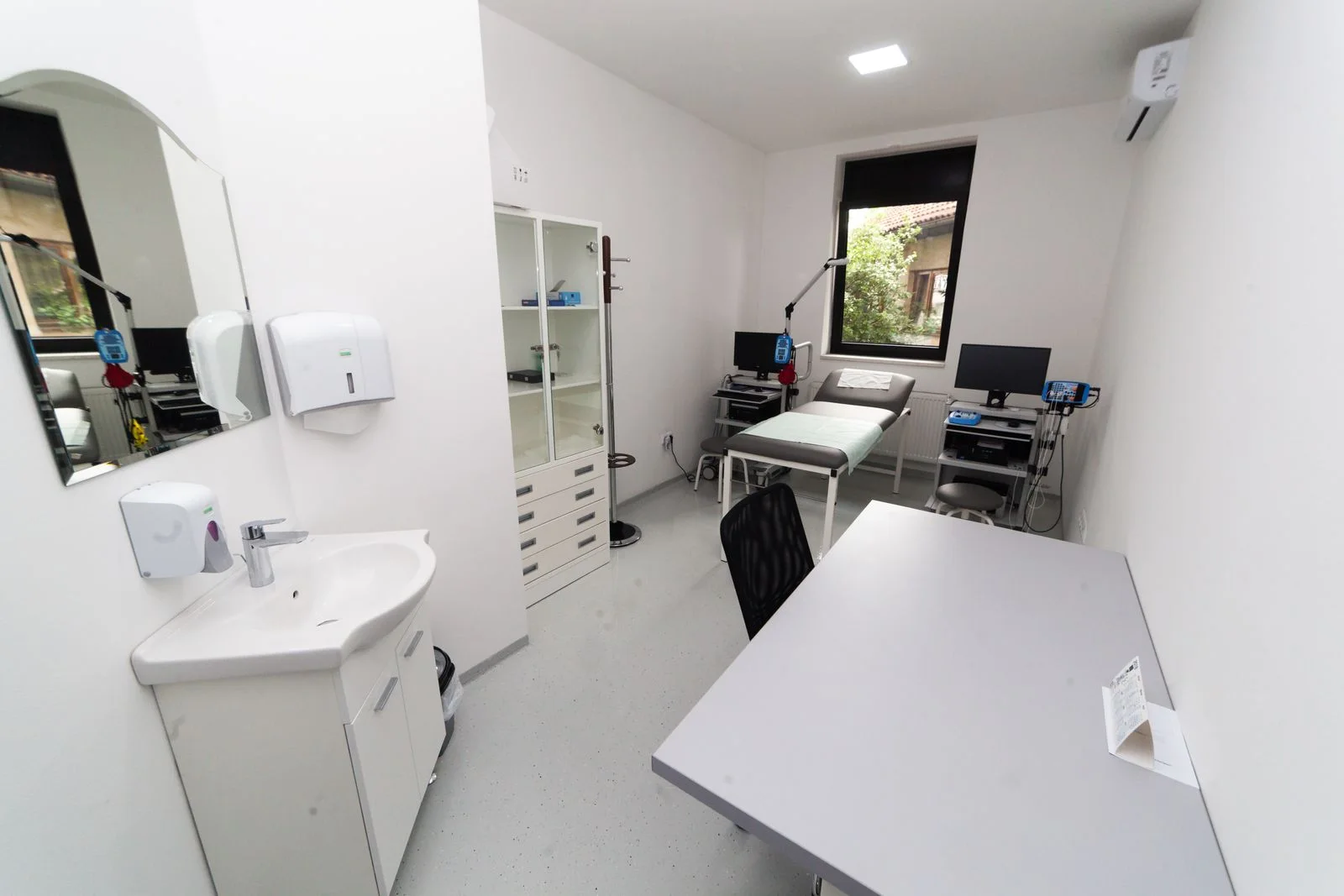
Search results and forum threads tend to flatten medical tourism in Korea into one claim: cheaper, and just as good. That framing skips the one distinction that actually protects a foreign patient — what Korea's clinic system was built to check, and what it was never designed to catch.
What it means when a Korean clinic is 'registered for foreign patients'
Only medical institutions that complete a specific government registration process are permitted to formally attract and treat foreign patients in Korea. That status sits within the foreign-patient institution registration system, administered alongside the Ministry of Health and Welfare and listed through the Medical Korea portal.
Registration is a legal and administrative checkpoint, not a government stamp on every doctor who happens to work inside that building. A large general hospital and a small single-doctor clinic can hold the identical registered status, and that status alone says nothing about which department, which doctor, or which specific procedure you're weighing.
This article covers what that status actually means and where its coverage stops. The steps for requesting and checking a specific clinic's registration certificate belong to checking a Korean clinic before you book — save that one for once you have a shortlist.
Doctor vs. specialist: a distinction Korea takes more literally than expected
Korean practice separates two titles that English-language marketing often blurs into one word: doctor. A licensed physician (의사) can legally open a clinic and perform a wide range of procedures without ever completing residency training in that specific field. A board-certified specialist (전문의) has gone further: additional years of residency in one field, then a national board examination in that same field.
A sign reading "Dermatology" or "Plastic Surgery" tells you what services a clinic offers. It does not, by itself, confirm that the doctor seeing you completed residency and passed a board exam in that department — both a general practitioner and a board-certified specialist can legally practice under that department name in many cases, which is exactly why the gap disappears on a first visit.
This section only draws the line. Confirming which one is actually treating you, and getting that in writing, is its own process, covered step by step in how to verify a board-certified specialist.
What high procedure volume and fast equipment adoption do — and don't — prove
Clinic marketing leans hard on two numbers: how many times a doctor has performed a procedure, and how new the laser or imaging equipment is. Both can be real operational facts. Both are also numbers the clinic chose to publish, with no outside authority auditing them the way a specialist board exam gets audited.
A stated case count can reflect genuine experience. It can also be rounded, dated, or defined in whatever way flatters the clinic — there's no independent registry cross-checking it against patient files. The newest device model shows the clinic invested in equipment recently; it says nothing about who is operating it or how they were trained on it.
None of this makes high-volume clinics suspect. It means a big number or a new machine cannot stand in for the two checks that carry actual legal weight: the institution's registration and the treating doctor's board certification. A "Seoul's number one for this procedure" badge on a review site is frequently a paid placement or a self-reported claim rather than an audited safety measure, and reading it as the latter is where visitors get misled.
Why the first quote looks lower, and where the gap usually shows up later
A figure quoted during an initial online chat or a short consultation is often scoped more narrowly than a visitor assumes. It may cover the procedure fee alone, with facility charges, anesthesia, materials, and aftercare priced separately and added once you're sitting in the consultation room.
This isn't necessarily dishonest. The final scope — how much correction is needed, which materials get used, whether sedation applies — often isn't fixed until an in-person assessment happens. But it does mean two clinics quoting "the same" number at the inquiry stage may be quoting two different products.
The reliable fix is asking, before you travel, exactly what a quoted figure includes and excludes, in writing. The full method for reading a Korean clinic's itemized quote — including which categories most often go missing — is covered in reading a Korean clinic quote line by line.
What the registration and specialist system doesn't stop
Registration and board certification are real filters, but each was built to answer one specific question, and several risks sit outside what either one checks.
An unlicensed broker can still fold a commission into your quoted price without disclosing it as one — registration doesn't touch pricing structure or who referred you. The doctor running your consultation isn't guaranteed to be the doctor performing your procedure; a fully registered clinic staffed by genuine specialists can still hand the actual treatment to someone else. That gap is common enough to deserve a direct question at consultation, which verify-a-specialist walks through in full.
Language support is another gap the system doesn't grade. Registration doesn't require a specific level of English, Japanese, Vietnamese, or Thai support — that varies by who happens to be on staff, not by any certified standard.
The misconception worth correcting directly: fame, a full waiting room, or a heavily produced social media account is a popularity signal, not a verified safety signal. Registration and reputation answer different questions, and only one of them is something you can put in writing.
This piece is the entry point to our safety series — the institution checklist and the individual specialist check both build on the distinctions above rather than repeating them.
Sources
This article draws on Korea's official medical tourism and health ministry resources rather than clinic marketing material.
- Medical Korea (KTO/KHIDI) — official medical tourism portal
- Medical Korea — registration system for foreign-patient institutions
- Korea Ministry of Health and Welfare (English)
Nothing here diagnoses a condition or recommends a specific procedure; suitability and risk are for the treating doctor to assess in person. Reviewed 28 July 2026 — registration rules can change, so confirm current status directly with the clinic and the official sources above.