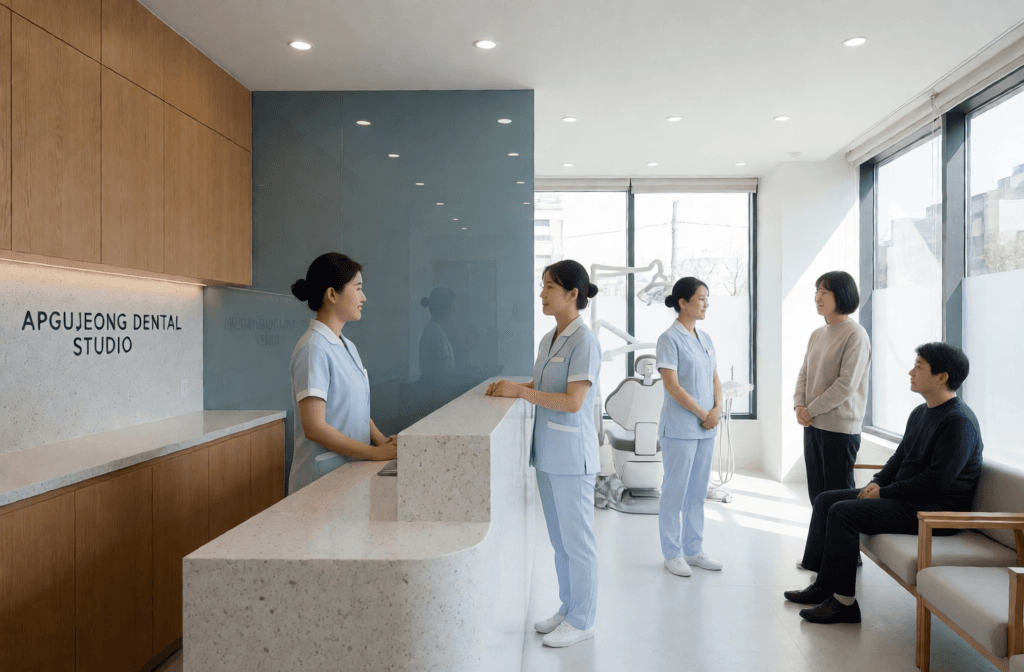
The exam comes before the surgery gets scheduled, not after — and for a meaningful number of people, the exam is where the process ends. Planning around that possibility from the start makes the rest of this easier.
LASIK, LASEK, and SMILE: what actually differs between them
LASIK creates a thin corneal flap before reshaping the tissue underneath. LASEK works on the surface layer without a flap. SMILE uses a small incision to remove a reshaped piece of tissue without creating a full flap at all. This is a description of mechanical difference, not a ranking of one method over another.
Recovery pattern differs by method in general terms — surface treatments and flap-based treatments don't heal on identical timelines — but the specific day-by-day detail belongs to its own section further down, not here. Which method is even offered or suitable depends on your individual eye exam, decided at consultation; this section explains the categories, not a recommendation for your eyes specifically.
Who gets screened out, and why the screening exists
General disqualifying factors include insufficient corneal thickness, an unstable vision prescription that's still changing, significant dry eye, and certain existing eye conditions. These are reasons the screening exam exists in the first place — not a personal diagnosis this article can make for you, and not a formality to breeze through.
This is worth stating plainly because it's the most important expectation to set before you travel: failing screening is a real, non-rare outcome, not a rare edge case. Arriving under the assumption that the exam is just a preliminary step before an already-scheduled surgery is the single most common way visitors get blindsided on the day.
The pre-op exam that can end in 'not a candidate'
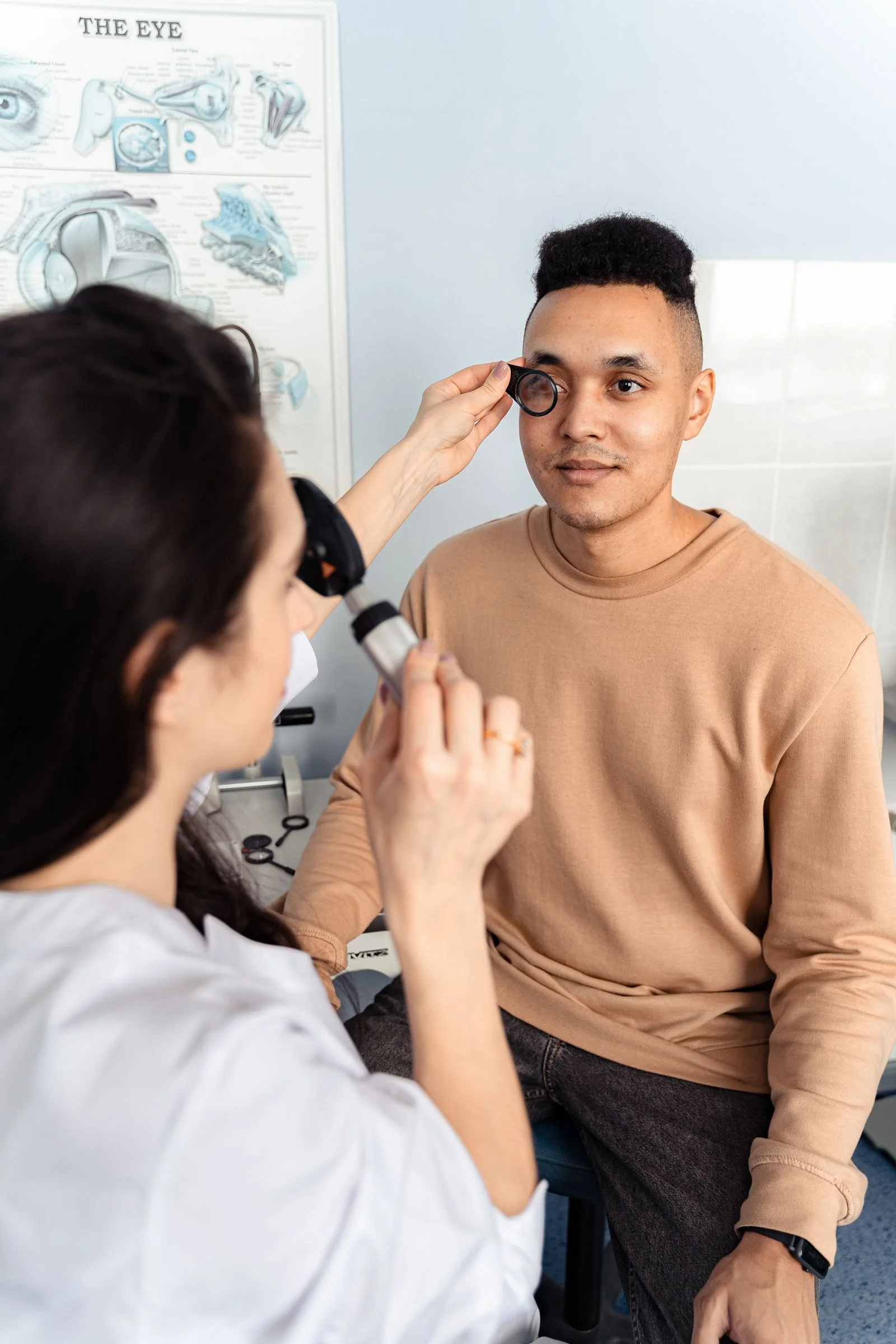
The precision exam generally measures corneal thickness and shape, prescription stability, tear film and dry eye status, and pupil size, without a single universal numeric cutoff this article can state as fact for every clinic. Results can mean surgery isn't advisable that day — ask what the exam itself costs even if surgery doesn't proceed, since that's a separate question from the surgery price.
This exam is separate from, and precedes, any surgery-day booking. Budget real time for it in your schedule rather than assuming it's a quick add-on to the same appointment as the procedure itself.
Stopping contact lenses before your exam — how long, and why it matters
Contact lenses temporarily change the shape of your cornea, which can distort exam measurements if you haven't stopped wearing them beforehand — a genuinely inaccurate reading is the risk, not a minor technicality. Confirm the exact required number of lens-free days directly with your clinic when booking the exam rather than assuming a universal figure; this article won't assert one without a clinic-specific source.
Soft and rigid or hard lenses may require different stop durations, so this is a question worth asking specifically about the type of lens you wear, not lenses in general. Turning up to the exam still wearing lenses because nobody mentioned the requirement is avoidable with one question asked at the time of booking.
Surgery day: timing, who comes with you, getting home
Surgery duration is best treated as a general range, and both eyes are often done in the same session rather than scheduled separately. A companion or pre-arranged transport is typically needed, since driving yourself home the same day isn't advisable with your vision still settling.
Expect post-op eyewear or protection to be given on-site as part of standard aftercare — worth expecting, without needing to source or buy anything specific yourself in advance. Immediately after surgery, vision is often blurred enough that moving through an airport or a subway station alone isn't a realistic plan for that same day.
Recovery: why dryness and glare timelines aren't the same for everyone
Dryness, glare or halos at night, and the time it takes vision to fully stabilize vary by individual and by method — the treating doctor is the source for what to expect in your specific case, and no fixed day count is asserted as fact here. This section covers this procedure's own recovery only; the cross-procedure stay-length comparison lives in a separate article, linked below rather than repeated here.
Any explanation promising an exact date when night glare disappears completely deserves a second look rather than automatic trust, however confidently it's delivered.
The follow-up visit problem: what happens if you fly out too early
A follow-up check is typically scheduled to confirm healing is on track before it's considered safe to fly, and this appointment — not the surgery date — should anchor your earliest return flight date. Cabin pressure and dryness are part of why this matters, along with the simple value of catching a problem while you're still at the treating clinic rather than after a long flight home; ask your doctor when it's safe to fly rather than assuming a fixed universal rule.
Booking a flight for the morning after surgery, before any follow-up appointment exists on the calendar, is a common and avoidable planning mistake. For how this compares across different procedure categories, see how many days to stay in Korea.
Questions to ask before you pay for the exam
Ask whether the exam fee is credited toward the surgery cost if you proceed, and what it costs if you don't qualify. Ask the specific conditions and cost for retreatment or enhancement if the correction isn't fully achieved, and confirm that the surgeon who will actually perform the procedure matches who conducted your consultation.
These three questions, asked before you pay for the exam rather than after you've already committed to a surgery date, are what actually protect you if your case turns out to be more complicated than a first look suggested.
Cost ranges, and keeping your eyes comfortable on the flight home
As of July 2026, LASIK or LASEK in Korea is commonly discussed in a range of roughly ₩1,500,000–₩2,500,000 for both eyes, and SMILE somewhat higher, roughly ₩2,500,000–₩3,500,000, though exam fees, medication, and follow-up visits may or may not be bundled into either range — confirm which is true for your quote through the clinic's own itemized breakdown rather than the range alone.
For the flight home, cabin air is notably low in humidity, which can worsen eye dryness beyond what you'd feel on the ground. Ask the clinic what they recommend for in-flight comfort, such as preservative-free lubricating drops if approved for your case, and avoid contact lenses on that flight rather than defaulting to your usual routine.
Sources
- Ministry of Food and Drug Safety (MFDS, English)
- Medical Korea (KTO/KHIDI) — official medical tourism portal
- Korea Ministry of Health and Welfare (English)
This article describes the screening and surgery process; it does not predict whether you will qualify. Reviewed 28 July 2026.