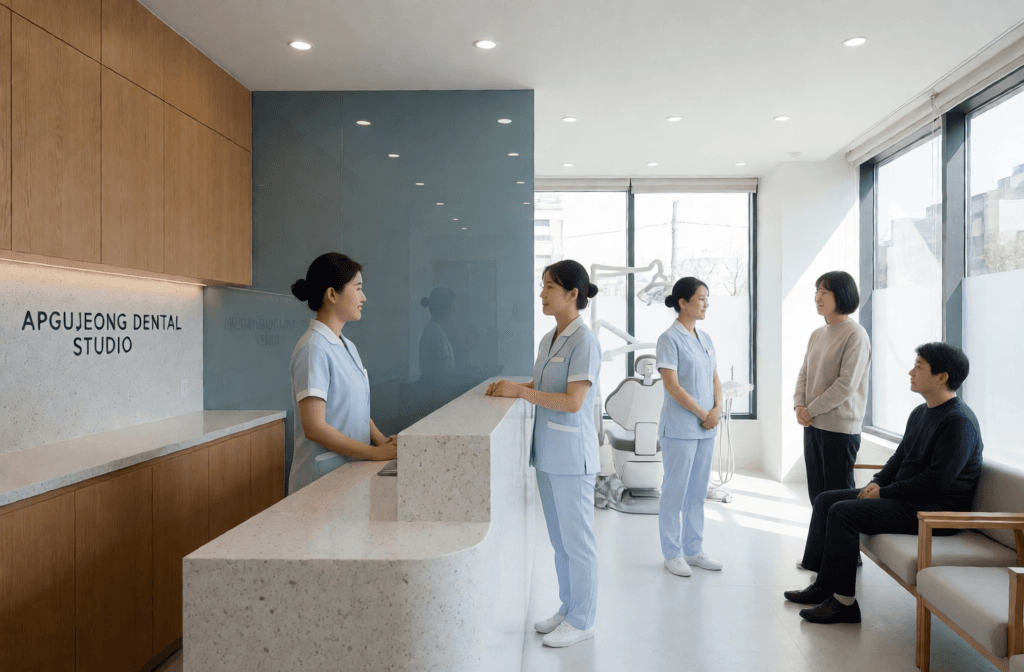
A "checkup" and a doctor's visit sound like the same errand until you realize one starts with a specific complaint and the other doesn't need one at all. Here is what fills the hours in between arriving and leaving with a folder of results.
What a comprehensive checkup covers that a regular visit doesn't
A comprehensive checkup is a scheduled, symptom-independent screening package covering multiple body systems in one visit — bloodwork, imaging, and often a specialist consultation or two, bundled together and booked in advance. A regular clinic visit, by contrast, is triggered by a specific complaint: something hurts, or something changed, and you go in to ask about that one thing.
This article walks through timing and logistics. Packages commonly include items such as a blood panel, a chest X-ray, an abdominal ultrasound, and an ECG, but the exact list varies by package and by clinic, so get that list in writing at booking rather than assuming "comprehensive" means the identical set of items everywhere.
Who should mention pregnancy, medication, or recent scans before booking
Three categories are worth disclosing at booking, not on the day itself: possible pregnancy, current medications, and any recent contrast-imaging exams, since a recent scan can affect what's advisable to repeat so soon. Frame this as information the clinic needs in advance to adjust your specific package, not a self-exclusion checklist that rules you out of getting checked at all.
If there's a possibility of pregnancy and it goes unmentioned, radiation-related imaging items could proceed as originally scheduled without the clinic having a chance to adjust the plan — which is exactly the scenario this disclosure step is meant to prevent.
Choosing between basic and precision packages
Clinics generally offer a basic package and a more precision or premium package, with the difference typically involving broader imaging and additional specialist consultations layered onto the basic set. Package names alone don't tell you what's inside, so request the exact included-item list in writing before choosing between them.
Comparing prices without comparing item lists is a common way visitors end up disappointed with either the wrong package or an unexpectedly high bill — a "comprehensive" package at one clinic can include noticeably fewer items than a similarly named package at another.
A precision upgrade commonly adds items such as additional tumor marker blood tests, a more detailed cardiac workup, or cross-sectional imaging like CT or MRI on top of the basic panel. None of this means every visitor needs the upgraded version — it means the price difference should map to a specific, named list of extra items rather than a vague sense that "precision" is simply the better option.
The night before: fasting and medication timing
Fasting typically begins the night before certain tests, especially bloodwork, but the exact hour varies by clinic, so confirm it directly with the specific clinic rather than assuming one universal cutoff time applies everywhere. Ask explicitly how to handle your regular medications during the fasting window, since stopping some medications isn't advisable just to accommodate a test.
Skipping a chronic-condition medication on your own judgment, purely because you're fasting, can create a bigger problem than the test itself is trying to catch — this is exactly the kind of question to ask the clinic in advance rather than deciding for yourself the morning of.
Wear loose, easy-to-change clothing, since most packages involve changing into a gown for part of the visit, and leave jewelry and metal accessories at your accommodation if imaging is included. Arriving with this sorted out in advance shaves a few minutes off check-in that otherwise go toward finding a locker and changing under time pressure.
A half-day, hour by hour
The general sequence a visitor experiences runs through check-in and registration, basic measurements such as height, weight, and blood pressure, sample collection, imaging, one or more specialist consultations, and a closing step where next actions get explained. Total time is best treated as a range, and packages that include endoscopy or more extensive imaging typically run longer than a basic package.
Blood tests requiring a fasting sample are usually scheduled first thing, which is part of why an early arrival time matters — showing up later in the day after eating defeats the purpose of the fasting instructions you were given the night before. This is a general sequence to expect, not a fixed itinerary every clinic follows in identical order.
Sedation choice for endoscopy, and why it affects your whole day
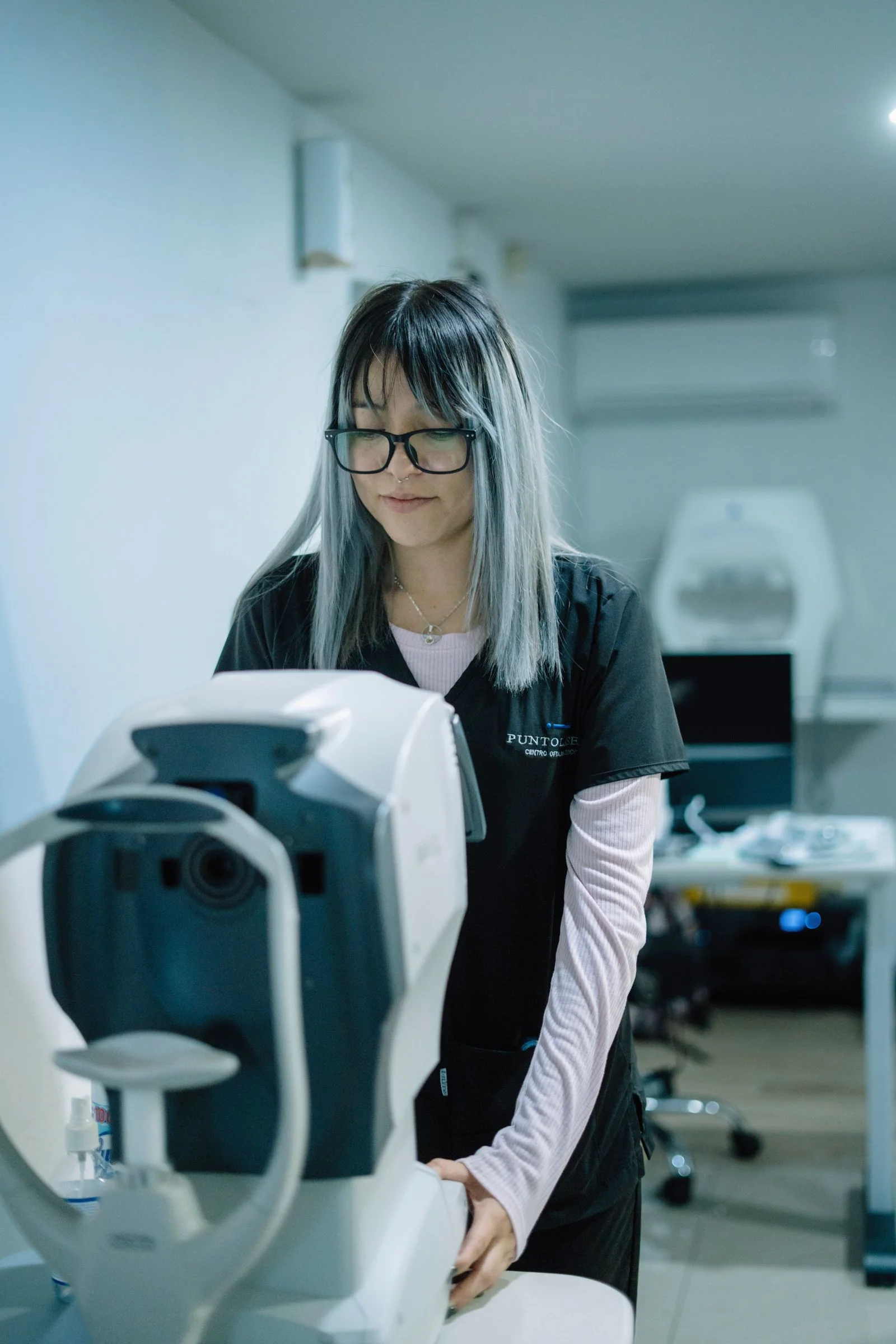
Choosing sedation for an endoscopy is a real decision point offered at many clinics, and it changes your same-day plans more than people expect — sedated patients typically shouldn't drive, sign anything important, or make major decisions for the rest of that day. This is worth building into your schedule before you arrive, not deciding in the waiting room.
Ask specifically whether sedation is included in the package price or billed as a separate item, since this affects both your total cost and your afternoon plans.
When results actually arrive, in English
Some results are available the same day — basic bloodwork and measurements typically fall into this category — while imaging and pathology-dependent results can take longer to process. Treat this as a real split rather than one vague promise that "you'll get your results," since assuming everything arrives before you leave is a common and avoidable disappointment.
Ask at booking whether an English-language summary and a doctor consultation to review the results are included in the package price or cost extra. If your flight is booked for the evening of your checkup, confirm which specific results will actually be in hand by then, rather than assuming all of them will.
If something unusual shows up
Ask in advance what the clinic's process is for notifying you of an abnormal finding after you may have already left Korea — by email, by phone, through an app, and roughly how quickly. Ask whether the clinic can refer you to a specific specialist or hospital for follow-up, and how your records get handed off to a doctor back home if that becomes necessary.
This section describes the process to ask about, not a specific outcome or diagnosis — the point is having a plan in place before you need one, not predicting whether you'll need it at all.
Cost ranges by package
As of July 2026, a basic checkup package in Korea is commonly discussed in a range of roughly ₩300,000–₩800,000, and a precision or premium package — with broader imaging, sedated endoscopy, or more specialist consultations — in a range of roughly ₩1,000,000–₩3,000,000 or more. Treat both as planning brackets only, not a quote, and confirm the actual figure through the clinic's own itemized quote.
What typically moves the price within that range: how much imaging is included, whether sedation is added, the number of specialist consultations, and whether an English-language summary service is bundled in or charged separately. See reading a Korean clinic quote line by line for the general line-item reading method rather than repeating it here.

Sources
- HIRA — Health Insurance Review & Assessment Service (English)
- Medical Korea (KTO/KHIDI) — official medical tourism portal
- Korea Ministry of Health and Welfare (English)
This article describes what to expect logistically; it does not interpret medical results or predict any specific finding. Once you've chosen a package, booking a Korean clinic covers the reservation and deposit steps. Reviewed 28 July 2026.