Veneers and crowns get filed under the same casual label — "cosmetic dentistry" — often in the same breath as whitening. They aren't the same category of decision. Whitening changes color on a tooth that's still fully yours. Veneers and crowns both start by removing part of that tooth, permanently, before anything new goes on.
Laminate veneers vs. crowns: what's actually different
A laminate veneer covers mainly the front-facing surface of a tooth, after the dentist reduces a thin, minimal-to-moderate layer of enamel to make room for it. A crown goes further: it caps the entire tooth, on every side, after more extensive reduction all the way around. The difference is the amount of your own tooth structure being taken off, not which one is "better."
Which one applies to a given tooth isn't a preference to state at booking — it's decided at consultation, based on how much healthy structure that specific tooth has left and what it's being asked to fix. This article treats the two as related but separate procedures precisely because the amount removed differs so much between them.
Who's a straightforward candidate, and who isn't
At consultation, a dentist typically looks at tooth alignment, gum health, whether you grind your teeth (bruxism), and how much sound tooth structure remains to work with. None of these disqualify someone outright on their own — they're weighed together, in person.
Bruxism is worth flagging here because it's easy to miss its relevance: a habit that has nothing to do with how a tooth looks can still be the reason a veneer chips or debonds early, since grinding puts repeated stress on a thin covering it wasn't necessarily built to absorb. Significant misalignment gets raised for a similar reason. Treat this section as what gets discussed at consultation, not a mirror test you can run on yourself the night before.
The irreversible part: why this isn't like whitening
This is the single fact to sit with before anything else in this article: the enamel removed for a veneer or crown does not grow back. Once a tooth has been reduced, it requires a covering — permanently, indefinitely, for the rest of that tooth's life. There's no future point where you can simply stop and return to the untouched tooth underneath.
If what you actually want is a change orthodontics or whitening could deliver on their own — straighter alignment, or a lighter shade on teeth that are otherwise healthy — that's worth raising before reduction is on the table, not after. This isn't a decision to move through quickly, and no dentist should be rushing you past it.
The process: diagnosis, shade, reduction, temporary, final placement
The sequence generally runs in this order: diagnosis and shade selection first, then tooth reduction along with a digital or physical impression, a temporary restoration to wear while the final piece is fabricated, and finally fitting and permanent attachment. Shade — the actual color — gets decided early, compared directly against your neighboring natural teeth, before any drilling happens.
That ordering matters more than it sounds like it should: confirm the shade with the dentist at that early stage, in good lighting, rather than assuming it'll simply get sorted out by the end. Once fabrication starts, changing the shade usually means starting the piece over.
How many visits this takes, and why in-house fabrication changes the count
How many days this actually takes hinges heavily on one operational detail: whether the clinic mills or fabricates crowns and veneers in-house, which can compress the process into a single day or two, or sends cases out to an external lab, which typically adds time and can mean a separate day to return for fitting. Ask this directly, by name, before you lock in travel dates around the procedure — it changes the shape of your itinerary more than almost anything else in this article.
Two people can describe entirely different timelines for what sounds like the same treatment, and the gap between their stories is usually this one piece of equipment, not anything about their teeth.
Materials and matching the color of your other teeth
Common veneer and crown materials differ in translucency and strength — how much light passes through them, and how they hold up over time — without one material being universally the right call for every case. A more translucent material can look more natural next to real enamel, while a stronger, more opaque one may be favored for a tooth under heavier bite force.
Matching shade and translucency against the teeth on either side is a skill-dependent step, not a mechanical one — ask to actually see the shade selection before fabrication is finalized, rather than trusting it'll come out right by default.

Recovery: sensitivity and gum adjustment
Temperature sensitivity after reduction, and how long it takes gum tissue to settle around the new restoration, differ from one patient to the next — asking your own dentist what's typical for your case will get you a more useful answer than any general figure printed here. Be wary of any explanation that names an exact number of days sensitivity will last; that's a confidence the biology doesn't support.
This section covers recovery from this procedure only. For how the stay length compares against other treatment categories, that comparison lives in a separate guide rather than repeated here.
Questions to ask before you agree to any reduction
Confirm who will actually perform the reduction — how to verify a board-certified specialist is a step worth taking before you commit, not something to skip because the consultation went well. Ask what happens if a veneer or crown chips or comes loose once you're home, and what the remake or repair process and cost actually look like. If whitening is also part of your plan, ask whether it happens before shade-matching, since the order changes what color target you're actually matching toward.
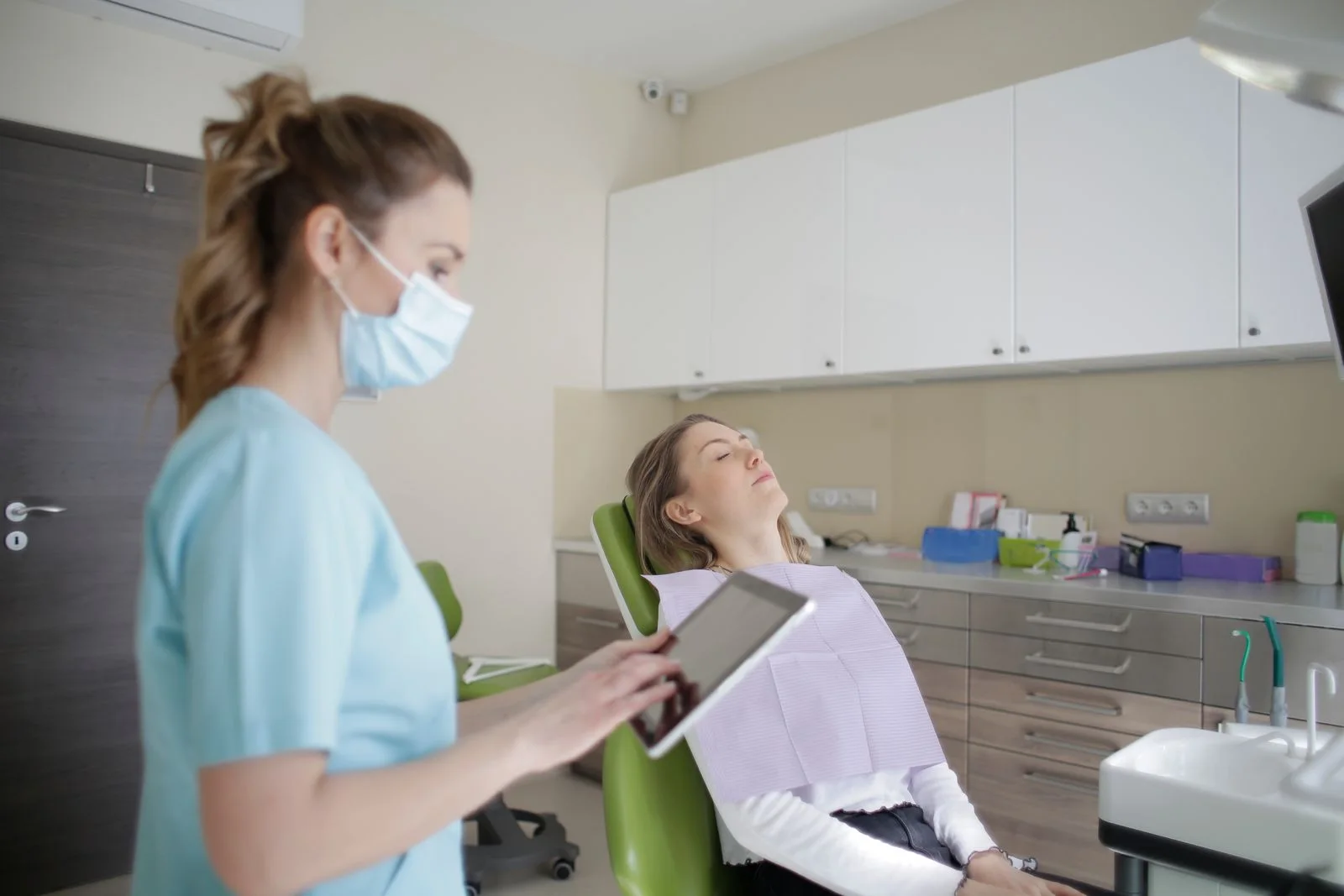
Don't move forward without a clear, specific answer on remake conditions. The reduction itself can't be undone if a remake turns out to be necessary, which makes this the one question in this whole process worth insisting on an answer to before anything gets touched.
This page is part of KMediBook's procedure guides, which cover treatment categories individually rather than as one general overview — see dental implants if a missing tooth, rather than an existing one, is what you're addressing.
Sources
- Korean Dental Association (KDA, English)
- HIRA — non-covered (비급여) treatment cost information portal
- Medical Korea (KHIDI) — official medical tourism portal
For what a veneer or crown actually costs by material and case, see dental treatment cost in Korea. Reviewed 28 July 2026.