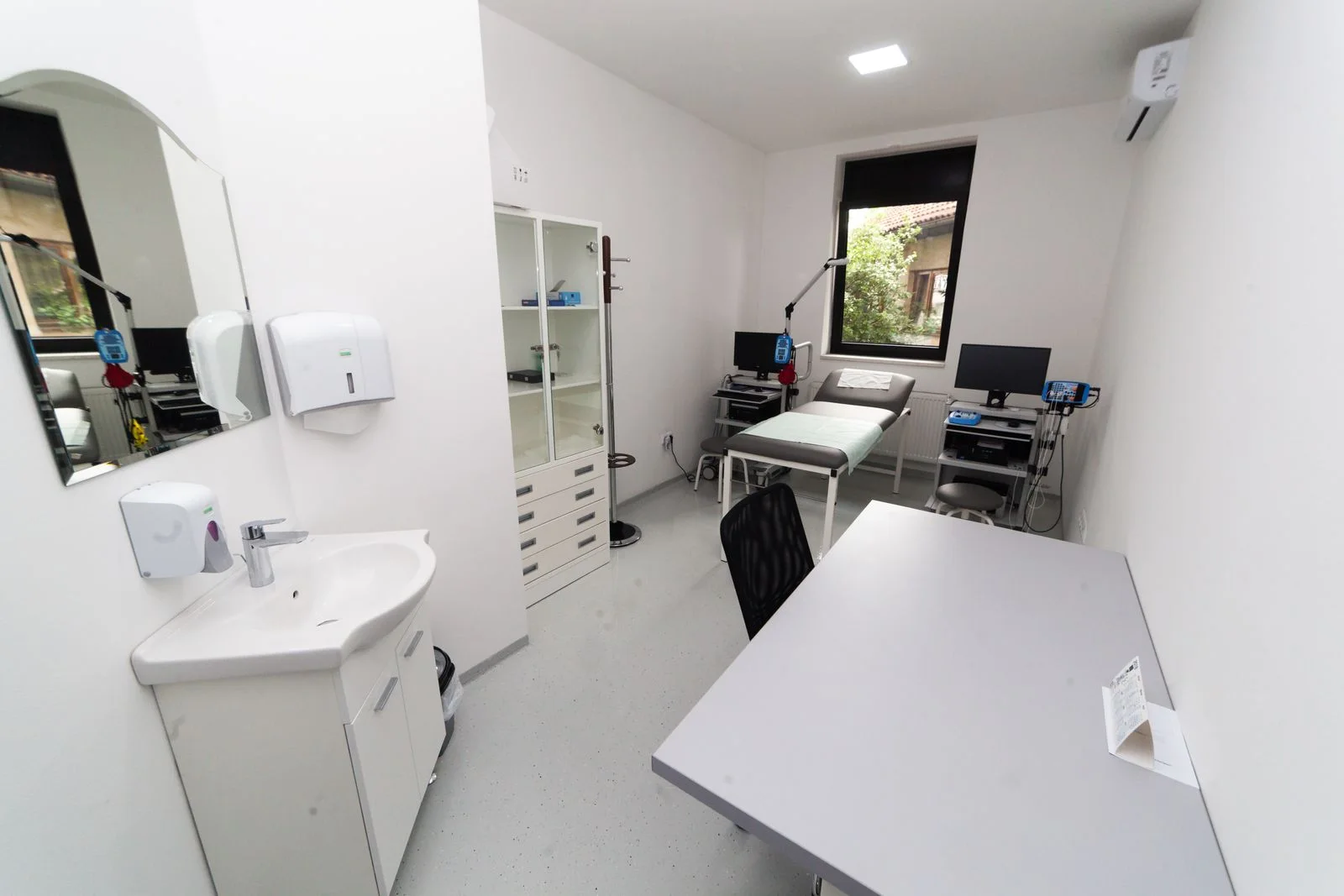
Ask a dozen people what a hair transplant does and most will describe something closer to regrowth in a bottle. It's neither — it's a relocation project, and nearly everything about how it's priced, performed, and recovered from follows from that one mechanical fact. This article covers the medical procedure itself; for a routine haircut or perm during your trip, unrelated to hair restoration, see getting a haircut or perm in Korea instead.
What a hair transplant is: moving follicles, not adding hair
Two extraction methods do the actual work. FUE, or follicular unit extraction, removes individual follicles one at a time without a long linear incision. FUT, or strip extraction, removes a strip of donor scalp and dissects it into individual grafts under magnification. Neither is described here as better — they're different mechanical approaches, and which one a clinic uses depends on the case and the clinic's own technique.
What both share matters more than how they differ: the procedure relocates follicles the patient already has, usually from the back or sides of the scalp, to an area that's thinning. It does not create new hair-producing follicles anywhere on the body. If a consultation describes the goal as regrowing hair from a follicle that's already stopped producing, that's a different conversation than moving existing, active follicles somewhere else.
Candidacy: what determines whether this will work for you
A consultation generally weighs several factors together: the stage of hair loss and how far it's progressed, the density of the donor area, whether hair loss is still actively progressing, the presence of alopecia areata or other inflammatory scalp conditions, and current medications. These are examination topics for the doctor, not a self-diagnosis checklist to work through before booking.
Donor area density is a hard physical limit, not a negotiable number. There's only so much donor hair available on a given scalp, regardless of how many grafts a patient hopes to move — requesting a higher count doesn't create more donor supply. A clinic willing to promise an unusually high graft count without examining the donor area first is worth questioning on that basis alone, before price ever enters the conversation.
How graft count is calculated, and why it's the number your quote is built on
A graft is a single follicular unit — sometimes one hair, sometimes two or three growing together. The surgeon estimates how many are needed based on the area to be covered and the density being aimed for, a number determined at consultation with the donor area physically examined, not from a photo sent in advance.
Graft count, not a flat procedure fee, is typically what the per-unit price in a quote is based on. Ask the clinic to state the estimated graft count range in writing, not just a total price — a total with no graft number attached gives you nothing to compare against a second clinic's quote.
The final count during surgery can differ from the pre-op estimate once the donor area is examined more closely under the day's conditions. Ask specifically how that difference is handled in the quote — whether the price adjusts, and by how much — before you're on the table rather than after.
Shaved vs. non-shaved: what it changes
Full shaving of the donor area, and sometimes the recipient area, is the more common approach, and it affects both how quickly grafts can be harvested and how visible the treated area looks during early recovery. Non-shaved or partial-shave techniques exist for some cases but come with trade-offs in extraction efficiency, and not every clinic offers them.
This is a practical, appearance-related decision worth raising directly with the surgeon before the day of surgery, not something to discover once you're already in the chair. It affects how the weeks immediately afterward look, which matters if you're planning to be back at work, or back home, before the treated area is less noticeable.
Surgery day: how long it takes and what anesthesia is used
This is typically a long single-day procedure — often several hours, depending on the graft count — performed under local anesthesia with the patient awake throughout. A companion or a transport plan is often worth arranging given the length of the day, and it's reasonable to ask the clinic directly what they recommend.
Ask specifically who performs extraction and implantation. The general method for confirming a treating doctor's identity is covered in confirming who actually performs your surgery, but hair transplant clinics carry one detail worth flagging on its own: technicians sometimes perform parts of the procedure — extraction, or graft placement — under a doctor's supervision. Ask specifically what the doctor personally does versus what's delegated, since this varies more by clinic in hair transplant surgery than in most other procedures.
Why aftercare washing and scabbing shape how many days you should stay
The clinic typically teaches a specific washing protocol in the days right after surgery, and scabs at the recipient sites take a period of time to fully shed. That's a stated reason clinics recommend staying in Korea for a number of days beyond the surgery date itself, not just an added inconvenience tacked onto the trip.
Confirm the clinic's specifically recommended stay length rather than assuming a universal day count — this article doesn't assert one, because it isn't the same across clinics or cases. For how that compares against stay lengths for other procedure categories, see how many days to stay in Korea. Forehead swelling in the days afterward is also a normal, temporary pattern worth asking the clinic about in advance rather than being alarmed by if it appears.
What a hair transplant costs in Korea, priced per graft
Quotes here build bottom-up: a per-graft rate multiplied by however many grafts your case needs, not a flat surgical fee. As of July 2026, that per-graft rate commonly sits between ₩2,000 and ₩5,500, and clinics commonly cite case sizes somewhere between 1,500 and 3,500 grafts for typical presentations — multiply the two and a full procedure can land anywhere from roughly ₩3,000,000 to ₩19,000,000, which is exactly why the per-graft rate, not a headline total, is the number worth comparing between two clinics.
Nobody can hand you a graft count, and therefore a total, before the donor area has actually been examined — not this article, and not a clinic quoting from a photo. What you can ask for now is the per-graft rate itself, in writing, along with how the bill changes if the count on surgery day differs from the pre-op estimate. Method and how much of the work is delegated to a technician can shift that per-graft rate too, though graft count is what moves the total the most.
Treat every figure above as a planning range tied to that date, never a fixed total — request a written quote stating the per-graft rate plainly, and ask how long the clinic will honor it before you'd need to reconfirm. Where a specific clinic has published its own declared non-covered prices is HIRA's portal, linked in the sources below.

Recovery: shedding, regrowth, and why timelines aren't universal
Transplanted hair commonly sheds within weeks before regrowing later — a pattern worth asking the treating doctor about for your specific case, not a fixed universal timeline this article is asserting as fact. Hearing about that shed for the first time after it's already happening is a common reason people mistakenly assume the procedure failed.
No guaranteed outcome, growth percentage, or "success rate" figure should be presented to you as a promise, however confidently it's delivered. Recovery and results vary by individual, and what to expect for your specific case is a matter for the treating doctor to discuss, not a statistic to accept at face value from a consultation or a gallery of other patients' photos.
Questions to ask before you agree to a graft count and price
Ask who actually performs extraction and implantation, and what portion, if any, is delegated to technicians under supervision. Ask for the estimated graft count range and what happens if the actual count differs once surgery is underway. Ask whether medical, non-surgical treatment is offered or recommended alongside the transplant, and how that's priced separately rather than folded into one number.
Ask what revision or touch-up conditions apply if density in a given area falls short of what was discussed. Confirm the actual per-graft rate for your case in writing rather than relying on the range above alone — your donor area, not this article, is what sets your real number.
Not asking who's actually performing the work is the question people skip most often with this particular procedure — and it's the one where the answer changes the most from clinic to clinic.
Sources
- Korean Society for Hair Restoration Surgery
- Medical Korea (KHIDI) — official medical tourism portal
- Korea Ministry of Health and Welfare (English)
- HIRA — non-covered (비급여) treatment cost information portal
This article explains how the procedure and its pricing work; it does not assess your candidacy or promise a result. The verification questions here apply just as directly to other surgical procedures, including double eyelid surgery. Once you have your answers in writing, booking a Korean clinic and paying the deposit covers the next step. Reviewed 28 July 2026.