

Hold a swath of coral-red fabric under your chin, then swap it for a cooler blue-red, and watch how the shadows under your eyes change color with it. That comparison, repeated with a dozen or more drapes, is the entire method behind a personal color session — no scanner, no lab, no diagnosis involved.
One-line definition: draping fabric against your face to sort you into a color season
A personal color consultation is a non-medical styling session where an analyst holds swatches of colored fabric — the "drapes" — against your collarbone and jawline under one fixed light source, then compares how each shifts the visible tone of your skin, eyes, and hair. Based on which drapes read as most flattering, you're sorted into a color season, most commonly spring, summer, autumn, or winter, often split further into warm and cool sub-types.
This is a side-by-side visual comparison, not a device reading or a lab test. Nothing about the process measures skin condition — it measures how colors interact with your natural coloring under one specific lighting setup, a narrower and different question than whether your skin itself is healthy.
Why people book this: it's a shopping shortcut, not a skin diagnosis
Most visitors book a personal color session before a shopping trip, not instead of a dermatology visit. A confirmed season narrows an overwhelming wall of lipstick and blazer shades down to a manageable shortlist, which is the actual value being purchased — faster decisions at the counter, not a verdict on your skin's health.
It's easy to confuse this with the free skin-condition scans offered inside beauty stores, since both happen in a consultation-style room and both end with a printed result. The two measure entirely different things: a free skin analysis reads moisture, oil, and pigmentation against a device's reference range, while a personal color session reads only how fabric colors interact with your coloring. Neither substitutes for the other.
How a session actually runs, step by step
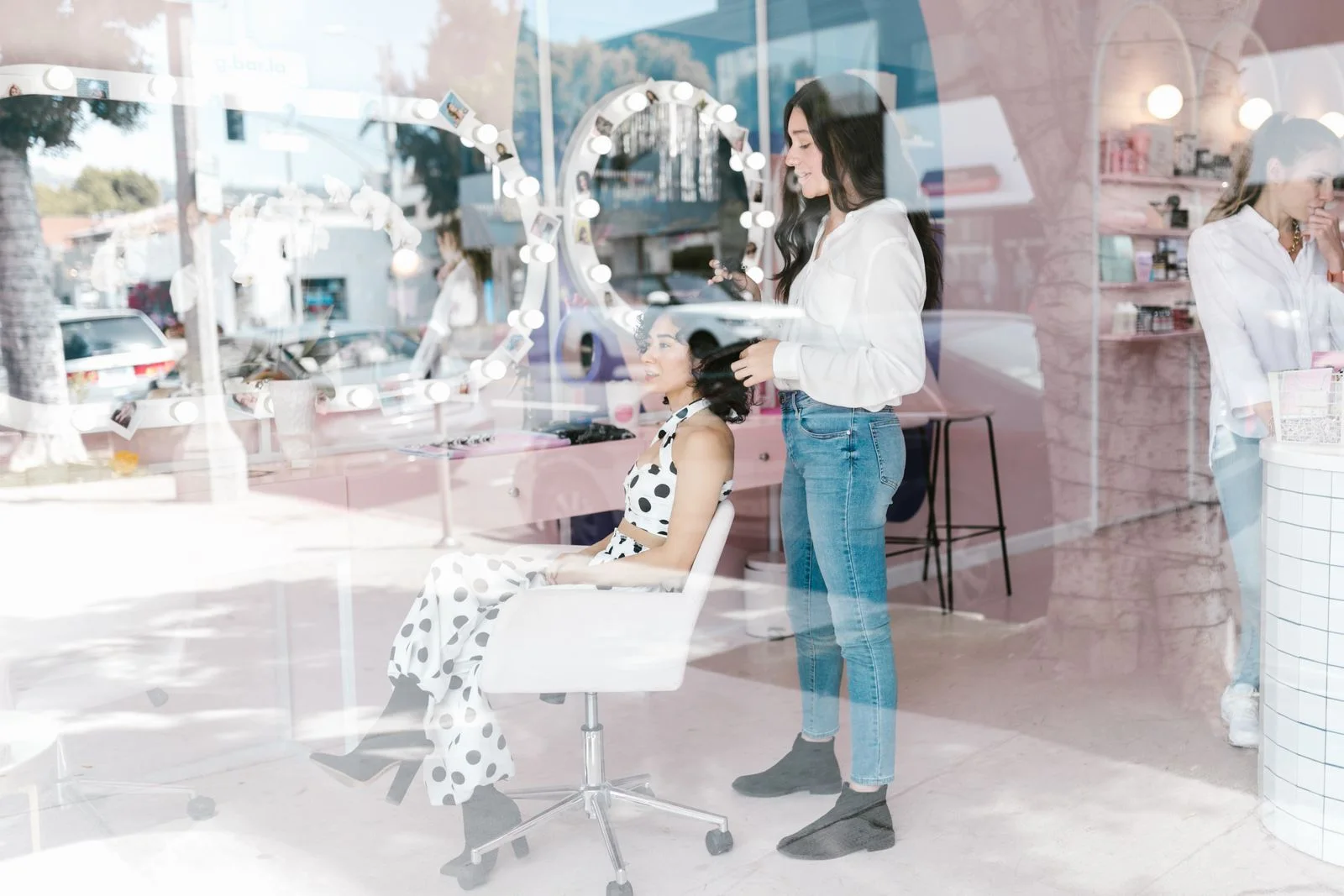
Arrive with a bare or nearly bare face and your hair pulled back and away from your jawline — foundation, colored lip product, and loose hair all distort what the drapes are being compared against, so most studios ask for this before starting. The room itself runs on one consistent, controlled light source, since daylight through a window would change the outcome the same way makeup does.
The analyst then works through a sequence of drapes, holding each one at your collarbone and comparing how your skin, eye whites, and under-eye shadows shift in response. Some studios narrow this down through elimination rounds — broad color families first, then finer distinctions within whichever family reads best on you. A session ends with a written or printed result and, at most studios, a take-home palette card listing recommended shades across makeup and clothing.
Session length and 1:1 vs. group pricing
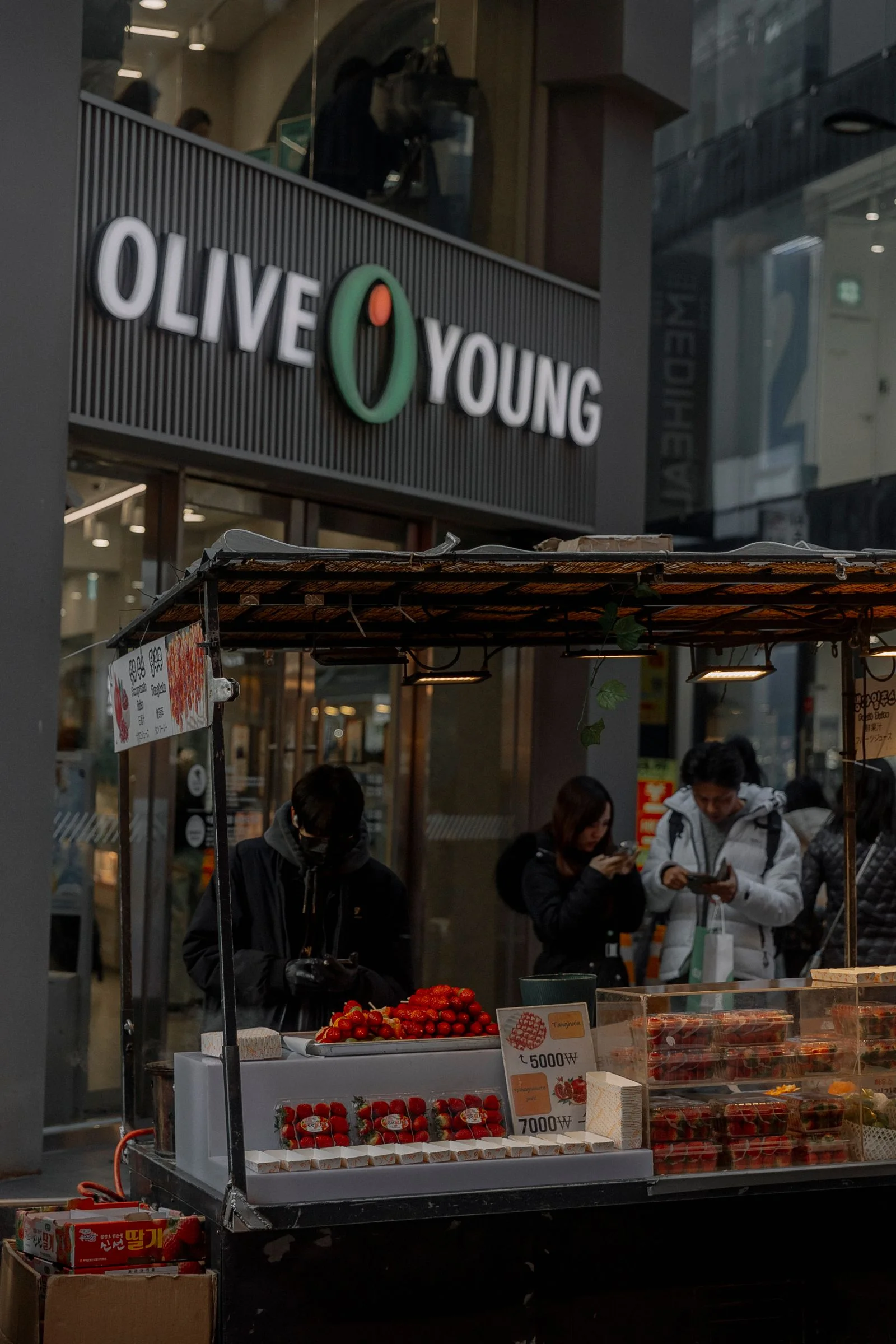
A standard 1:1 session commonly runs 30 to 60 minutes, though the exact timing is worth confirming at the specific studio since it varies with how many drapes are used and how the studio structures its process. As of July 2026, a 1:1 session in Seoul typically falls somewhere around ₩70,000 to ₩150,000, and group sessions run lower per person, often ₩40,000 to ₩70,000, since one analyst's time and attention is being split across several people rather than focused on one.
That per-person savings on a group booking comes with a real tradeoff: less individual time in front of the analyst, and less room to ask follow-up questions about specific pieces already sitting in your closet. If a genuinely tailored read matters more to you than the price gap, a 1:1 slot is the more direct route to it.
There is a lower-commitment way to find out whether any of this interests you. Beauty Play in Hongdae is a public beauty experience space inside the Korea Cosmetic Industry Institute, set up with Ministry of Health and Welfare support, and its personal color and skin readings are done by machine in roughly five minutes rather than by an analyst working through drapes. It sits at Sangsu Station Exit 1, about a 460-metre walk, and opens Monday to Saturday from 10:00 to 19:00 — closed Sundays, which catches out people who save it for the last day of a weekend trip. Check the official listing for current admission terms and whether the reading needs a reservation. Treat the result as a starting point, not a substitute for a draped session: a camera reading your face under one device's lighting is answering a narrower question than an analyst holding twenty fabrics against your collarbone.
Booking a studio: wait times, Kakao channels, and confirming English support
Popular studios, especially ones with a strong reputation among visitors, can book out days to weeks ahead, and weekend slots go first. Booking often runs primarily through a KakaoTalk channel rather than a standalone English-language reservation site, so having the app installed before your trip saves a step once you're trying to lock in a time.
Message the studio directly to ask whether an English-speaking analyst is available for the slot you want, rather than assuming an English Instagram account means English-language service on every shift. Confirming this in writing before you commit avoids the awkward version of the problem — arriving on time with no shared language to work through the actual consultation.
Why two studios can give you two different seasons
The same face can walk out "spring warm" from one studio and "summer cool" from another, and that isn't a sign either studio got it wrong. Three things shift the outcome studio to studio: the specific lighting setup in the room, since even small differences in color temperature change how a drape reads; the studio's own set of drapes, which isn't standardized across the industry the way a measuring tape is; and the analyst's own judgment on a borderline case, where two trained eyes can reasonably land on different calls.
None of this makes the method meaningless — it makes it a professional opinion formed under one specific set of conditions, not a fixed fact about you the way a blood type is. If a result matters enough to want confirmation, book a second session at a different studio and treat agreement between the two as the stronger signal, not either result on its own.
First time? What to wear, and why hair color and contacts skew results
Recently dyed hair changes the contrast the drapes are being judged against, so a result taken two days after a fresh dye job may not hold once that color grows out or fades. Colored contacts shift how your eye color reads in the same comparison, and a noticeably fresh suntan changes your base skin tone enough to matter too. Studios commonly ask about all three before starting for exactly this reason.
If any of these apply to you, mention it before the session starts rather than after seeing the result — a good analyst can factor it into how they read the outcome, but only if they know going in.
The misconception: this isn't a medical or skin-improvement service
A personal color result is a styling suggestion tied to one lighting setup and one analyst's judgment, not a guarantee that every color on the palette card will work in every outfit or occasion. It also isn't, and doesn't claim to be, a skin diagnosis, a treatment recommendation, or any kind of medical assessment — nothing about the process touches skin condition, texture, or health.
If a session ends with a hard push toward a specific lipstick purchase or a paid follow-up styling package, that's a sales moment layered onto the appointment, not a required next step. The printed palette itself is the actual deliverable you paid for, and walking out with just that in hand is a complete, normal outcome.