

Plan at a glance
| Planning point | What it means |
|---|---|
| Main goal | Use the guide to make a specific, informed plan for South Korea Travel Guide (2026) rather than relying on a headline or a single review. |
| Best used when | Read it while comparing dates, locations, inclusions and alternatives; return to the checklist immediately before you commit. |
| Time to allow | Allow time to compare options, ask follow-up questions and change the plan if an important detail cannot be confirmed. |
| Verify before acting | Recheck current availability, eligibility, opening or appointment rules, total price and cancellation terms with the responsible provider or official source. |
| Keep for your records | Save the final quotation or receipt, reservation conditions, address, contact channel and any preparation or follow-up instructions. |
What this guide helps you decide
The useful question is not simply whether South Korea Travel Guide (2026) is popular. It is whether it fits your purpose, timing, budget, comfort level and the rest of your Korea schedule. Use the explanation below as a decision framework, then confirm details that can change.
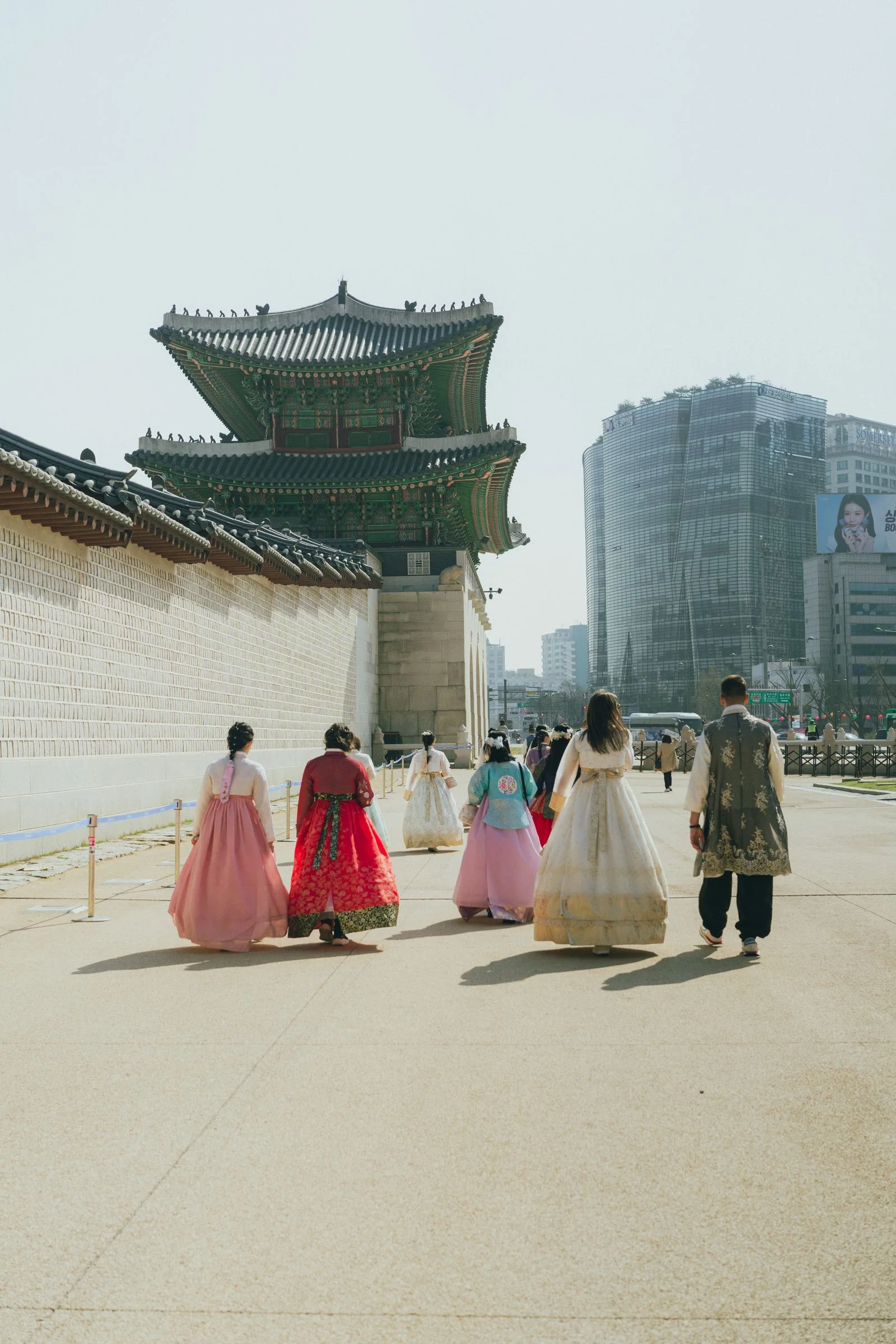
A practical, up-to-date master guide for first-time visitors to South Korea — entry, transport, itineraries, food, and budget. Seven to ten days suits most first-time visitors. Seven days covers Seoul and Busan comfortably; ten days adds Jeju Island. A shorter five to six-day trip works if you stay mainly around Seoul. Spring (March to May) and autumn (September to November) are best, with mild, dry weather. Spring brings cherry blossoms; autumn brings fall foliage. Summer is hot and humid; winter is cold but good for snow and festivals.
What visitors usually need to know
The existing answers below are the factual starting point for this page. Treat them as a shortlist of issues to verify, not as a substitute for the provider's current information.
How many days do I need to visit South Korea?
Seven to ten days suits most first-time visitors. Seven days covers Seoul and Busan comfortably; ten days adds Jeju Island. A shorter five to six-day trip works if you stay mainly around Seoul.
What is the best time of year to visit South Korea?
Spring (March to May) and autumn (September to November) are best, with mild, dry weather. Spring brings cherry blossoms; autumn brings fall foliage. Summer is hot and humid; winter is cold but good for snow and festivals.
Questions to ask before you decide
Clear answers make options easier to compare. Ask in writing when the answer affects price, timing, consent, accessibility or what happens after the visit.
- How many days do I need to visit South Korea?
- What is the best time of year to visit South Korea?
- Is cash or card better in South Korea?
Budget, booking and written terms

For an attraction, meal, activity or transport booking, compare the official price with the date, time, entrance, seat or route, included items and age or participation conditions. Free places still require a check for closed days, timed entry or local restrictions.
If prepayment is required, confirm the operator, exact date and product, cancellation deadline, weather or delay policy and refund route. Keep the ticket or QR code available offline and never assume a reseller's conditions match the official provider.
Common mistakes and warning signs
Pause and verify again if any of these appear:
- Pressure to pay before the service, provider or schedule is clearly identified.
- A guarantee of a result that depends on weather, availability, personal response or professional assessment.
- A quotation that omits inclusions, exclusions, deposit deduction, remaining balance or cancellation terms.
- Important instructions given only verbally, with no message, receipt or document to keep.
- Information that conflicts across the official page, booking message and on-site explanation.
Fit it into a real Korea itinerary
Keep the day of arrival and the day of the booking realistic. Add transfer time, queues, meals, rest and a weather or delay alternative. Avoid placing several time-sensitive reservations back to back in different parts of the city.
Group nearby stops, protect meal and transfer time, and keep one weather or fatigue alternative. A shorter route completed comfortably is more useful than an itinerary that depends on every connection being perfect.
Sources, scope and update policy
This page is an editorial planning guide built from the KMediBook research vault and the official sources below. It does not reproduce a provider's live inventory, price list or policy. Those details must be checked again before travel or payment.
Editorial review date: 13 July 2026. Changeable facts should be rechecked before use.